
Email: [email protected]
Email: [email protected]

Most people visualize sunny summer weather when they think about traveling to Whidbey Island. Wintertime serves as the most enchanting period for visitors to discover Whidbey Island, according to local residents. Whidbey Island storm watching provides an enjoyable experience for people who appreciate powerful ocean waves and dramatic atmospheric conditions.
Whidbey Island displays its best beauty during the winter season, which falls between October and March, according to travel experts. The beach environment provides visitors with an experience that combines peaceful nature walking and active participation in beach sports activities through the mist that covers the area and the sound of powerful ocean waves. Many visitors to Whidbey Island during the winter season focus on experiencing nature in its most untouched form, which is beautiful and peaceful.
The outer Pacific Coast presents danger through extreme storms and enormous ocean waves. The island provides visitors with a peaceful yet exciting experience of its coastal beauty. Visitors who seek excitement can experience powerful storms that approach the island from their base in the Puget Sound.
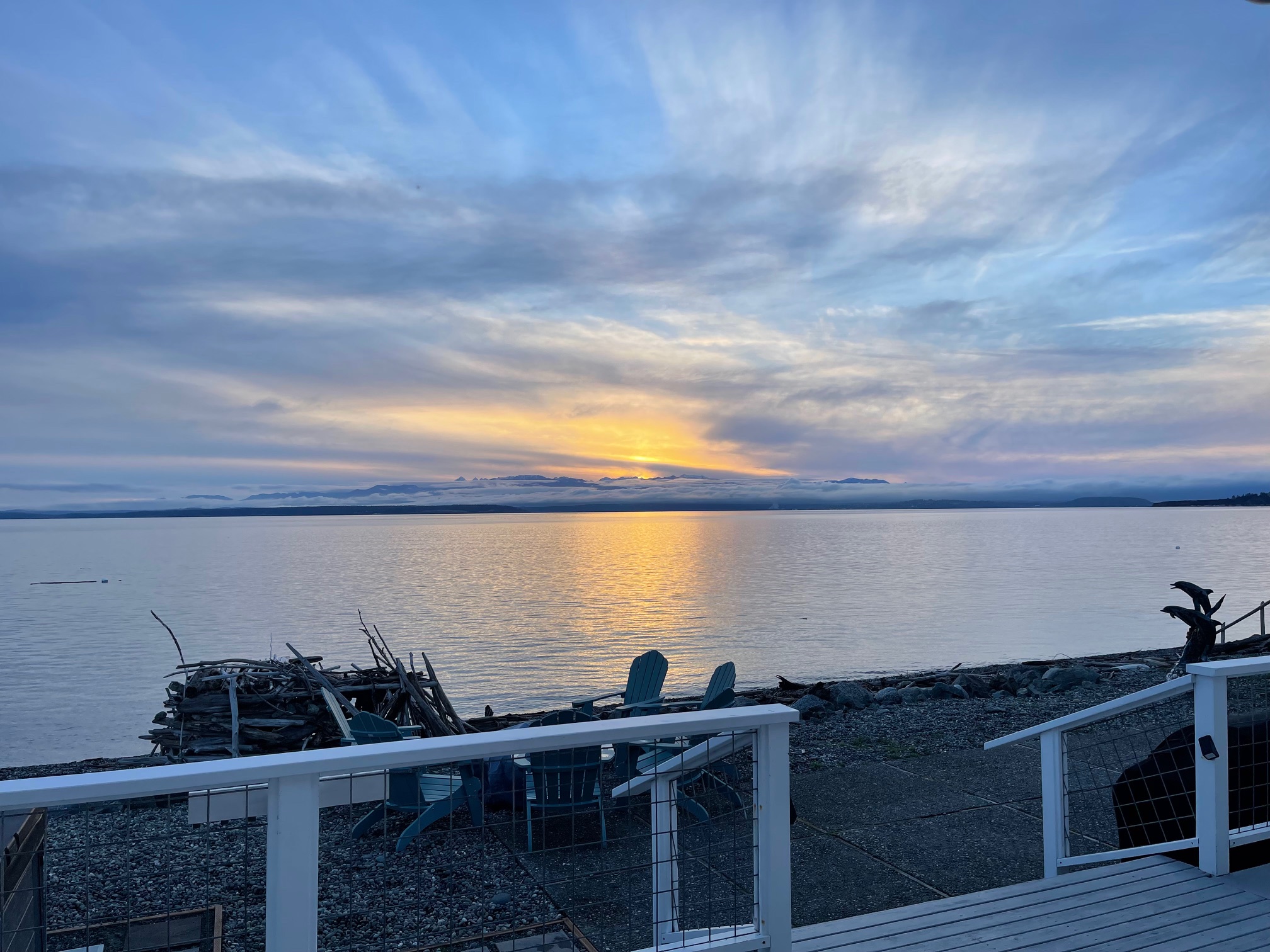
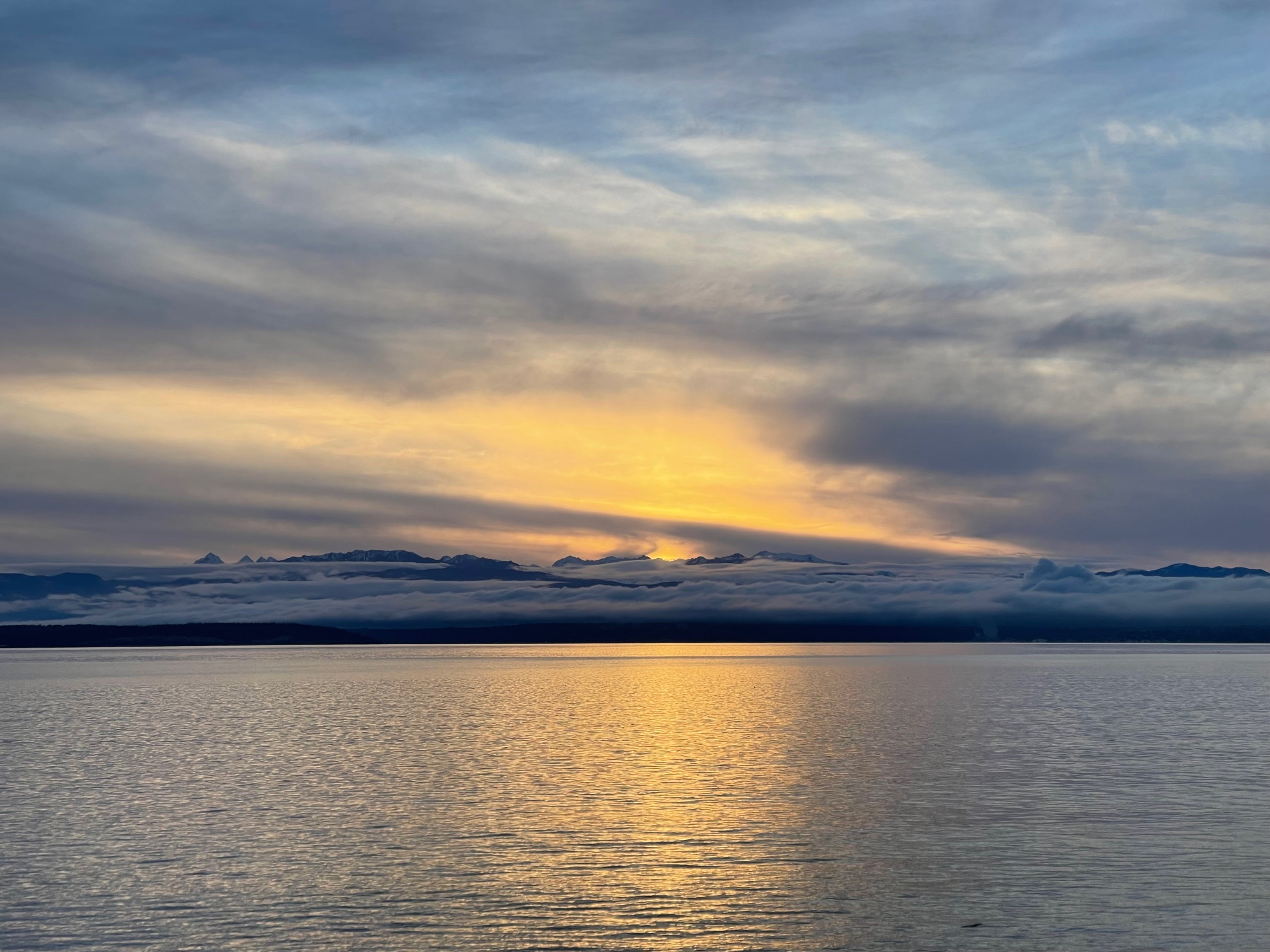
The region experiences weather systems that bring strong coastal winds, choppy gray waters, moving cloud layers, occasional rain showers, and beautiful breaks of sunlight between storms. The island contains multiple viewpoints that allow visitors to find secure locations for observing weather patterns.
People who visit storm-watching areas in this location appreciate the experience because it provides warm and comfortable surroundings. The small town café, the waterfront inn, and the cabin with a view provide comfortable spaces for heating up after spending time outside.
Storm season usually runs from late fall through early spring. November through February brings the period with the most extreme weather changes.
The period from December to January experiences its highest wind speeds and most unpredictable weather patterns.
Late February and early March offer better weather conditions for you because they have less rain compared to your preferred time.
The Whidbey Island winter travel days bring exceptional tranquility during weekdays. The summer tourist departure has resulted in beaches becoming less crowded and parking spaces becoming more accessible, and the entire area developing a more peaceful environment.
Whidbey Island has many shoreline viewpoints, but some areas stand out for winter scenery and easy access.
The area around Deception Pass presents itself as the most visually striking location throughout the entire island. The narrow pass experiences strong tidal currents, which create swirling water effects during stormy weather.
The visitors use the bridge to reach viewpoint locations while they also investigate the shoreline paths that lead from the bridge. You should watch out for wind conditions because the area experiences strong gusts.
The western coast of the island shows more unrestricted ocean access, which results in larger waves and more intense storm activity that can be observed. These areas are popular for photographers and nature lovers during winter.
Visitors who appreciate unspoiled coastal areas can experience storm watching by exploring the Hidden beaches of Whidbey. People flock to these secret spots because they become peaceful during the winter months.
Visitors to Fort Casey State Park can observe weather patterns as they progress across Admiralty Inlet from their location near the park. People can see the changing skies and choppy water because the open shoreline area provides them with wide views.
On clearer winter days, you may even spot passing ships or distant mountain views between storm clouds.
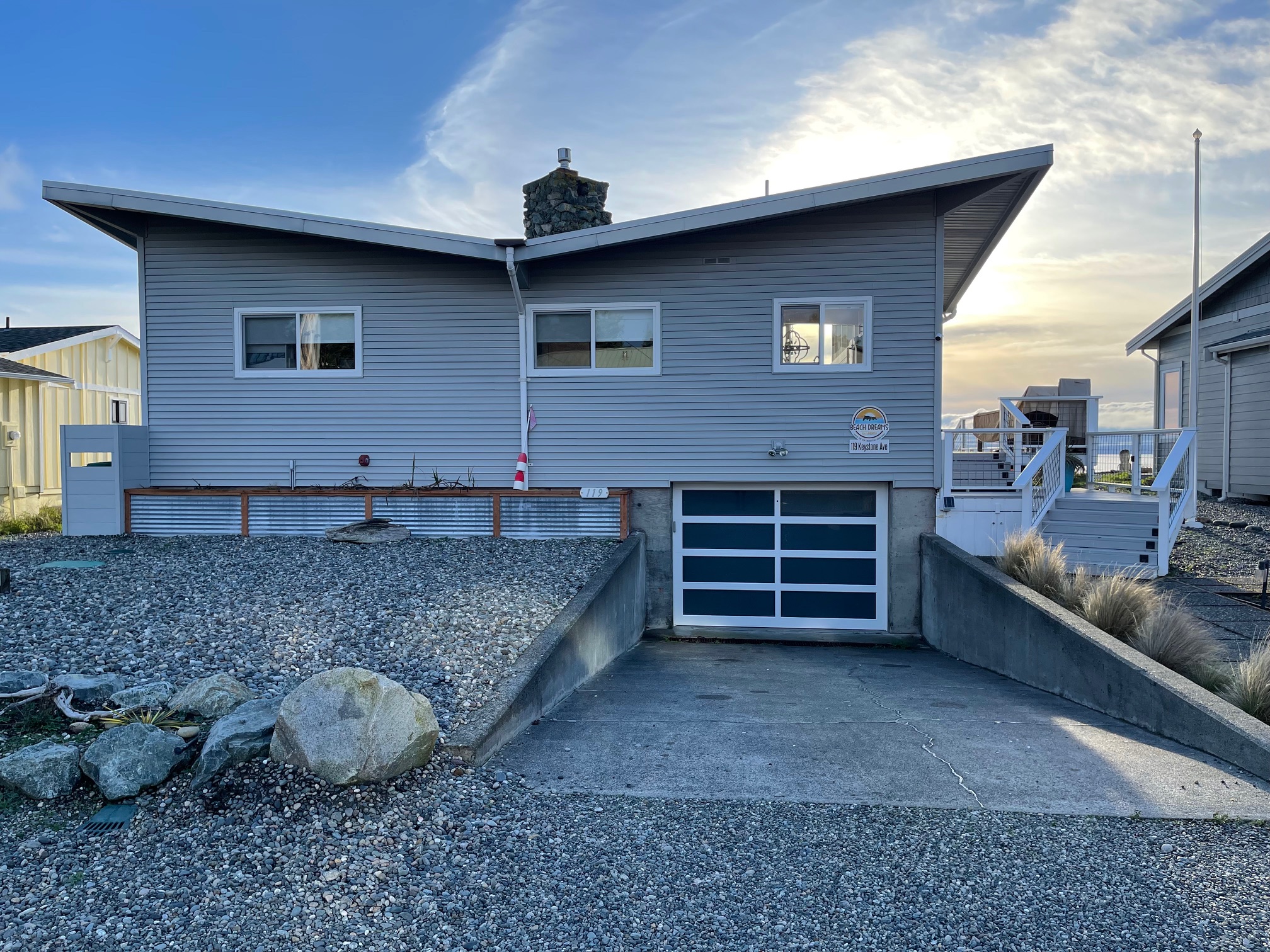
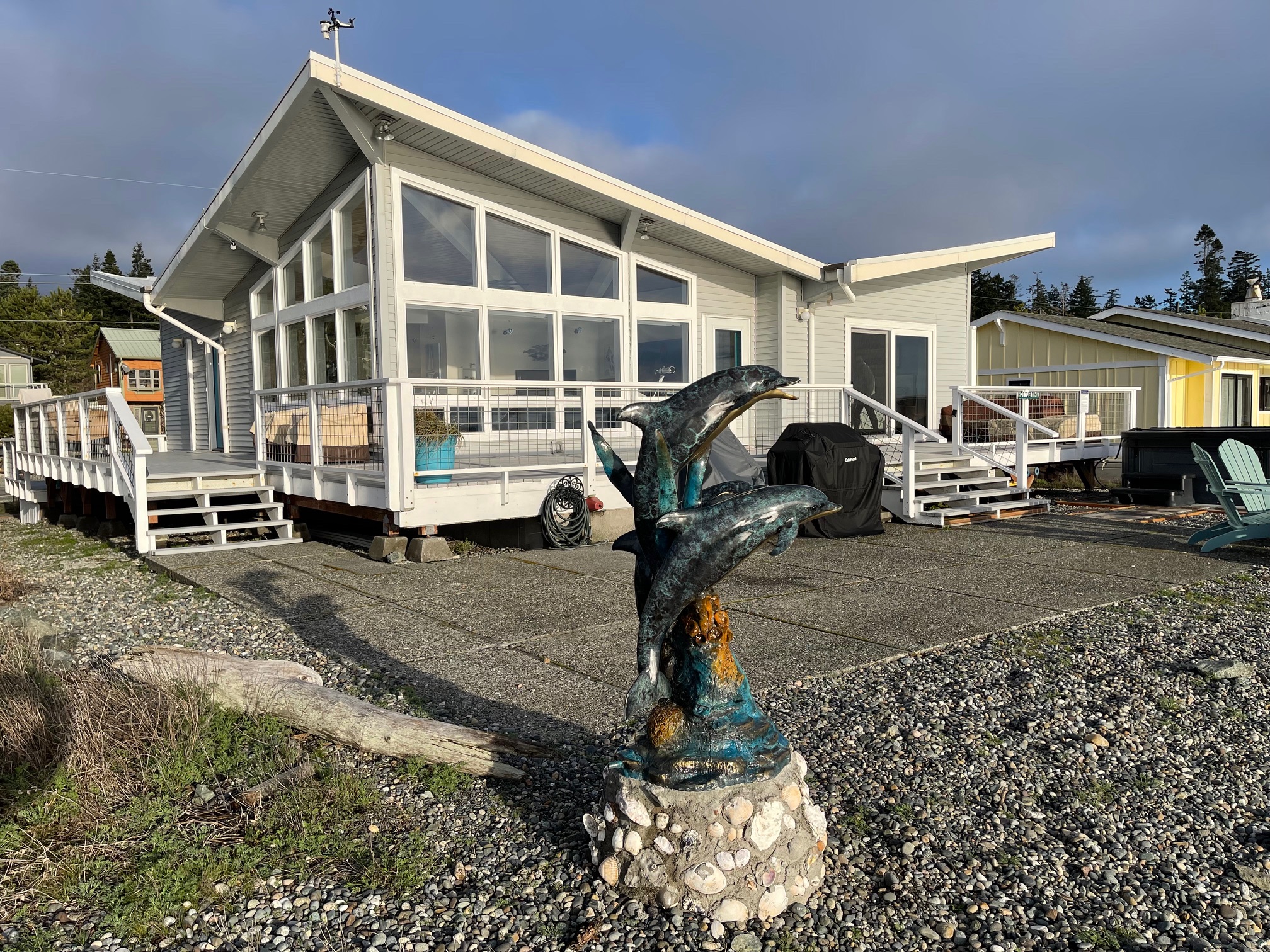
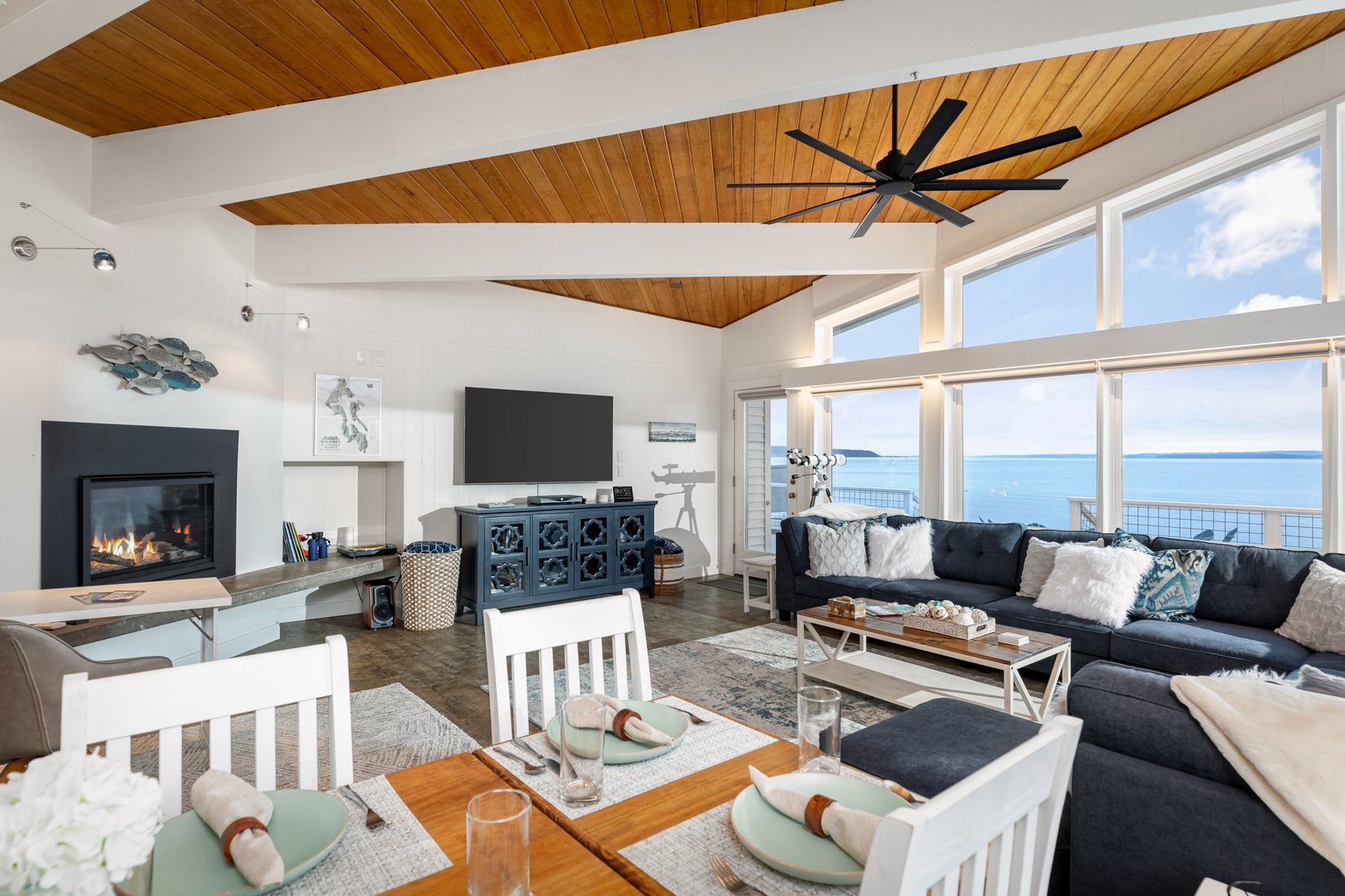
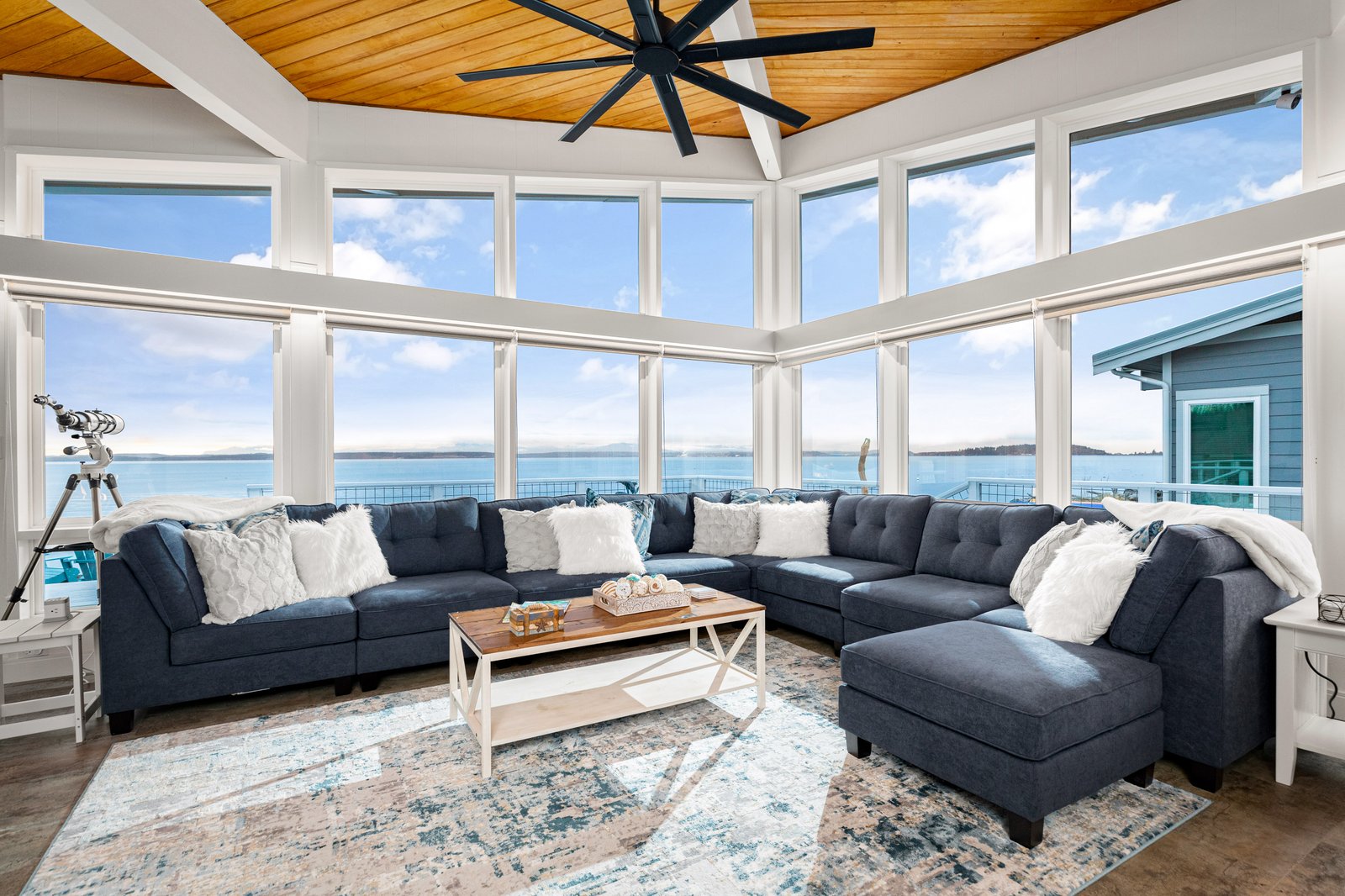
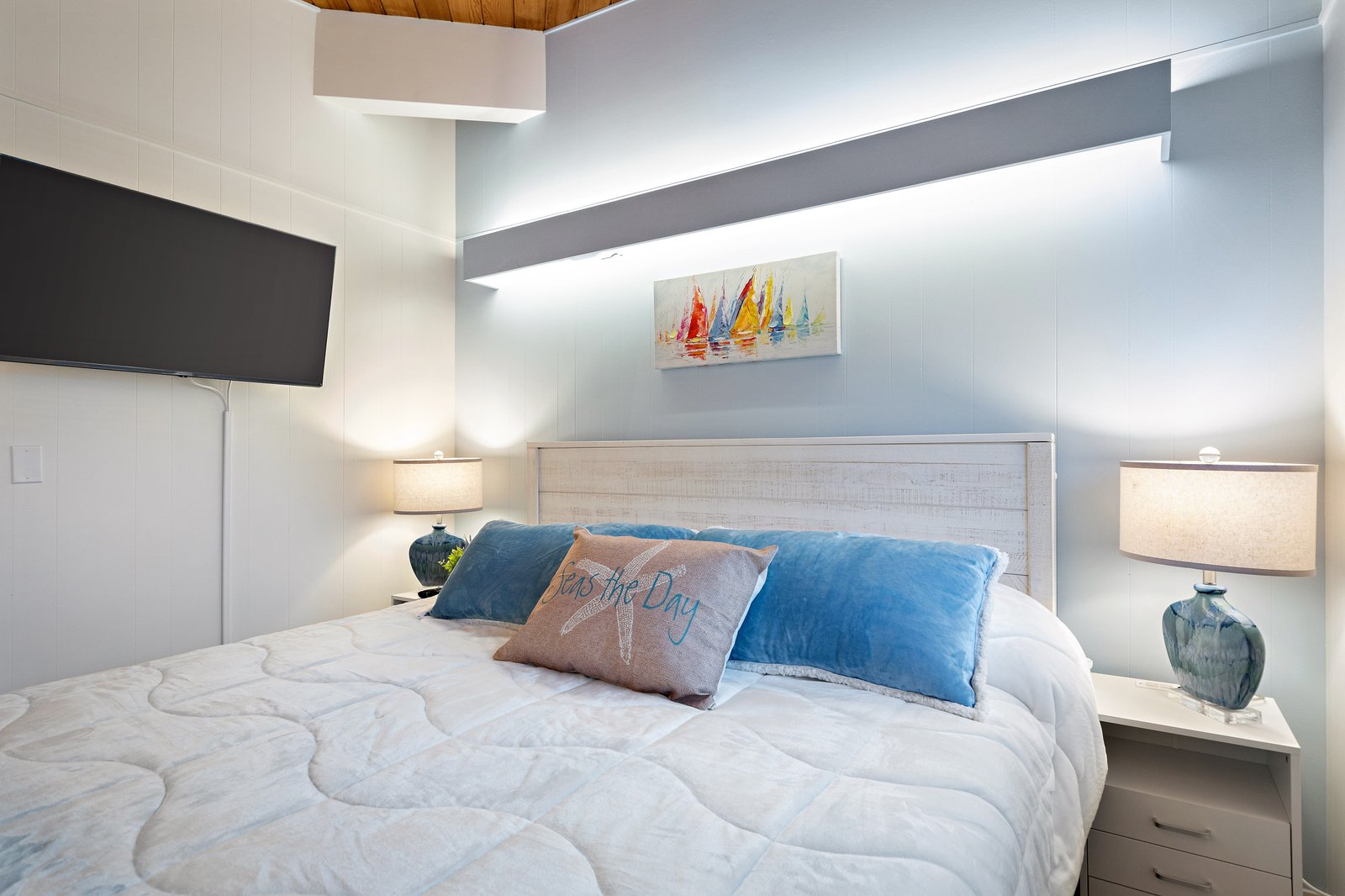
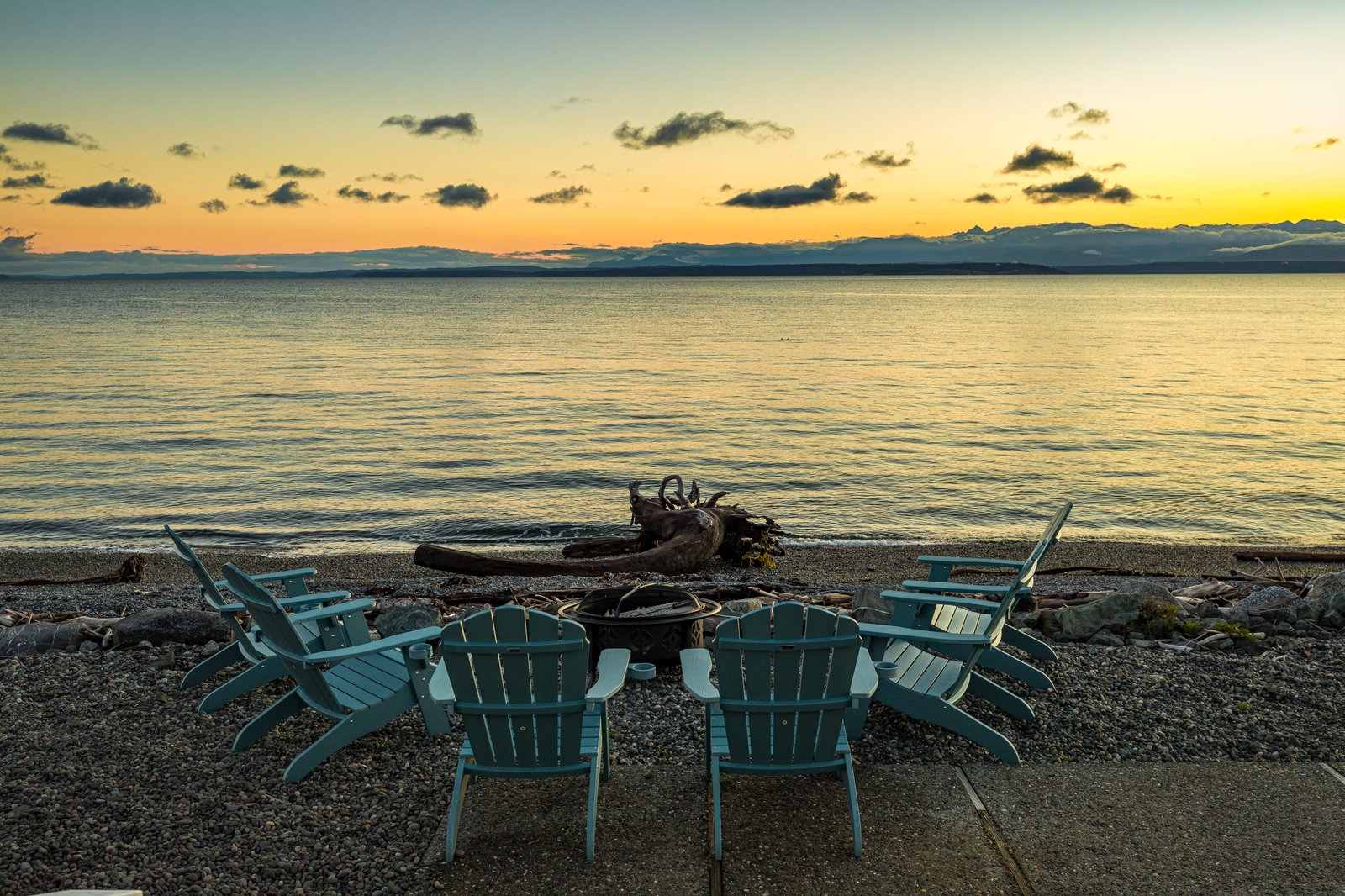
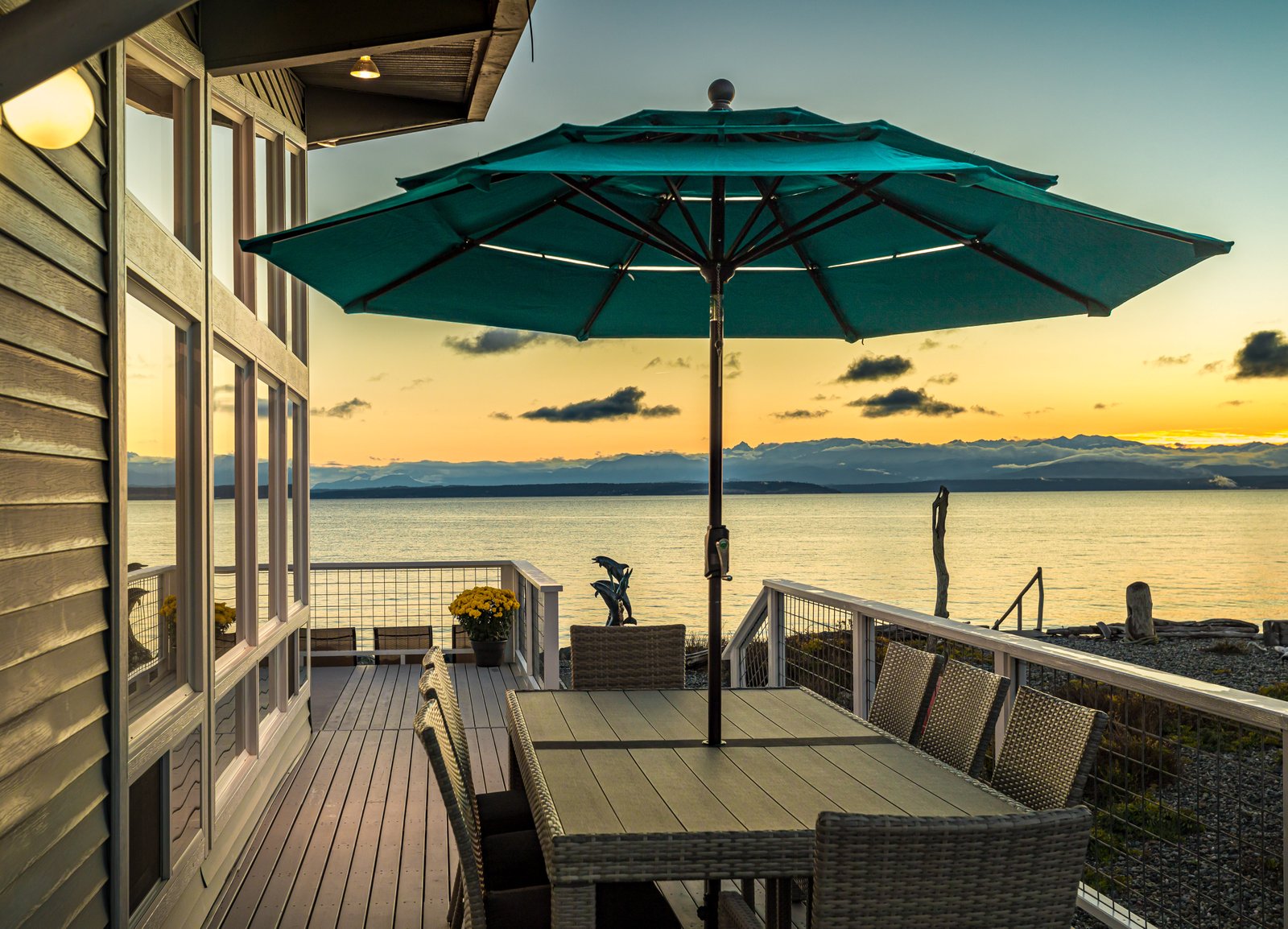
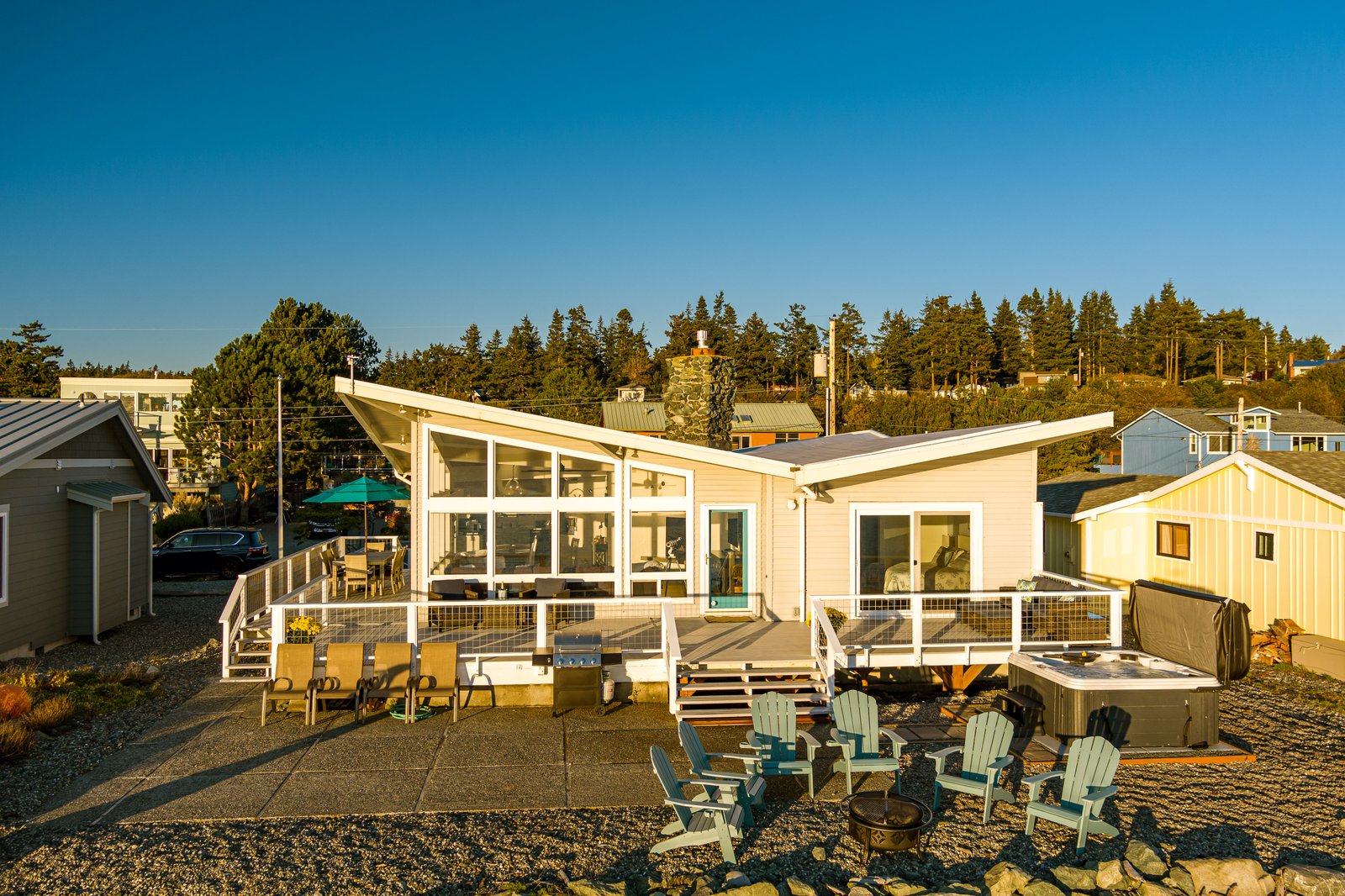
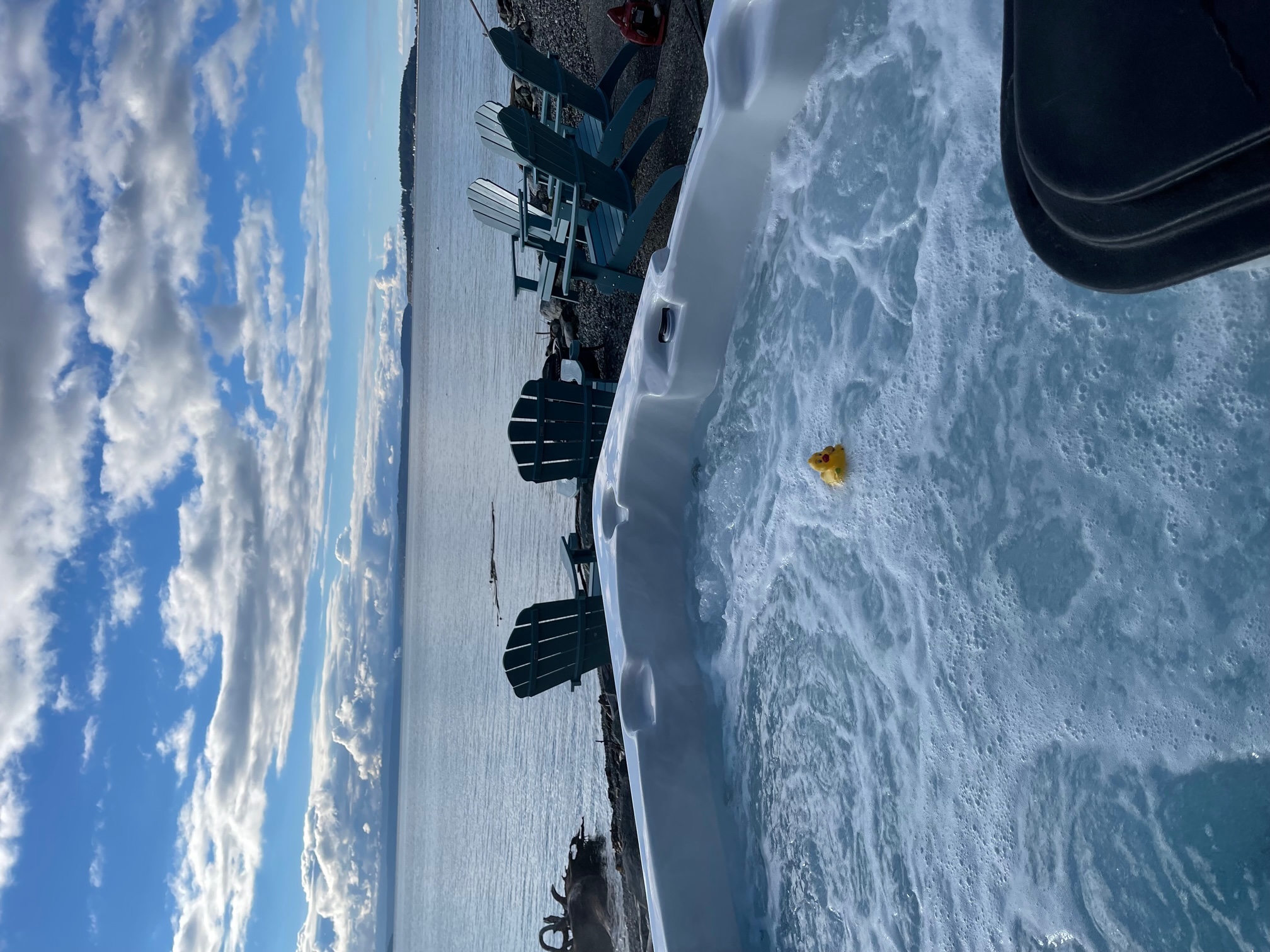
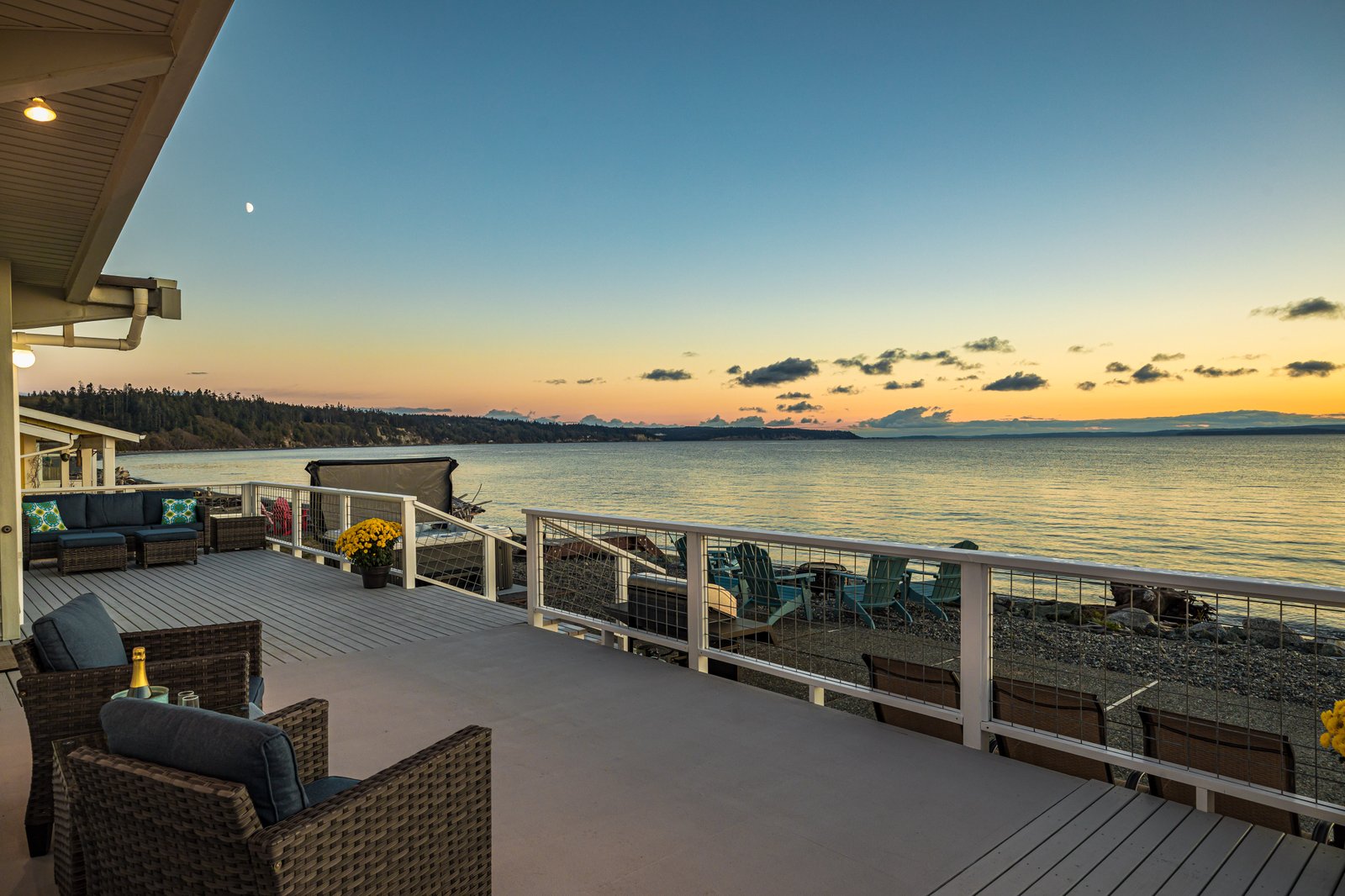
Wake up to panoramic ocean views, unwind in a private hot tub, and create memories that last a lifetime at our luxury beachfront retreat.
Winter weather on Whidbey is usually cool and damp rather than freezing. Dressing in layers makes the experience much more comfortable.
Bring a waterproof jacket, a warm sweater, and shoes that can handle wet ground. Wind can make the air feel colder near the shoreline, so a hat and gloves are helpful on breezy days.
Many visitors also like bringing simple comforts such as a thermos of hot tea or coffee. Storm watching is often about slow moments like standing by the water, listening to the wind, and enjoying the changing sky.
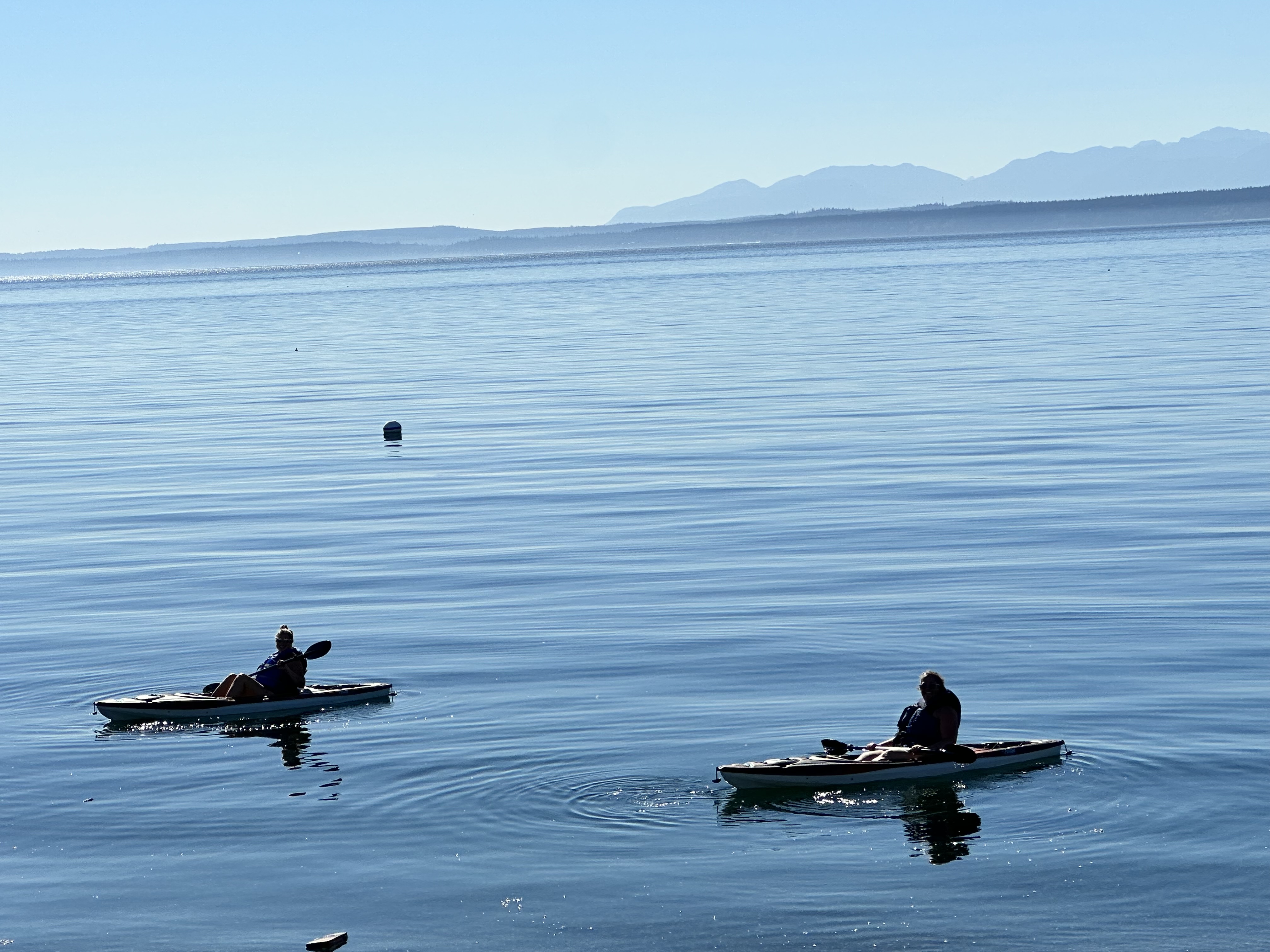
Wildlife viewing opportunities during winter extend beyond its stormy weather periods. The active waters throughout the year show that Whidbey Island visitors who wait can see seals, seabirds, and whales.
Plan your time for Whale watching on Whidbey Island because the weather conditions become calm between storm systems. The winter season provides special experiences through its quiet times, which bring visitors to the area.
The island's shorelines and state parks provide excellent birdwatching opportunities, which exist throughout winter even when whales are absent.
The most enjoyable aspect of storm watching occurs after the storm ends. The winter season brings a comfortable experience to visitors because Whidbey Island offers multiple small-town amenities.
Visitors enjoy:
• Relaxing at waterfront cafés
• Shopping at small local shops
• Going to art galleries
• Watching ferries cross the sound
• Stopping for breaks at cabins and inns
The towns of Coupeville and Langley maintain their picturesque appearance throughout the year, which creates an ideal setting for people who want to spend quiet winter afternoons.
The winter off-season brings you two advantages, which create a quieter atmosphere and increase your options to find accommodations.
The observation of storms on Whidbey Island maintains a safe status, but people still need to follow their essential safety procedures. People should keep their distance from slippery rocks, and they should stay away from hazardous ocean waves that arise during strong winds.
People should check local weather forecasts before they leave their homes when wind alerts have been issued for their area. Active weather conditions create sudden changes that affect the availability of parking areas and trails because they usually remain open to the public. Your experience requires you to maintain your desired pace of activities. People visit this location to practice storm watching, which serves as a tranquil way to accomplish personal reflection.
The island receives its most dramatic seasonal atmosphere during winter, which occurs after summer brings its sunshine. The island presents visitors with a more peaceful yet dramatic experience during stormy weather. Winter represents the ideal time for travelers who want to experience moody coastal views while enjoying quiet spaces.
The Whidbey Island storm watching experience provides visitors with basic delights, which include observing tree movements and hearing ocean waves while they drink hot beverages. The simple trip provides visitors with an easy experience that they will remember throughout their lives.
Yes. The winter travel season to Whidbey Island provides visitors with an enjoyable experience because they can explore peaceful beaches and experience strong atmospheric conditions while avoiding busy areas. The island possesses a peaceful and comfortable atmosphere that lasts throughout the winter season.
The Deception Pass area, West Beach, and Fort Casey State Park serve as popular destinations. The locations provide extensive water viewing areas, which serve as secure observation points for watching weather changes.
You should wear multiple warm clothing layers while bringing a waterproof jacket. People need comfortable waterproof footwear along with a hat and gloves because these items become essential during windy conditions close to the beach.
The peaceful winter getaway that you need exists on Whidbey Island, where storm watching provides an unspoiled coastal experience that is two bigger winter destinations. The island provides visitors with multiple ways to experience nature through its scenic viewpoints, peaceful beaches, and its friendly small towns.
The Hidden beaches of Whidbey, together with Whalewatching activities on Whidbey, will complete your winter vacation experience. The most memorable travel experiences occur when people visit the Pacific Northwest winter landscapes under gray skies while wearing warm clothing.

Whidbey Island for Remote Workers: How to Plan a Productive Coastal Stay

Seattle to Whidbey Island: How to Plan an Easy Coastal Escape

Common Vacation Rental Booking Mistakes and How to Avoid Them

How to Choose the Best Beachfront Rental for Your Travel Style

What Makes a Beachfront Vacation Feel More Relaxing Than a City Break?
Planning a Birthday Getaway on Whidbey Island






.png)


.png)


.png)


.png)


.png)


.png)


