
Email: [email protected]
Email: [email protected]
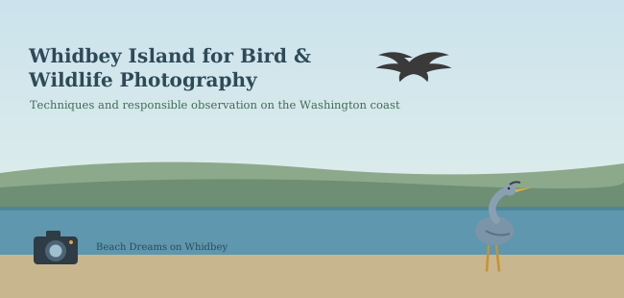
Few places reward a patient photographer like this stretch of the Salish Sea.
For wildlife photography, Whidbey Island is a quiet gem, with eagles, herons, and seals along nearly every shoreline. The light, the tides, and the seasons all give you something new to shoot.
This guide is about technique and respect, not just a list of birds. You will learn where to go, what gear to pack, and how to capture wildlife without disturbing it. A beachfront base makes early starts easy, so your stay can begin at first light.
Great wildlife photos start with knowing where animals gather. Whidbey's mix of beaches, bluffs, and wetlands draws a huge variety of species.
Near Coupeville, Crockett Lake and Fort Casey are superb for shorebirds and raptors. Penn Cove hosts great blue herons and harbor seals, while Ebey's Landing is a reliable spot for eagles and migrating birds.
In spring, gray whales feed in the waters near Whidbey, and the bluffs make a fine vantage point. Knowing each habitat helps you plan a shoot instead of leaving it to luck.
A few signature subjects are worth chasing:
· Bald eagles, often perched along the bluffs and shoreline.
· Great blue herons, patient and photogenic in the shallows of Penn Cove.
· Harbor seals, hauled out on quiet beaches and rocks.
· Shorebirds and waterfowl, busiest around Crockett Lake at low tide.
Wild animals rarely let you get close, so reach is everything. For bird photography, Whidbey Island trips reward a long lens and a steady hand.
A telephoto lens of 400mm or more is ideal, paired with a fast shutter speed to freeze motion. A monopod or beanbag steadies those long shots without slowing you down.
Pack for the weather too. A simple rain cover protects your camera in Pacific Northwest drizzle, and spare batteries matter because cold air drains them fast.
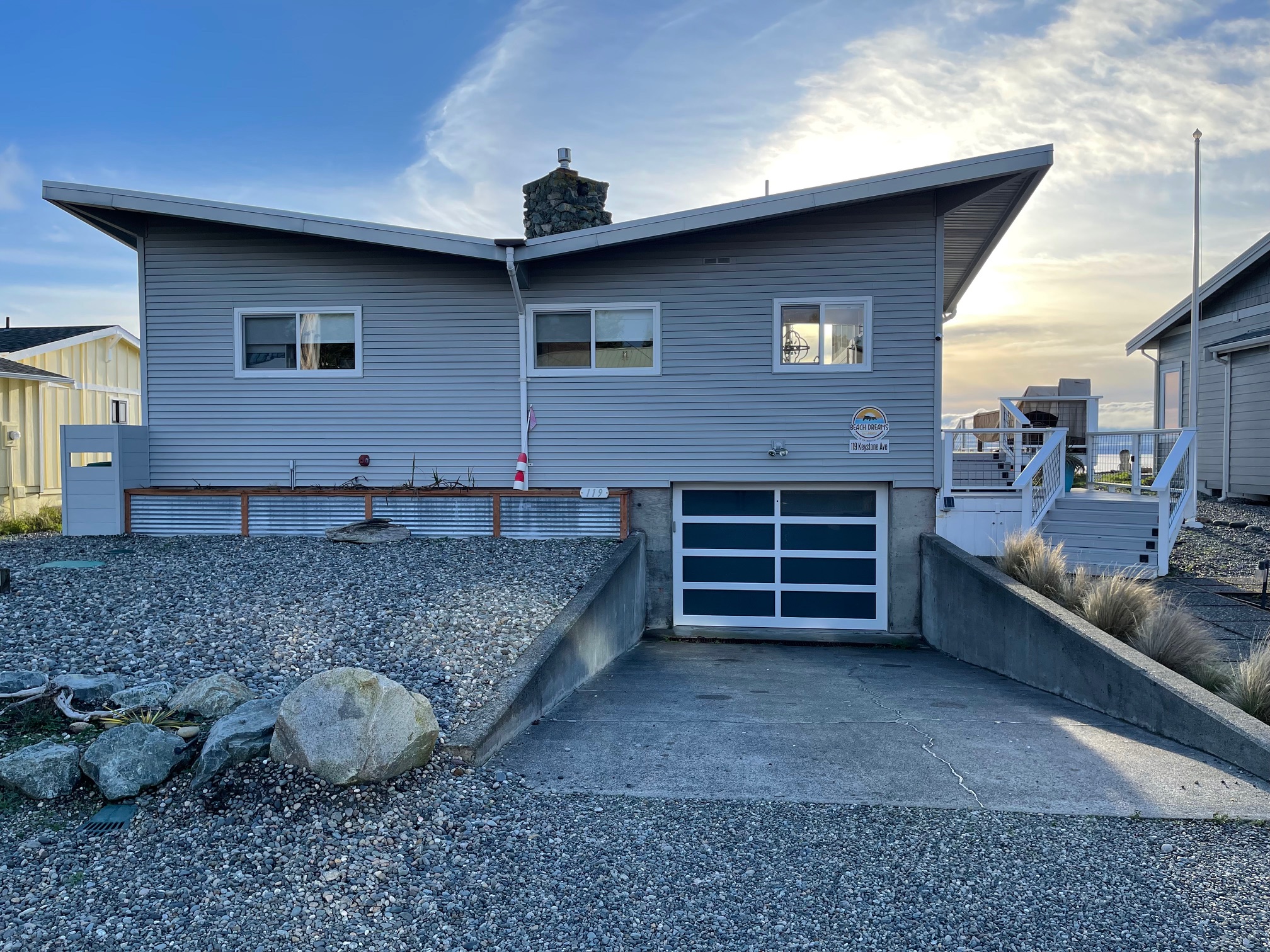
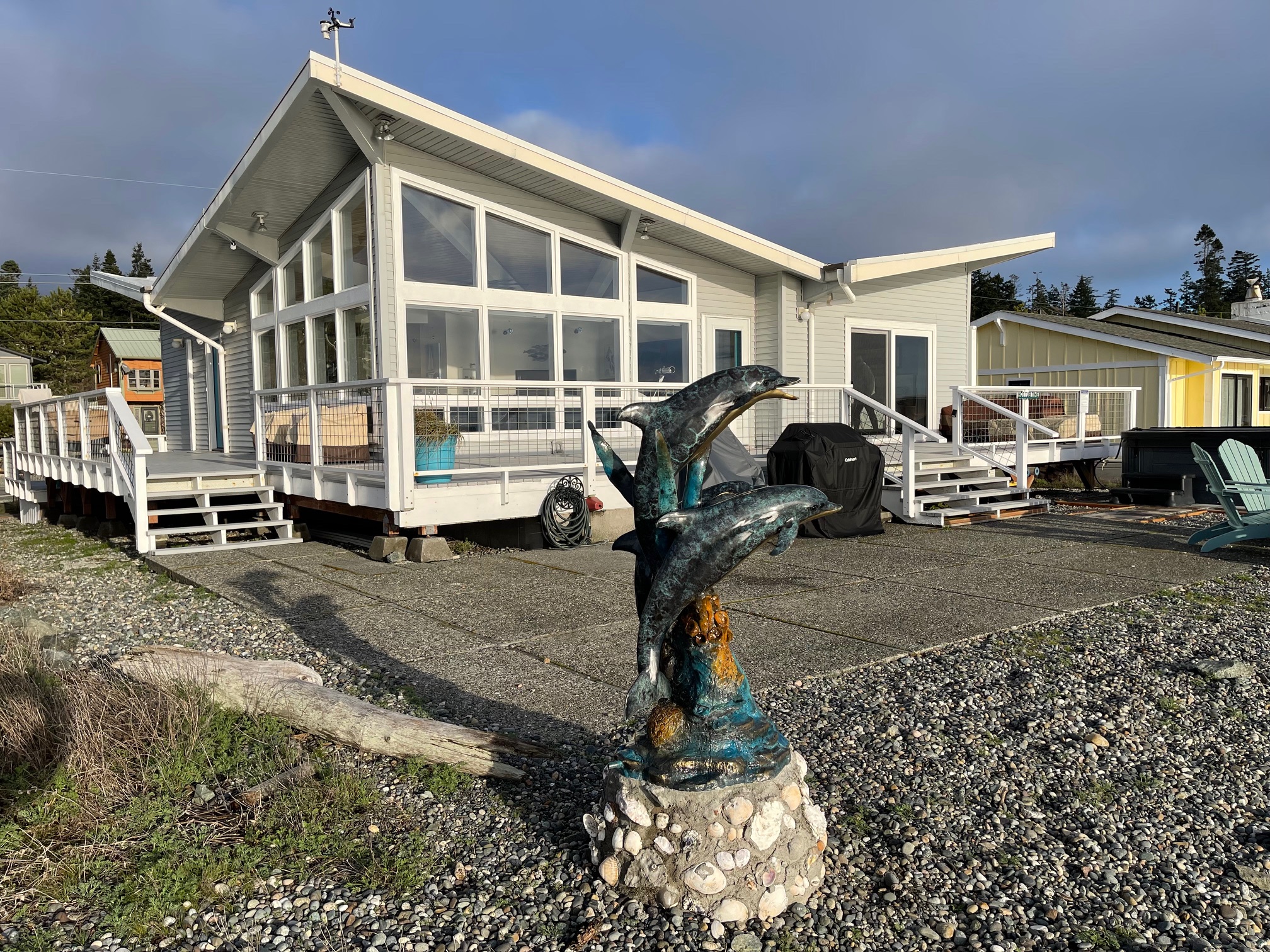
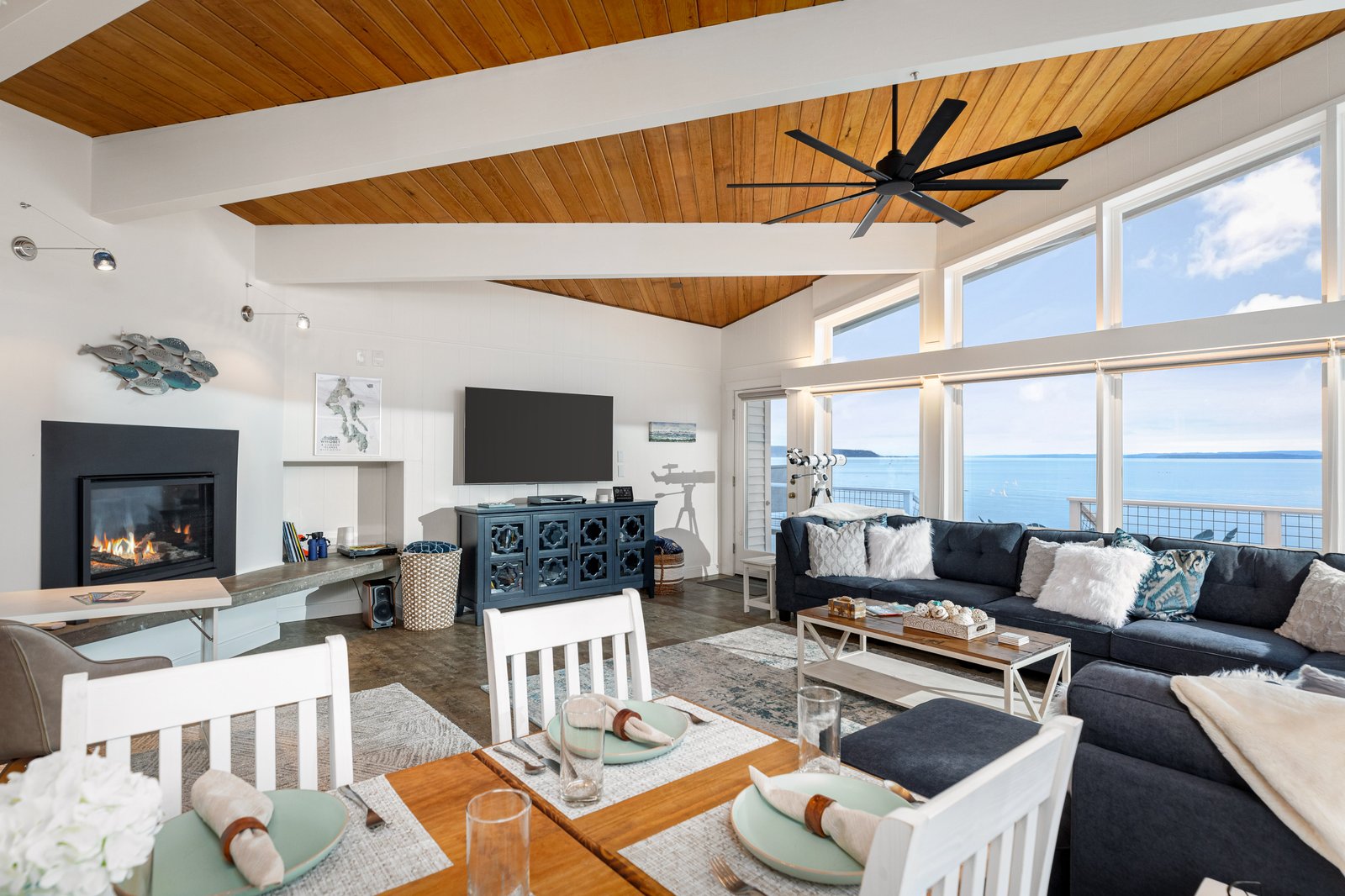
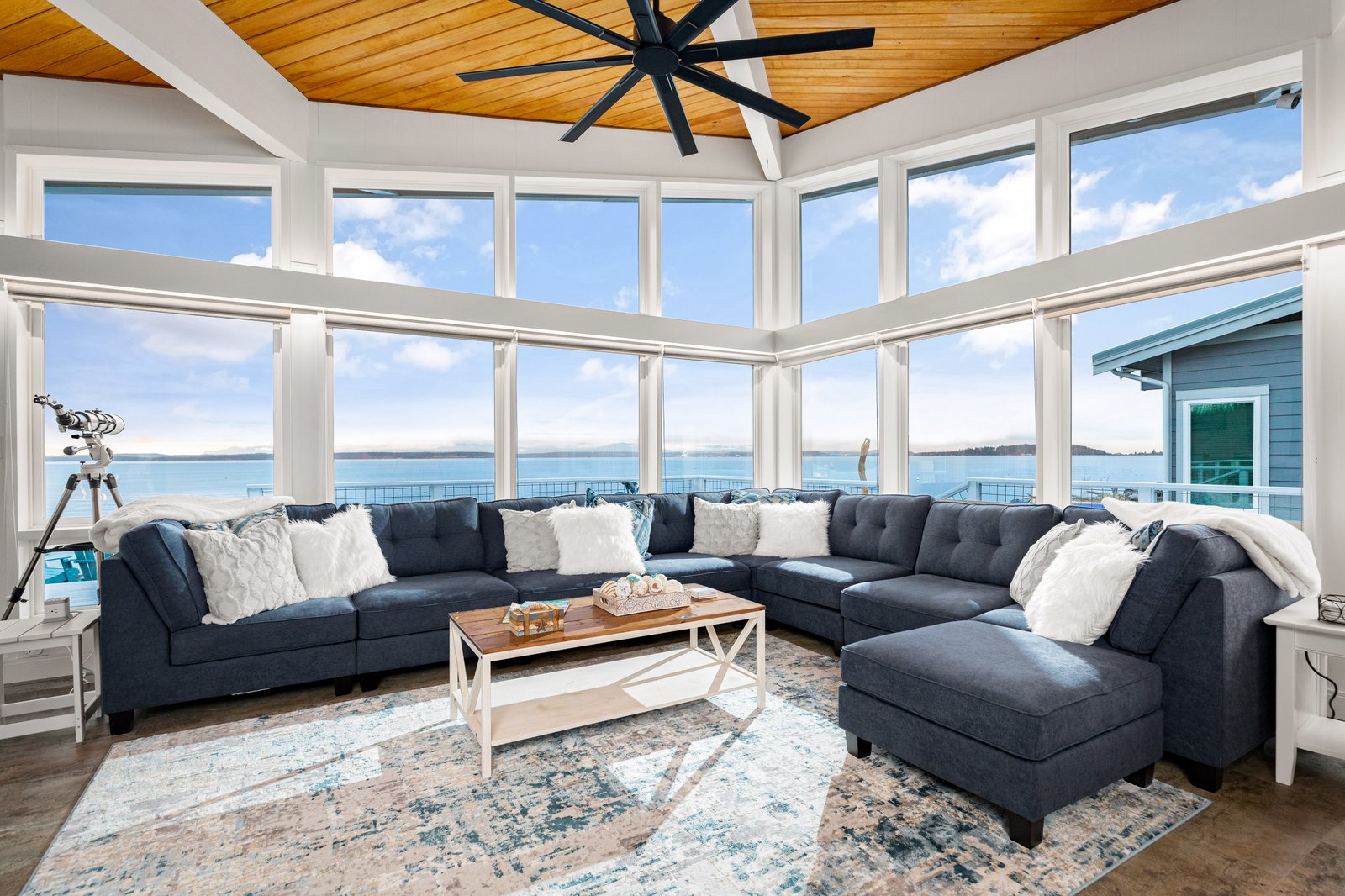
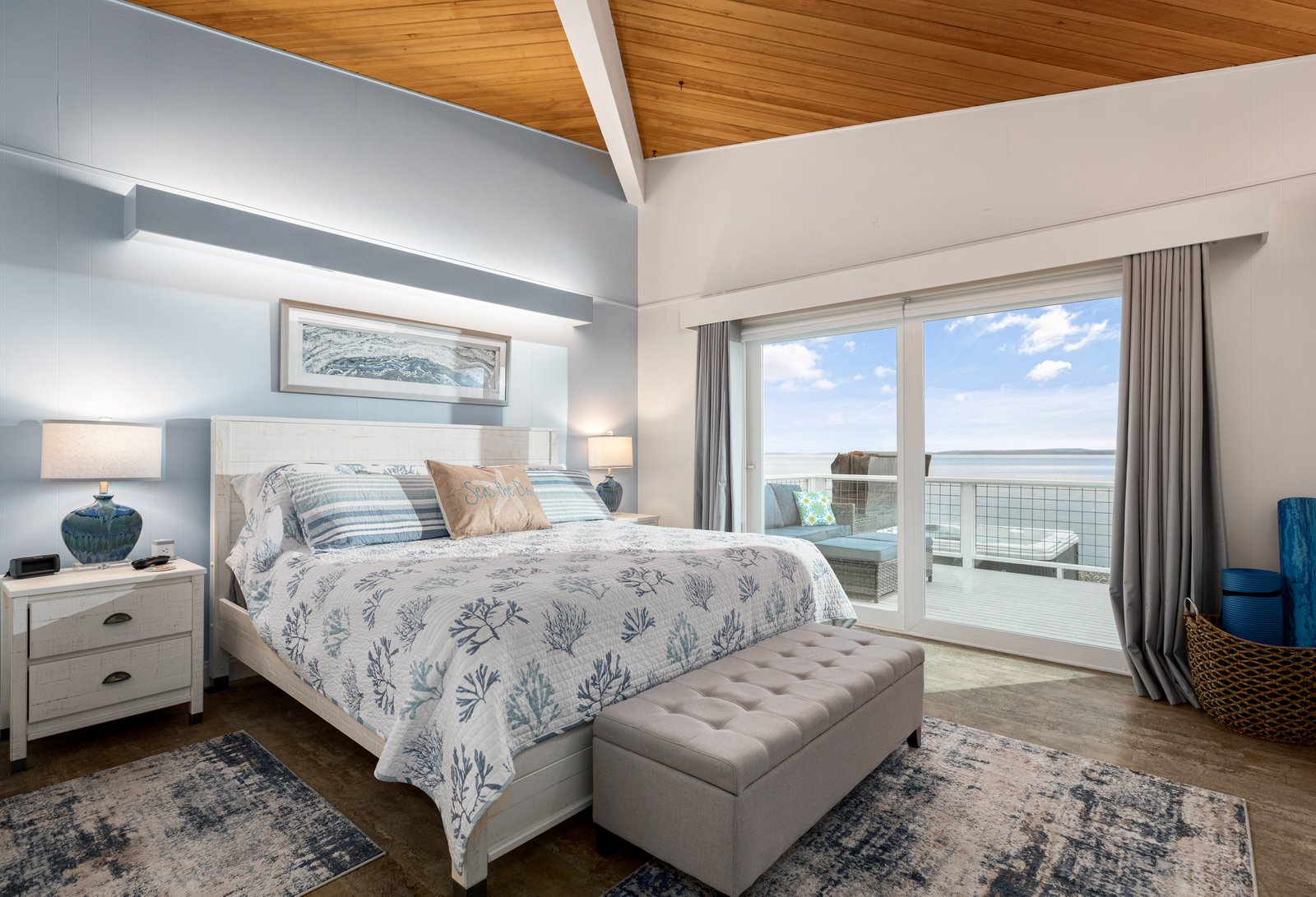
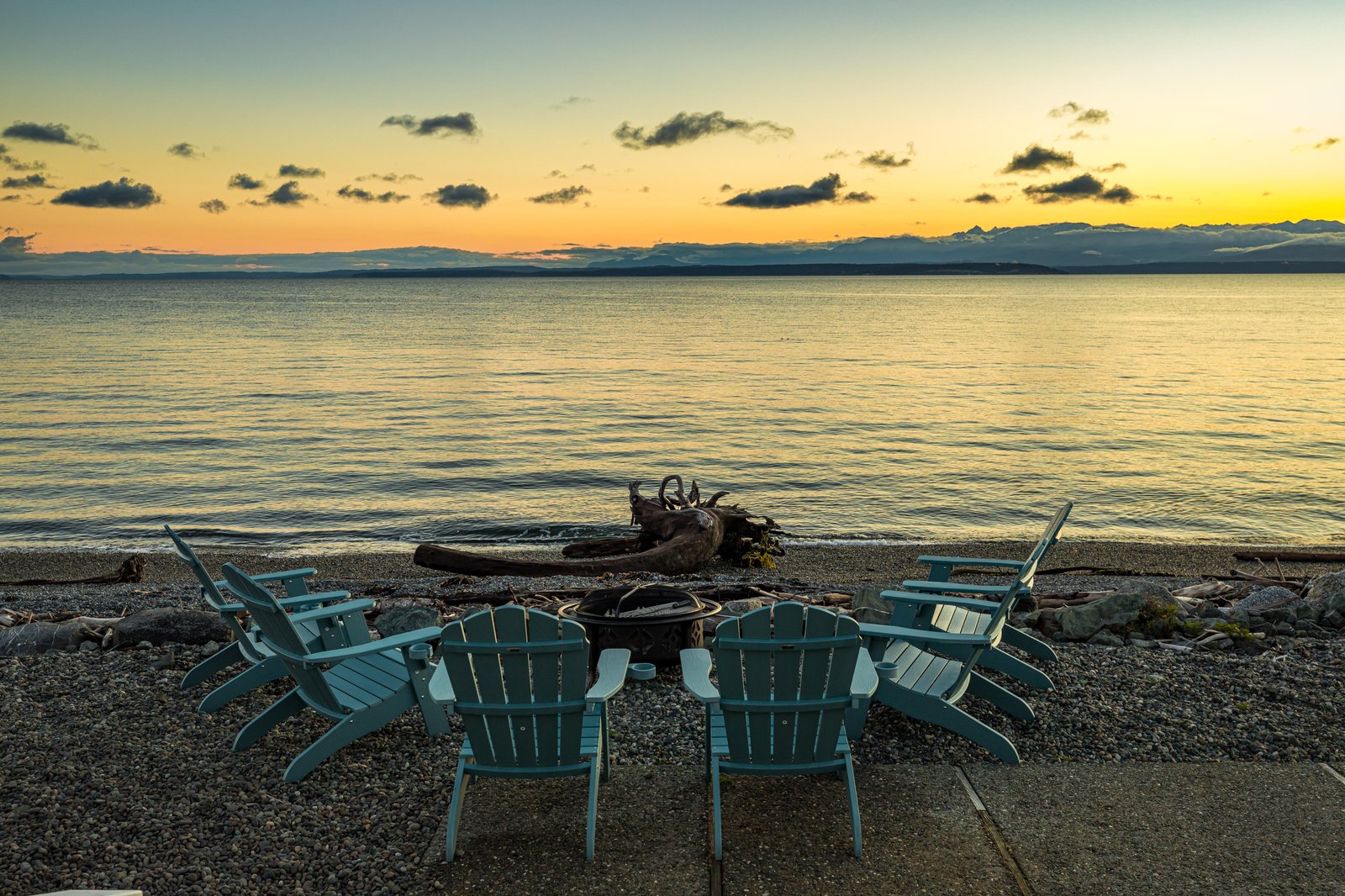
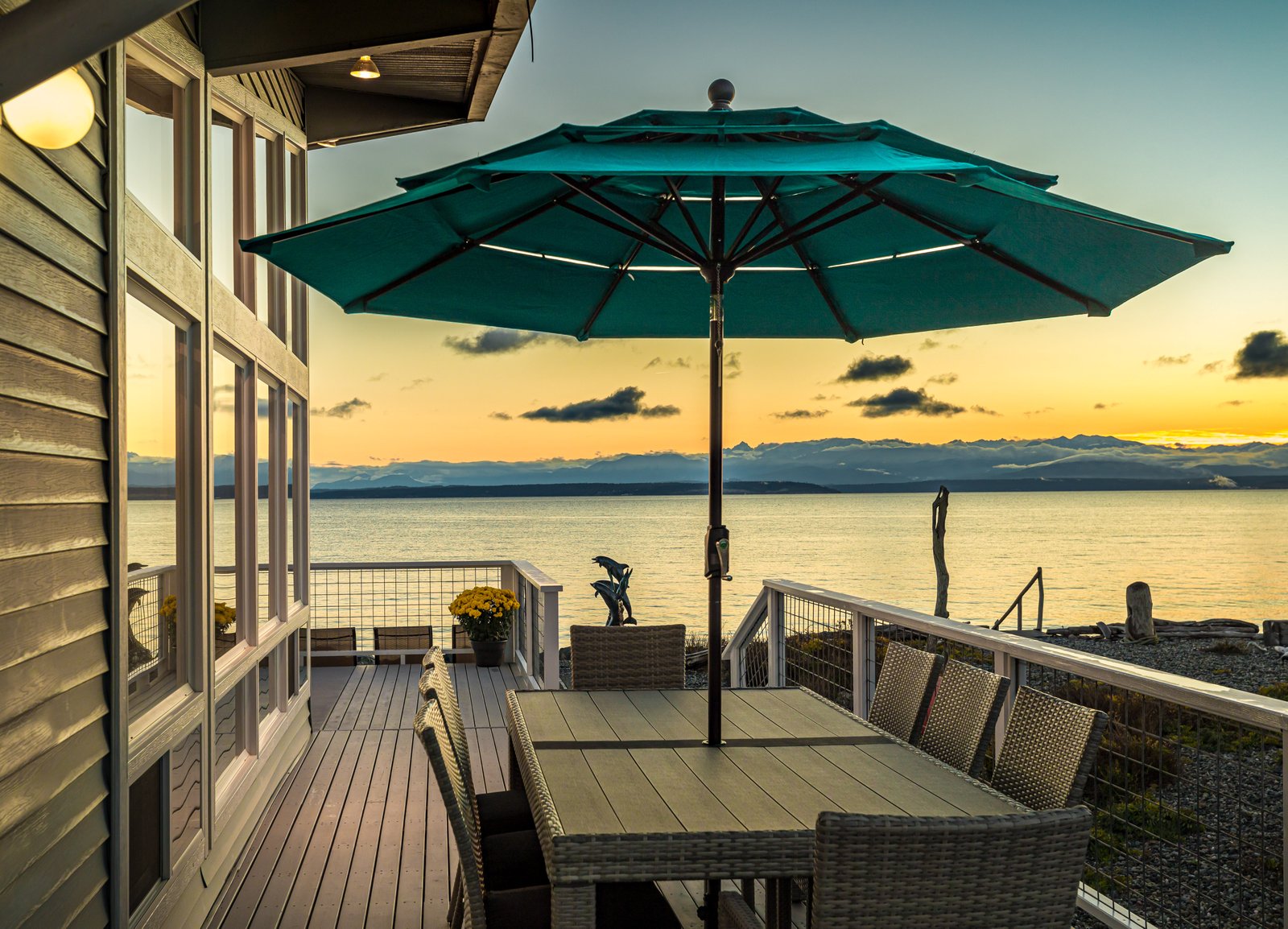
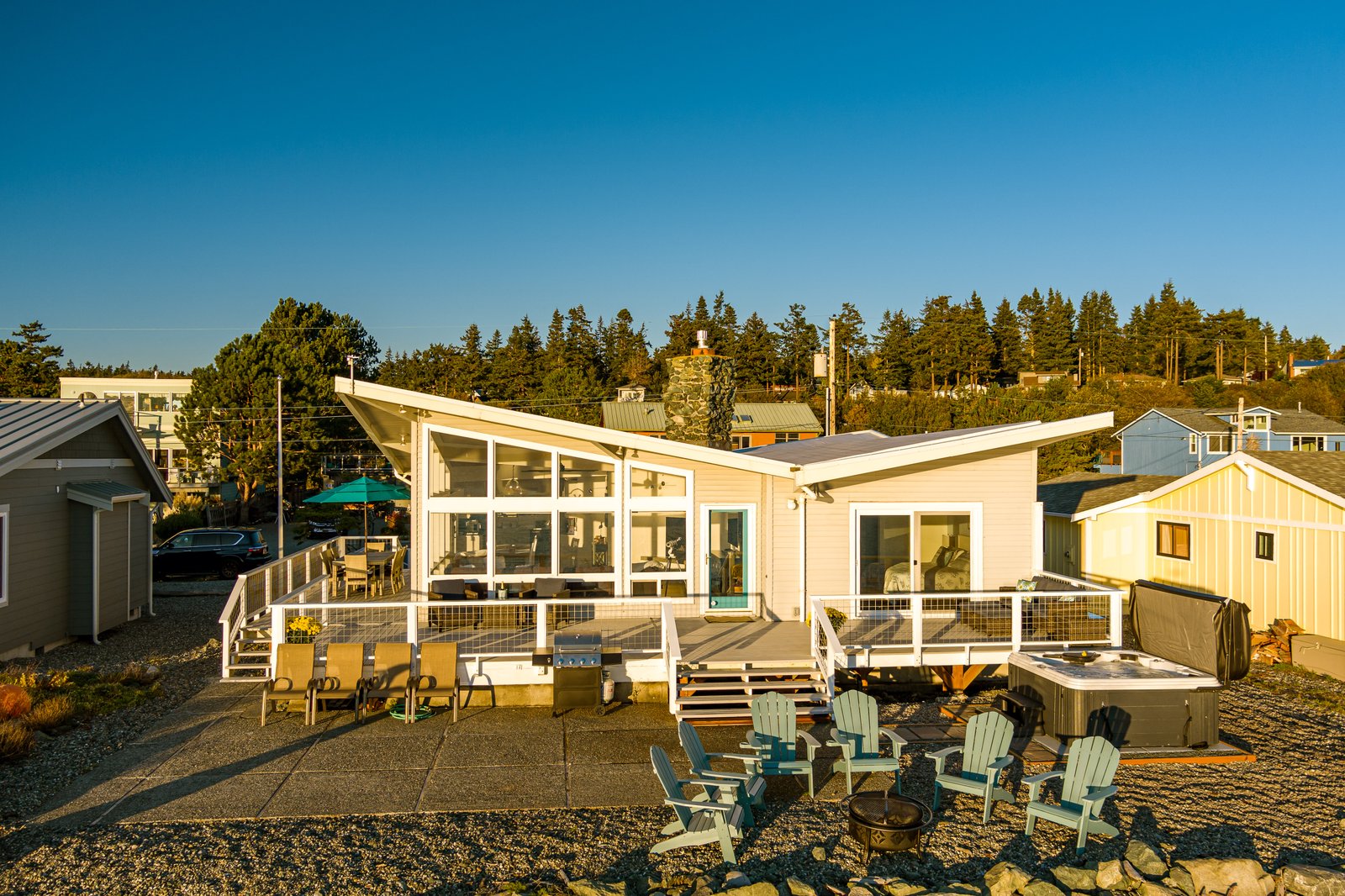
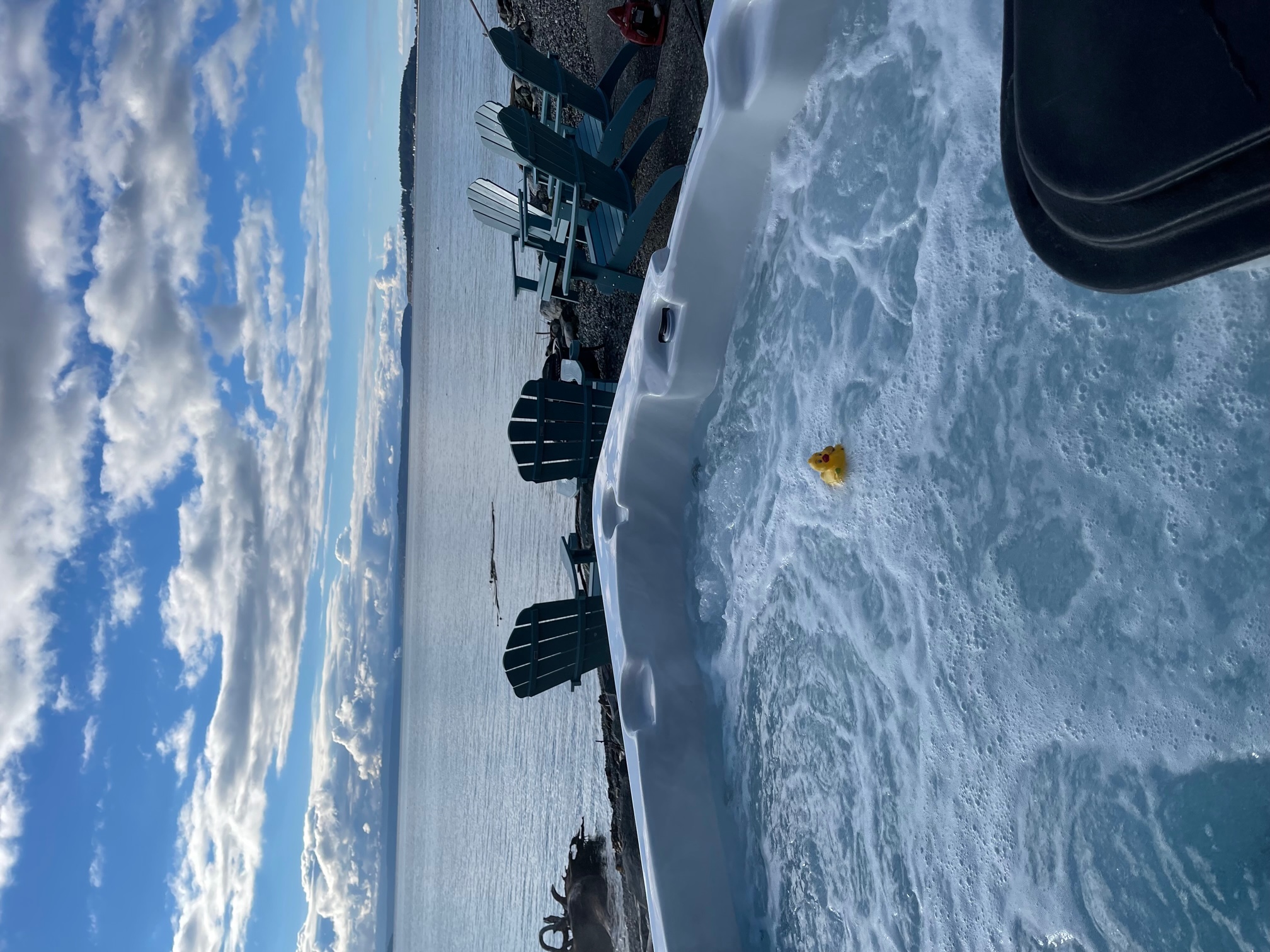
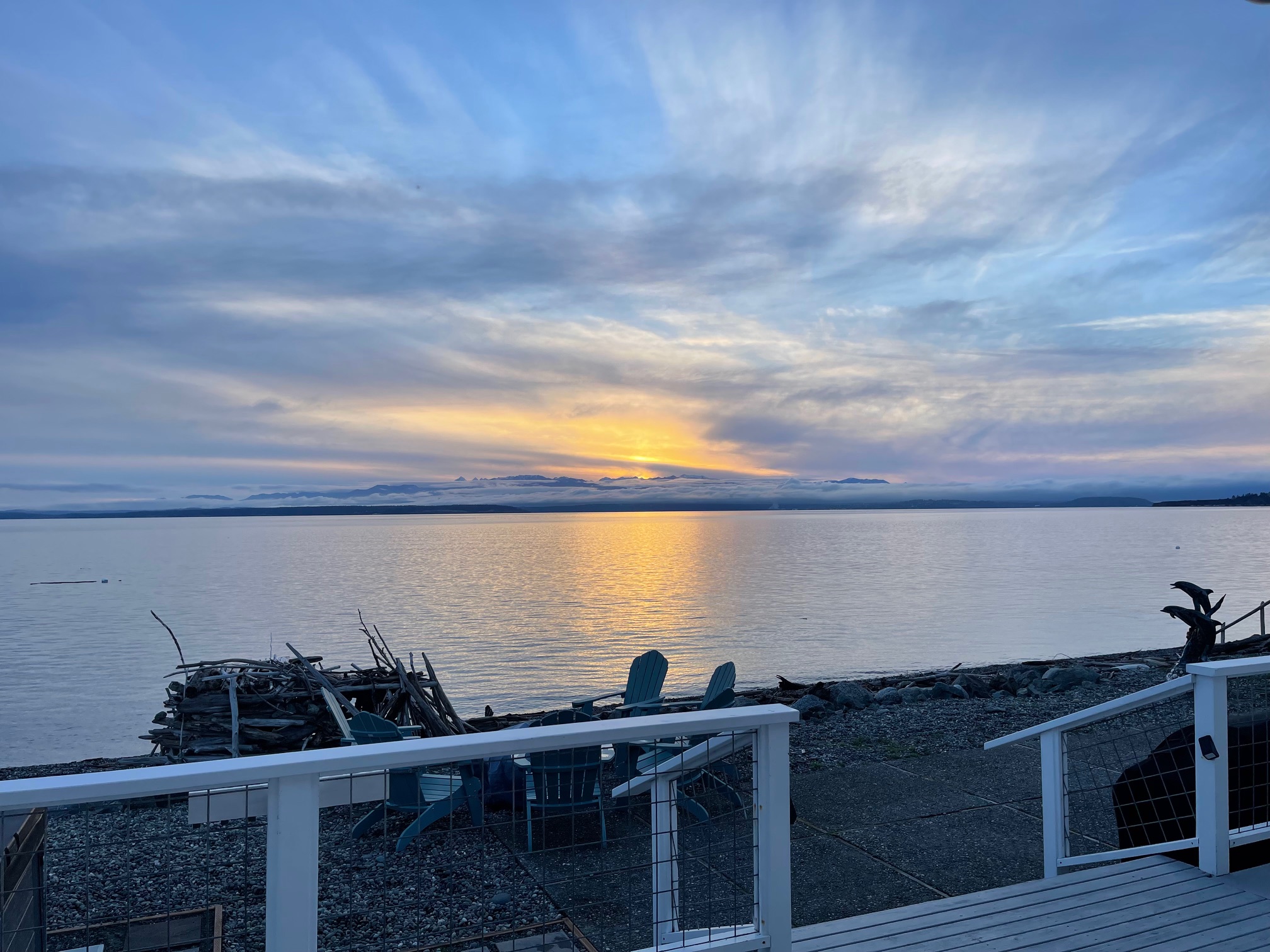
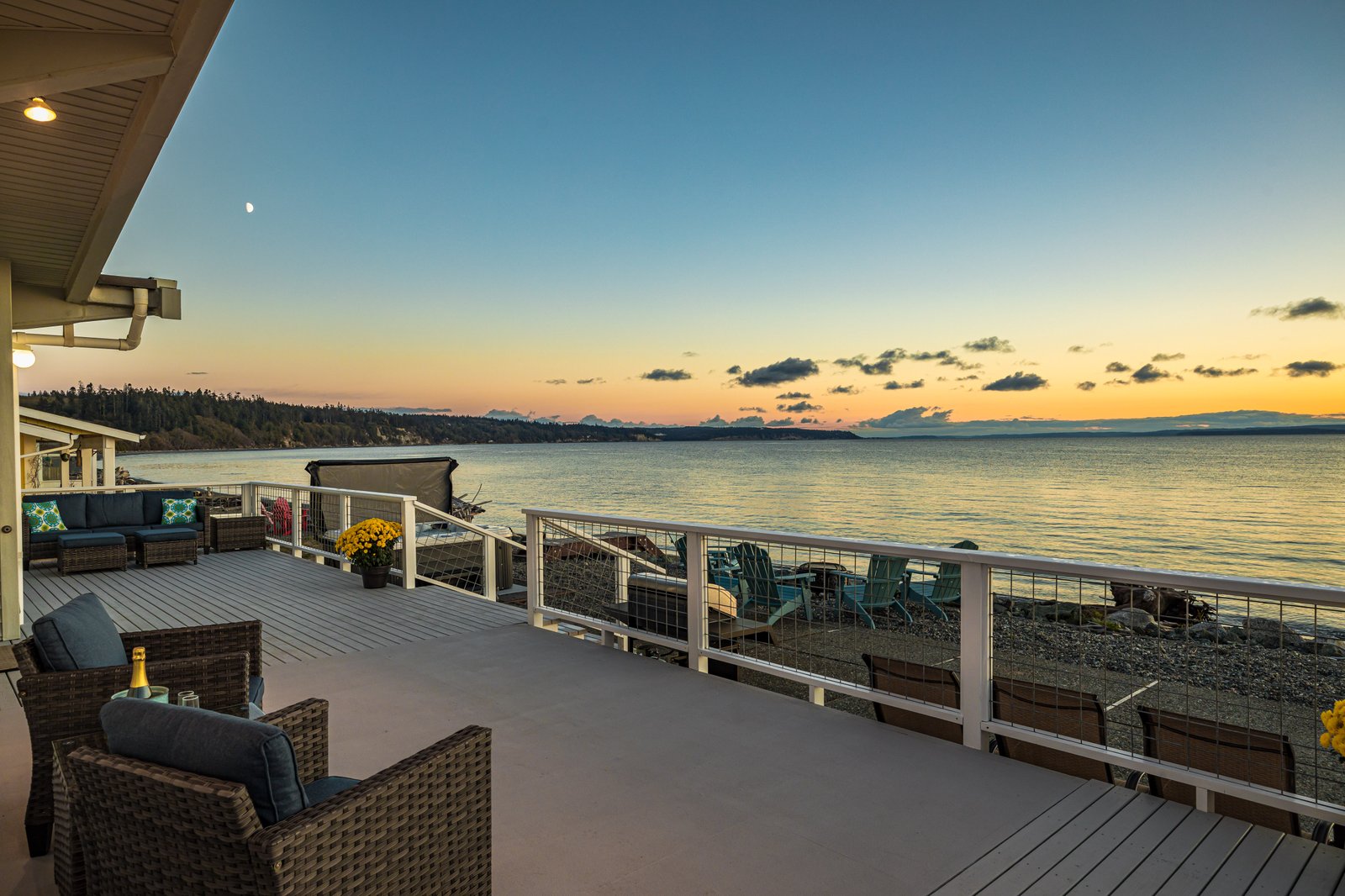
Wake up to panoramic ocean views, unwind in a private hot tub, and create memories that last a lifetime at our luxury beachfront retreat.
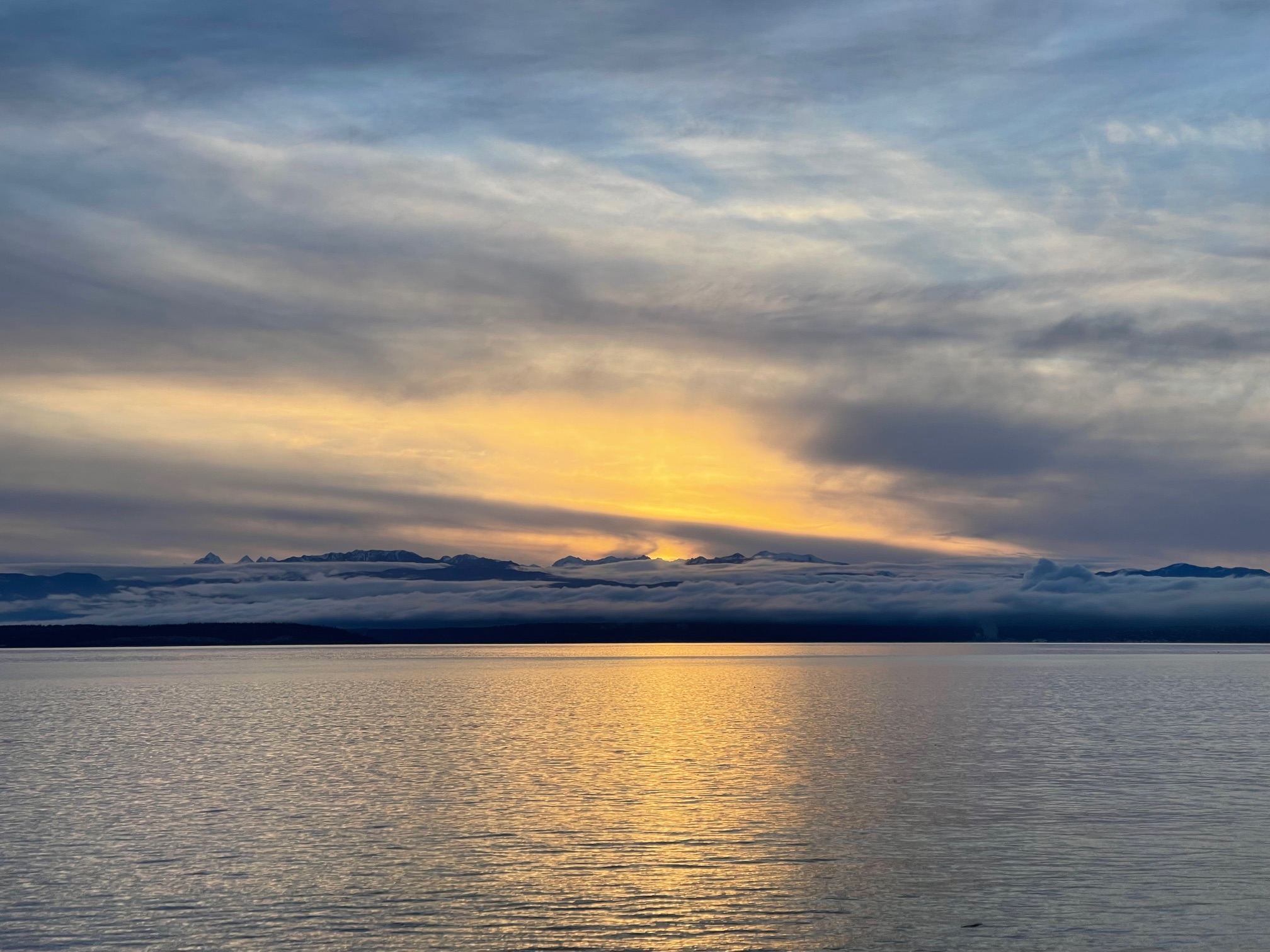
Timing shapes every shot. The soft light of early morning and late evening flatters wildlife and water alike.
Whidbey's frequent overcast is a gift, not a setback. Cloud cover spreads an even light that removes harsh shadows, which is perfect for nature photography that Washington visitors want to capture.
Seasons change the cast of characters. Winter brings eagles and waterfowl, spring adds migrating birds and gray whales, and low tides expose feeding grounds for shorebirds year-round.
The best wildlife photographers are invisible. Your goal is a natural moment, not a startled animal fleeing the frame.
Keep your distance and let the long lens do the work. Never bait, chase, or flush a bird, and give nesting herons and resting seals a wide berth.
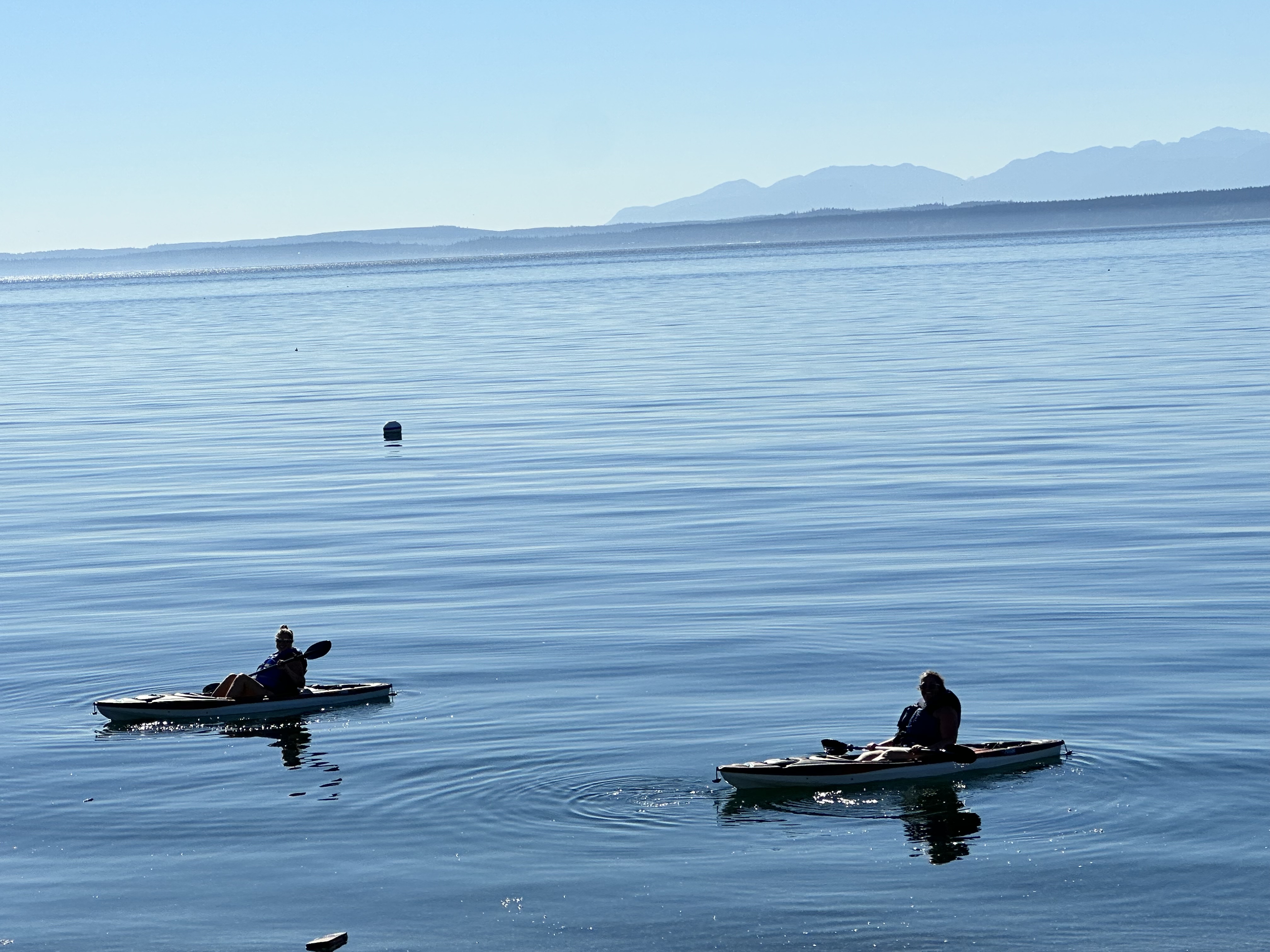
On the water, follow marine mammal guidelines and stay at least 100 yards from whales and seals. Responsible coastal wildlife photography protects the animals and keeps these places open for everyone.
Good wildlife photography takes time and patience. Comfort in the field helps you wait for the shot.
Dress in warm layers and waterproof boots, since beaches and trails get wet. Bring water, snacks, and a tide chart, so you can plan around the water and stay out longer.
Muted clothing helps you blend in, and binoculars help you spot wildlife before you raise the camera. A little preparation turns a cold morning into a productive one.
The right base camp makes everything easier. Staying on the water near Coupeville puts Crockett Lake, Fort Casey, and Ebey's Landing within a short drive.
A beachfront rental also means wildlife right outside your door, from herons at dawn to eagles overhead. You can shoot the sunrise, warm up inside, then head out again when the light returns.
Short drives to Deception Pass at the north end open up seabirds and dramatic coastline. With a comfortable base, a long weekend can cover several habitats without a single rushed morning.
Top spots include Crockett Lake and Fort Casey near Coupeville for shorebirds and raptors, Penn Cove for herons and seals, Ebey's Landing for eagles, and Deception Pass for seabirds. Many beaches also offer wildlife right from the shore.
A telephoto lens of 400mm or longer is the key tool, along with a fast shutter speed to freeze movement. A monopod or beanbag adds stability, and a rain cover plus spare batteries prepare you for Whidbey's cool, damp weather.
Keep a respectful distance and use a long lens instead of approaching. Never bait or flush animals, stay on trails, and follow marine mammal rules by staying at least 100 yards from whales and seals. The animal's comfort always comes first.
Whidbey Island rewards the photographer who slows down and watches. With the right spots, the right gear, and a respectful approach, you can capture coastal wildlife at its best. The island's eagles and herons are waiting.

Traveling to Whidbey Island With a Baby or Toddler: A Parent's Planning Guide
Whidbey Island Vacation for Photographers: Planning a Scenic Coastal Stay

Whidbey Island for Nature Lovers Who Prefer Quiet Experiences

Whidbey Island for Food Lovers: Local Ingredients, Seafood & Farm Experiences

Whidbey Island in the Fall: Fewer Crowds, Coastal Views and Local Experiences
Whidbey Island for Remote Workers: How to Plan a Productive Coastal Stay



.png)


.png)


.png)


.png)


.png)


.png)


