
Email: [email protected]
Email: [email protected]
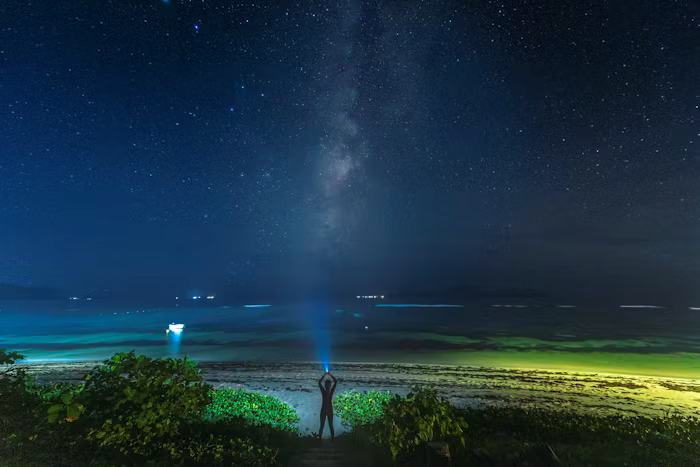
If you think cities have stars, wait until you try stargazing on Whidbey Island. The moment the sun drops, the island becomes quiet and dark. Street lights are few, and traffic is calmer. You can actually see the sky instead of a gray glow.
People visit during the day for beaches and trails. Locals know the real magic happens at night. The water reflects the sky, and the horizon looks endless. Ever seen the Milky Way while hearing waves? That is the goal here.
This guide explains where to go and when to go. It also shares small tricks, so you enjoy the night and stay safe.
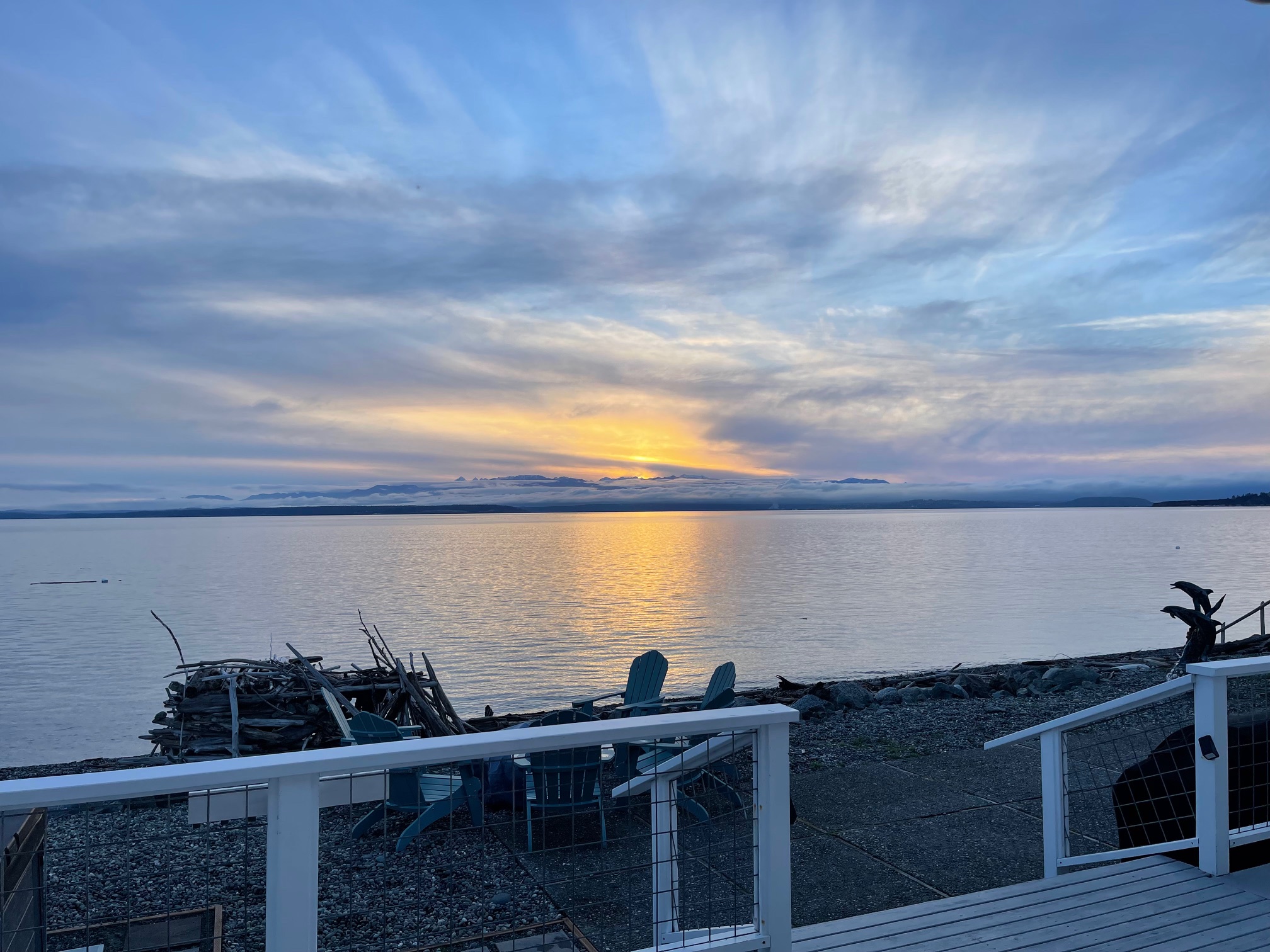
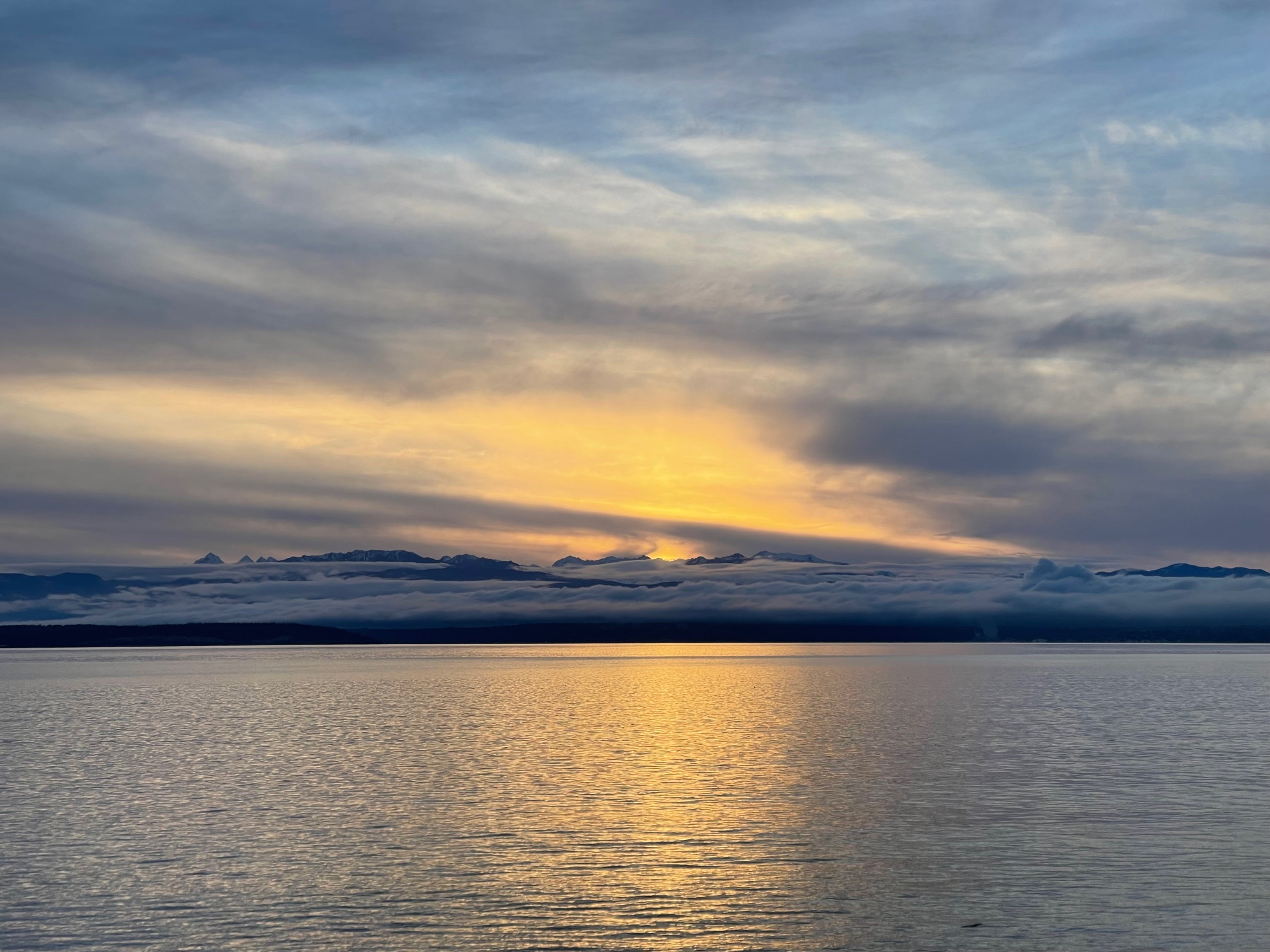
West beaches give the clearest sunset and the darkest sky after twilight. The ocean prevents city lights from reaching your eyes, which lets you see better. You need to bring a blanket together with a warm layer because temperatures near water bodies drop rapidly. Try to stay away from your phone for ten minutes while you sit.
Your night vision improves a lot. The satellites will become visible to you as they move across the sky at a slow pace. The objects appear as permanent stars that move through space along direct paths. Children enjoy finding the hidden objects.
Northern shores feel more remote and darker. Fewer homes and fewer cars help a lot. You will hear wind and water only.
These spots are great for beginners and families. There is space to move and no steep cliffs. After your visit, you can plan daytime trips through the hidden beaches of Whidbey and family-friendly activities on Whidbey Island.
Higher ground reduces haze from the water. You see constellations more clearly, and stars appear sharper. A small camping chair helps because looking up for long periods hurts your neck.
Avoid standing near edges in the dark. Stay a few steps back and keep a flashlight ready. Use red light mode if possible because white light ruins night vision.
Clearings inside coastal forests block wind and add comfort. Trees also block distant lights. This creates a darker pocket sky even when towns are nearby.
Listen carefully and stay aware of your surroundings. Night nature is calm but still active. The experience becomes peaceful instead of scary once your eyes adjust.
Cities produce sky glow. Moist air spreads the light upward. The ocean absorbs light instead of reflecting it. That combination makes dark sky spots on the Washington coast easier to find than in inland urban areas.
Another benefit is an open horizon and stable air. Stars twinkle less and planets appear brighter. Jupiter and Venus often look like small lamps above the water.
Winter nights are long and clear. Orion and Taurus dominate the sky. You may even see your breath while watching stars. Dress warmly and bring gloves.
This is the best season for crisp detail and bright constellations.
Spring offers comfortable temperatures and earlier evenings. You can stargaze without staying up too late. Leo and Ursa Major become easy to identify.
Great season for beginners and families.
Summer brings the Milky Way. This is peak stargazing time on Whidbey Island. The galactic band stretches across the sky after midnight. Beaches are popular but still quiet compared to cities.
Mosquito spray and a hoodie help a lot. Nights feel warmer, but the wind can surprise you.
Autumn combines darkness and comfort. Fewer visitors mean quieter beaches. Pegasus and Andromeda rise high and clear.
This is also meteor shower season. Lie down and watch patiently. You will see quick streaks across the sky.
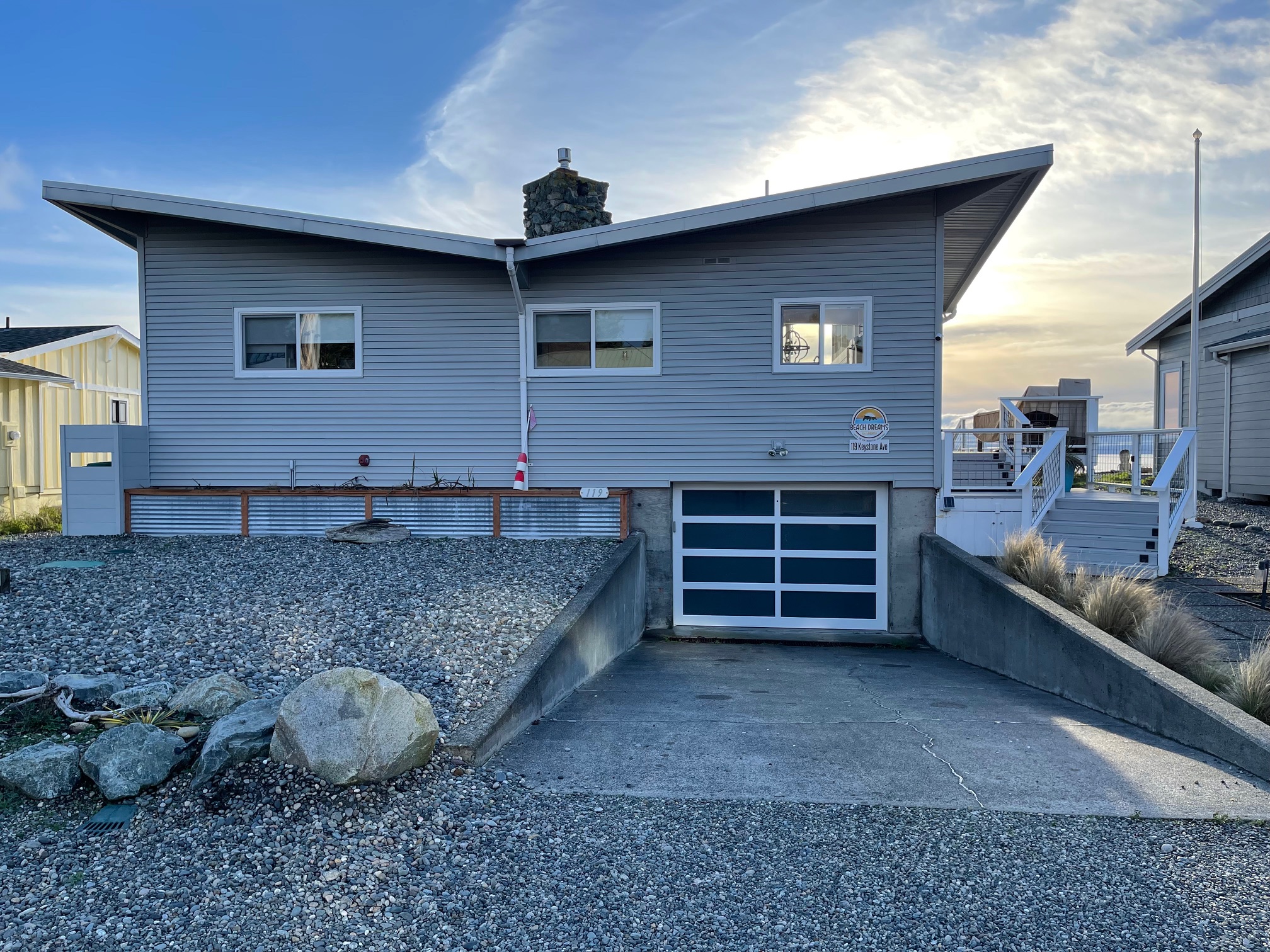
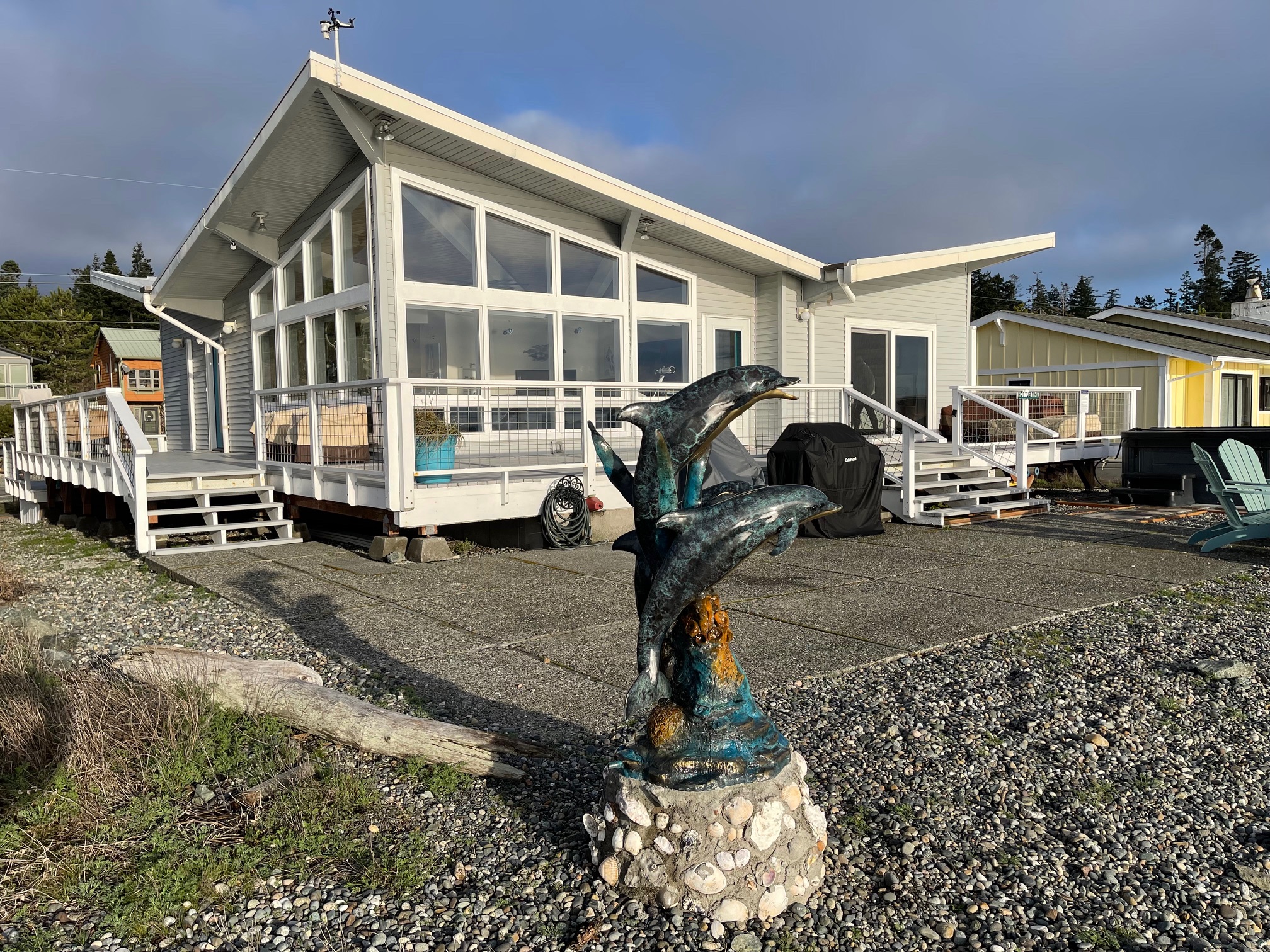
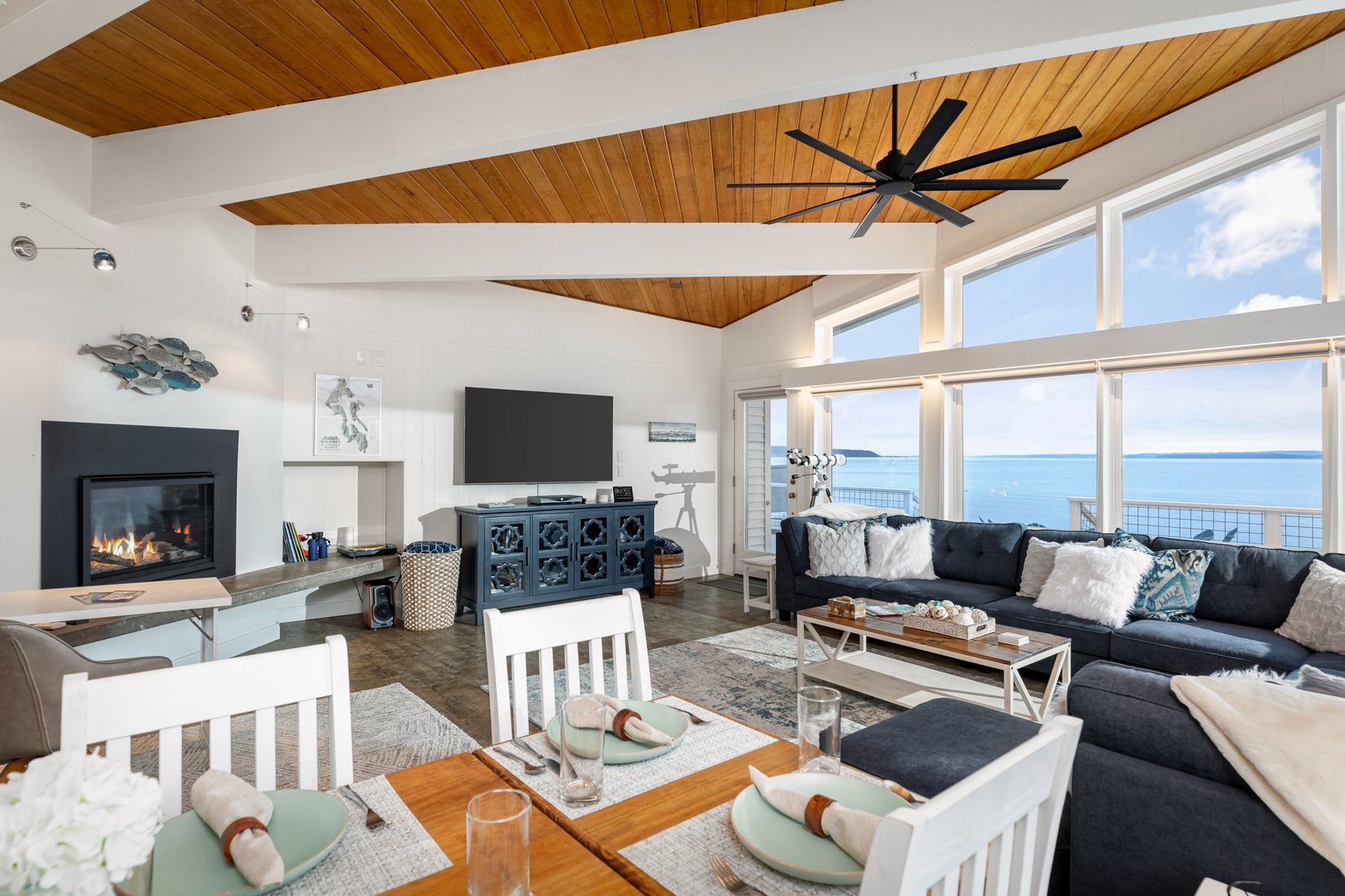
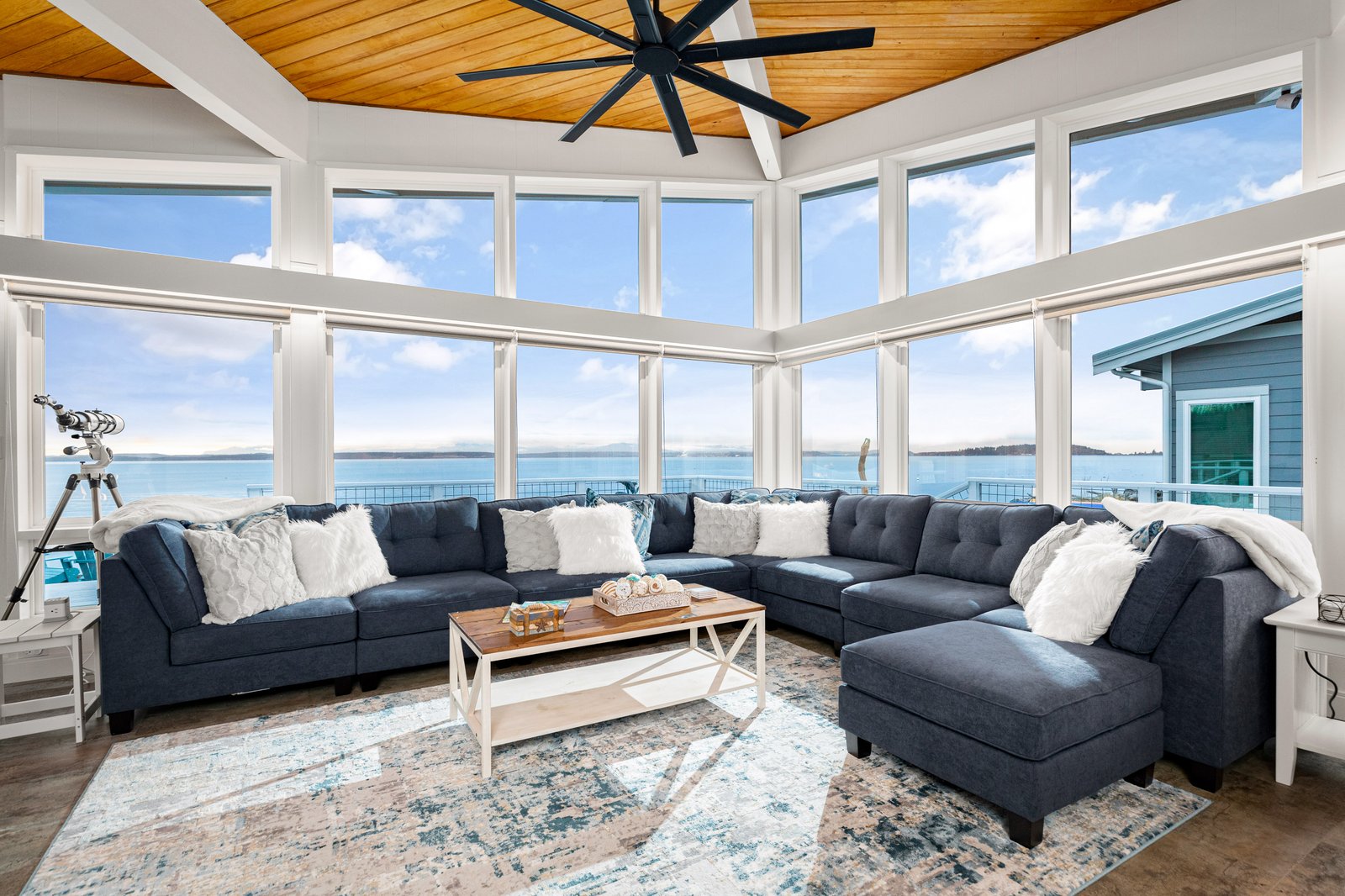
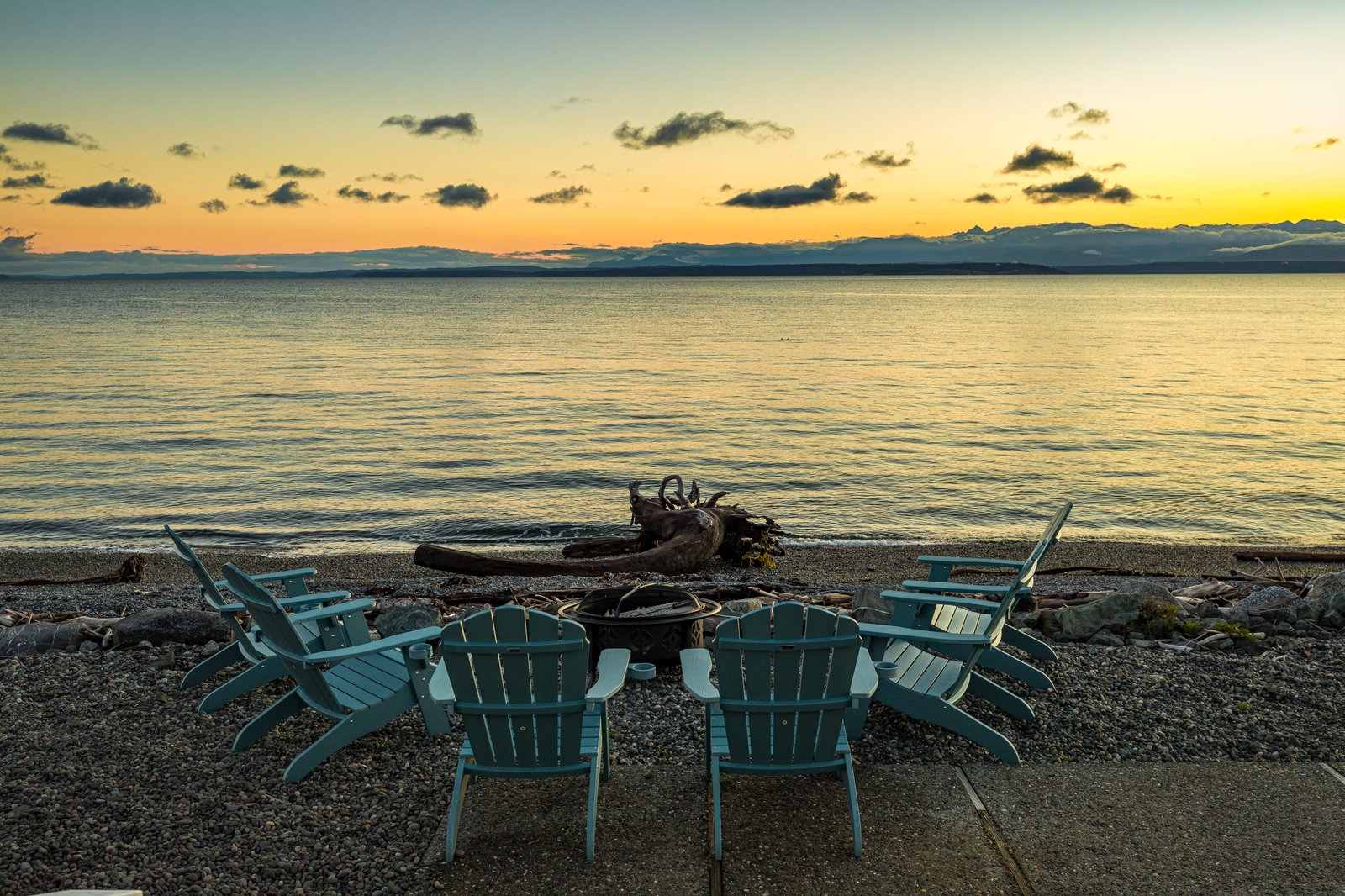
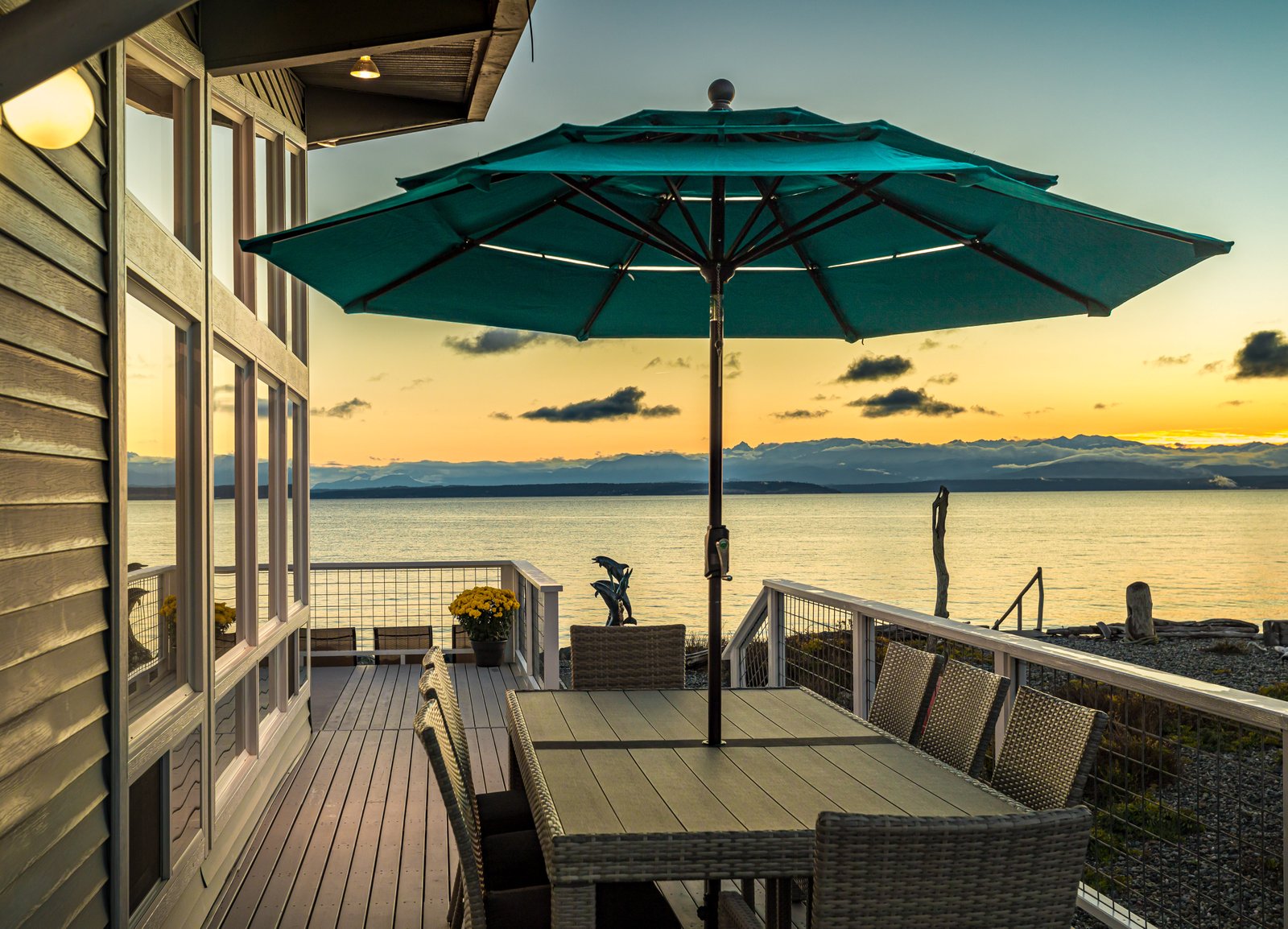
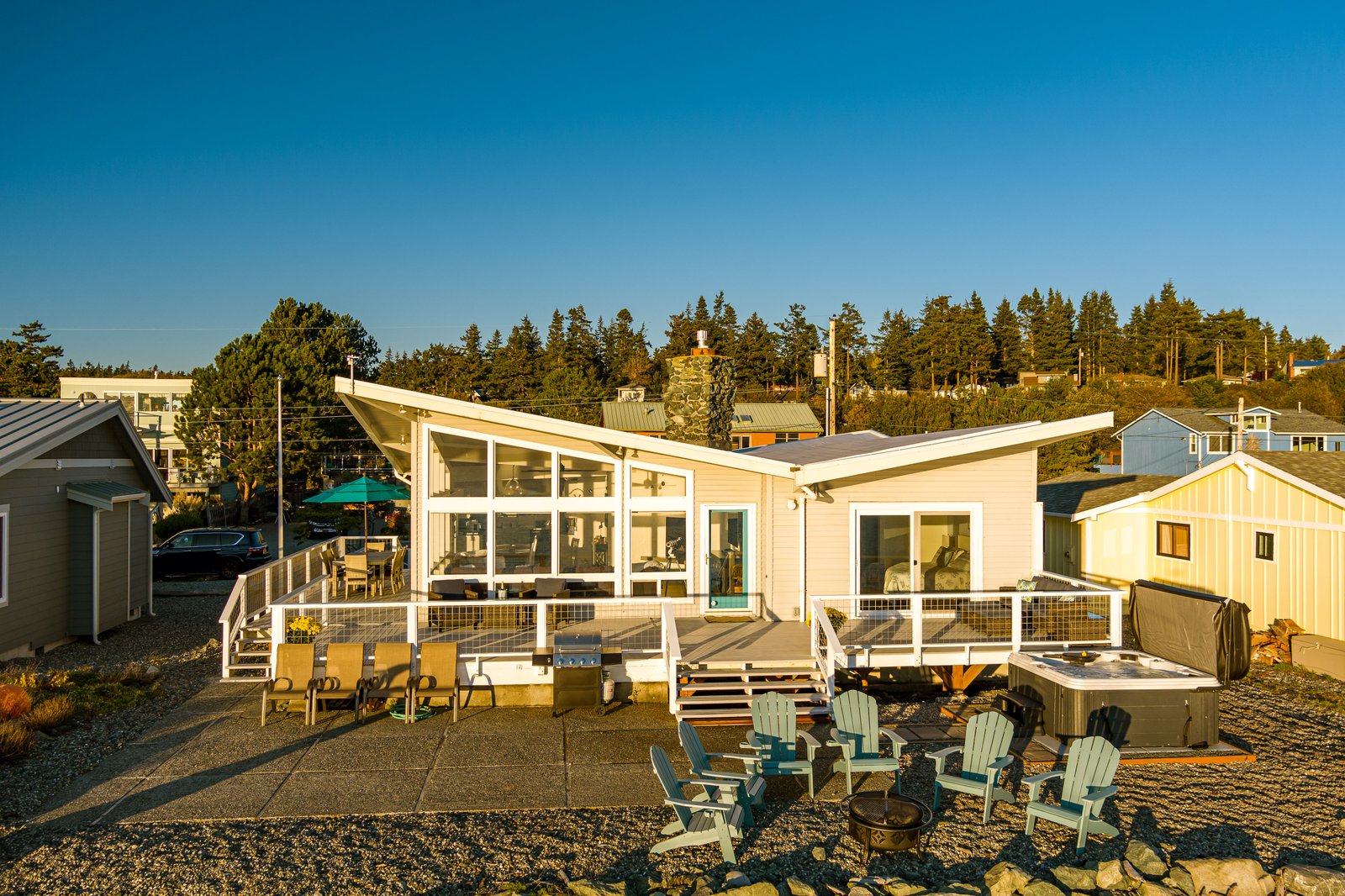
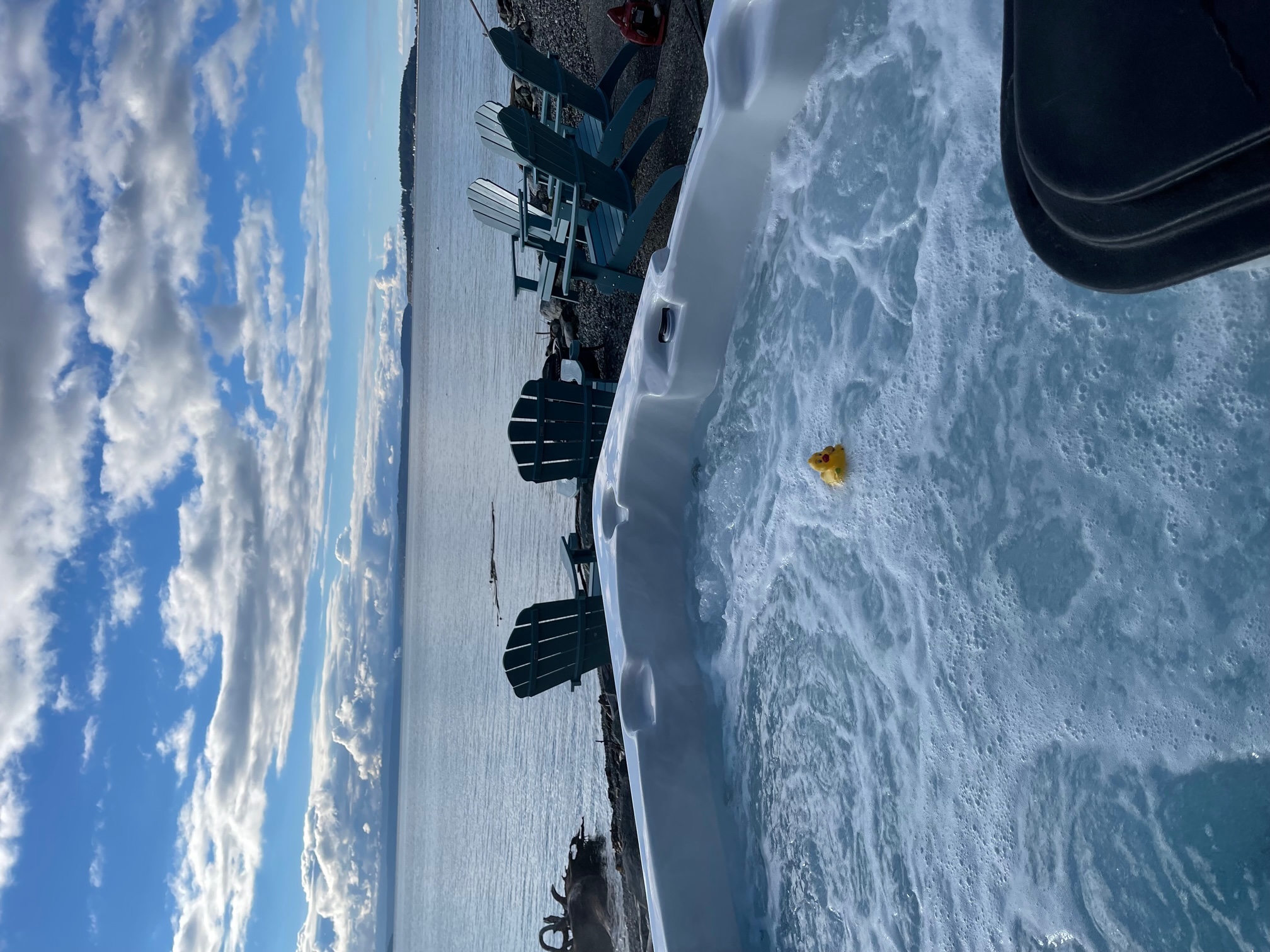
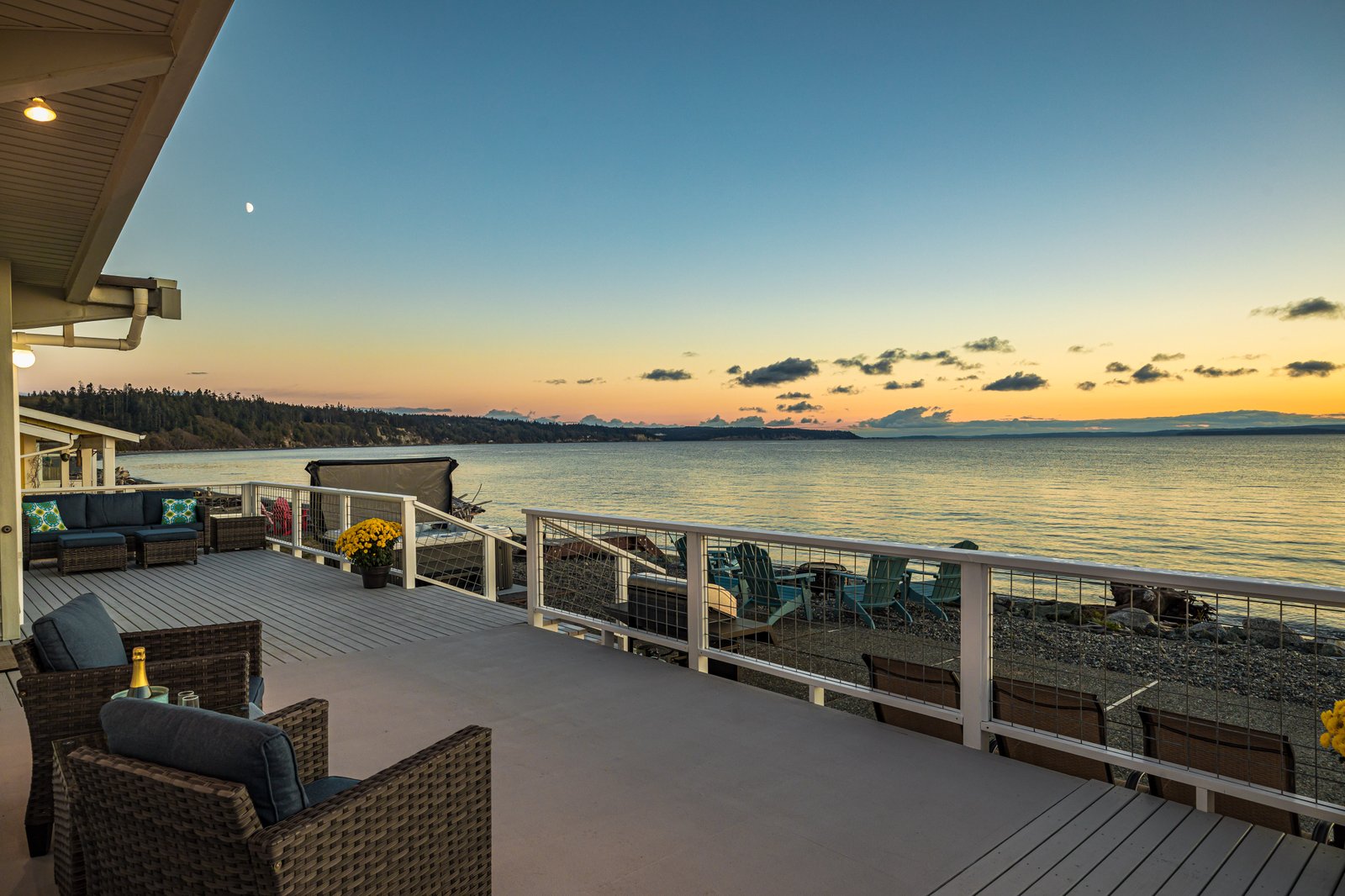
Wake up to panoramic ocean views, unwind in a private hot tub, and create memories that last a lifetime at our luxury beachfront retreat.
You do not need expensive equipment. A few items improve the experience quickly.
Bring a blanket and a chair. Add warm layers and water. A thermos with tea feels amazing at night.
Binoculars show craters on the moon and star clusters. A star map app helps, but lower brightness first. Keep phones away after checking positions.
A small tripod allows long exposure photos. Even beginners capture stars with basic settings.
The best arrival time before dark helps you to learn the correct path through the area. The practice of walking without sight close to water presents dangerous conditions. You need to mentally mark your parking location and bring a small light source with you. Your safety increases through this practice, which establishes a routine to follow every day.
The time period before your eyes need to adjust should last until you stop reading messages. Your night vision will reset itself when you look at a bright screen for only one second. You should decrease your phone's brightness and use your hand to block part of the screen when you need to use your phone.
The first fifteen minutes of your time outside will show you many more distant stars that you could not see before. The process of pattern identification becomes easier when you focus on select patterns instead of studying all patterns simultaneously. The process starts when you select a bright star to follow its direction toward neighboring celestial formations.
The experience maintains its peacefulness through this method, which prevents both stress and excessive activities. Children like transforming it into a game by identifying the various shapes that they observe in their environment. The coastal area experiences fast-moving clouds that develop above its territory.
The sky should remain partly covered before you leave for your next destination. The time frame between clear windows for viewing will develop within a few minutes. Wind conditions create a natural phenomenon that removes haze from the air, which results in better sight distances.
You should reduce your speed to stop and pay attention to your surroundings. The natural environment produces sounds from waves and distant owls, which create a special atmosphere. The experience involves not just counting stars but also spending peaceful time in the outdoors. Most visitors consider this particular experience to be their favorite part of the trip because it provides them with simple and peaceful moments.
Keep noise low and lights dim. Many areas are residential and peaceful. Pack out trash and leave the beach cleaner.
Night skies exist because people protect them. Small actions help everyone.
About 90 minutes after sunset, when the sky becomes fully dark.
No. Your eyes and binoculars are enough for most constellations.
Yes, if you stay aware, bring light, and avoid walking near cliffs.
The residents of Whidbey Island dedicate their time to stargazing because they find its beauty. The sky appears to stretch beyond its boundaries while approaching the viewer from above. The ocean waves and celestial bodies produce a peaceful rhythm that no urban environment can replicate.
The dark sky areas that stretch along the Washington coastline provide visitors with a unique opportunity to experience unspoiled natural beauty. You only need basic equipment and your ability to observe things. Basic knowledge and expensive equipment do not present a requirement for the task. Curiosity and time serve as the only requirements to fulfill your request.
The next clear night, you should go outside and observe the night sky. The experience will change your perception of the night sky permanently.
There’s nothing like staying close to the places you love. Discover our Whidbey Island vacation rentals and plan your perfect stay.

Whidbey Island for Remote Workers: How to Plan a Productive Coastal Stay
Seattle to Whidbey Island: How to Plan an Easy Coastal Escape

Common Vacation Rental Booking Mistakes and How to Avoid Them
How to Choose the Best Beachfront Rental for Your Travel Style

What Makes a Beachfront Vacation Feel More Relaxing Than a City Break?
Planning a Birthday Getaway on Whidbey Island






.png)


.png)


.png)


.png)


.png)


.png)


