
Email: [email protected]
Email: [email protected]
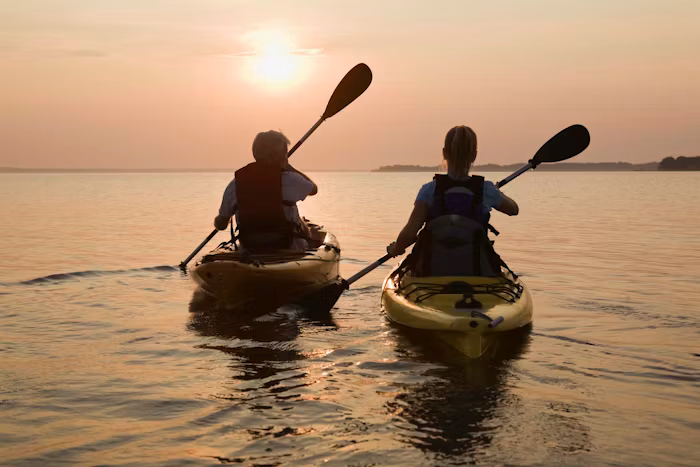
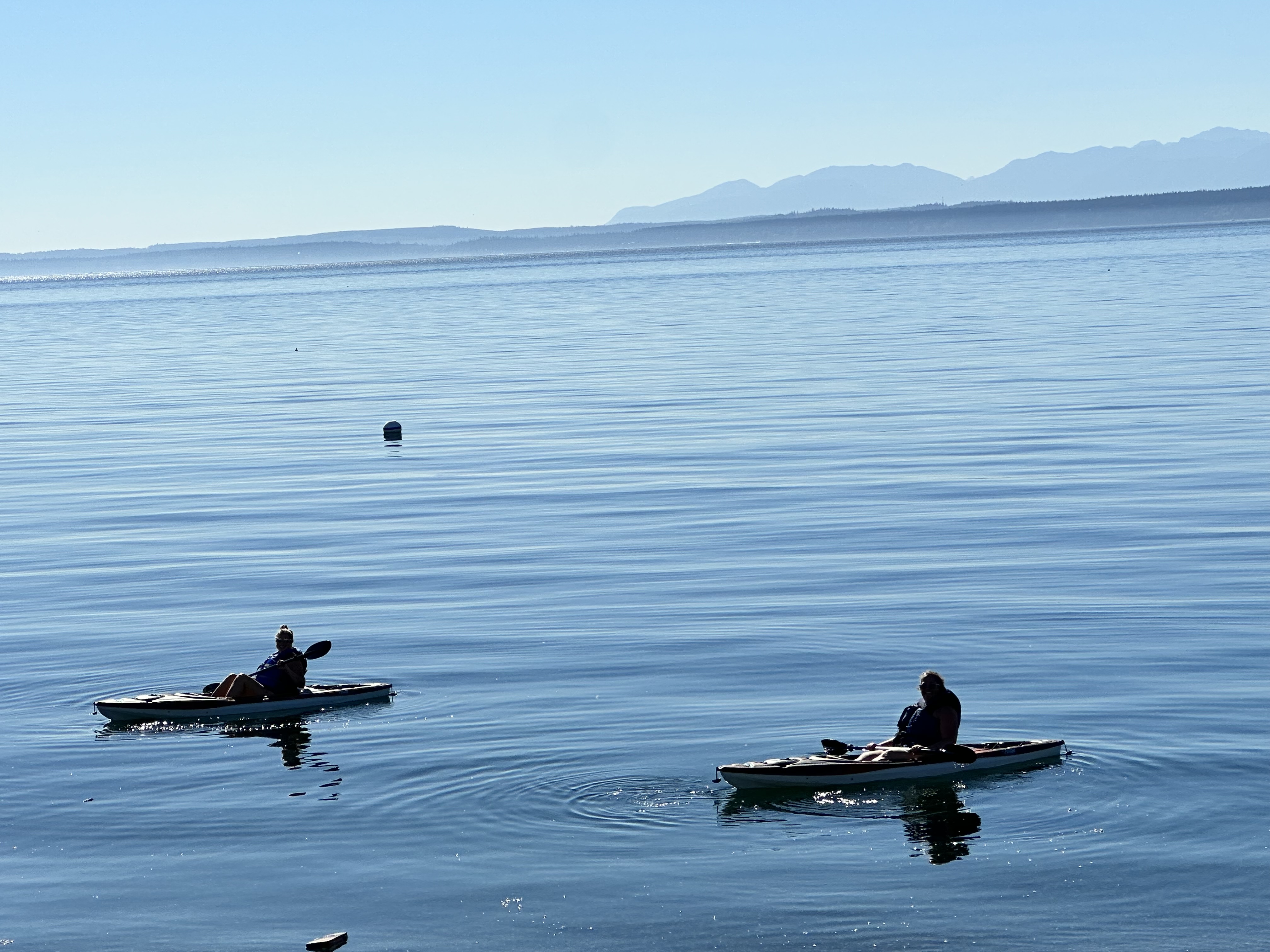
Kayaking feels different on Whidbey Island. The water feels closer and calmer. The views feel personal.
That is why kayaking on Whidbey Island attracts beginners and experienced paddlers alike. You get scenic coastlines and quiet moments. You also get access to sea kayaking in Puget Sound without feeling overwhelmed.
This guide covers the best launch spots and simple safety tips. No pressure and no technical talk. Just useful advice and honest insight. The question asks whether you have ever experienced instant relaxation after launching a kayak into the water.
The protected waters and diverse shorelines of Whidbey Island create a suitable environment for beginning paddlers and experienced kayakers who want to test their skills. The area provides open waters that experienced paddlers can use to practice their skills.
The experience of sea kayaking in Puget Sound appears threatening in most areas, yet Whidbey makes the activity feel manageable while delivering satisfying results. The activity allows you to paddle while taking breaks for rest. The activity requires you to maintain a specific balance.
Morning waters are usually calmer. Winds tend to stay low. Wildlife activity feels higher, too.
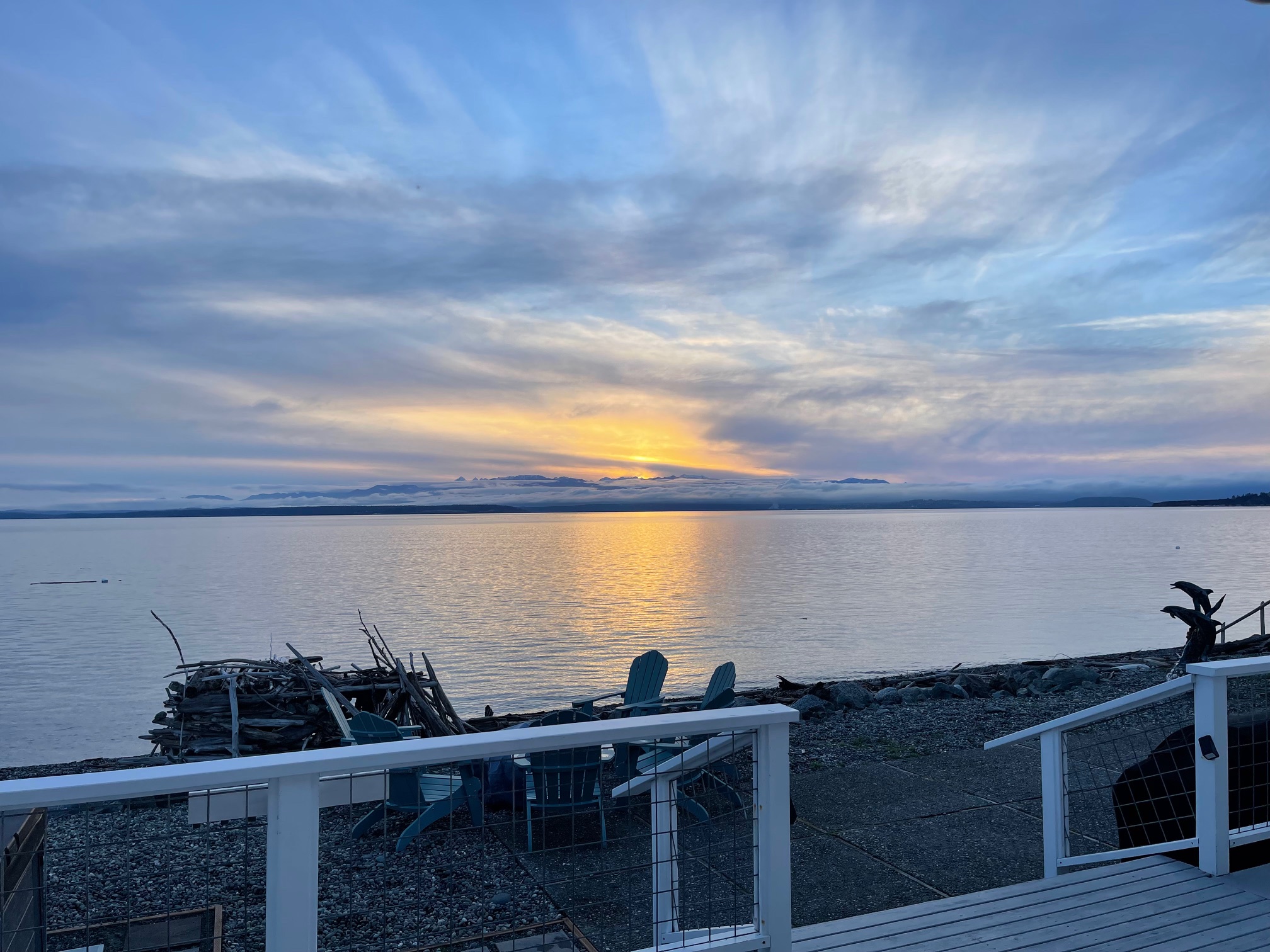
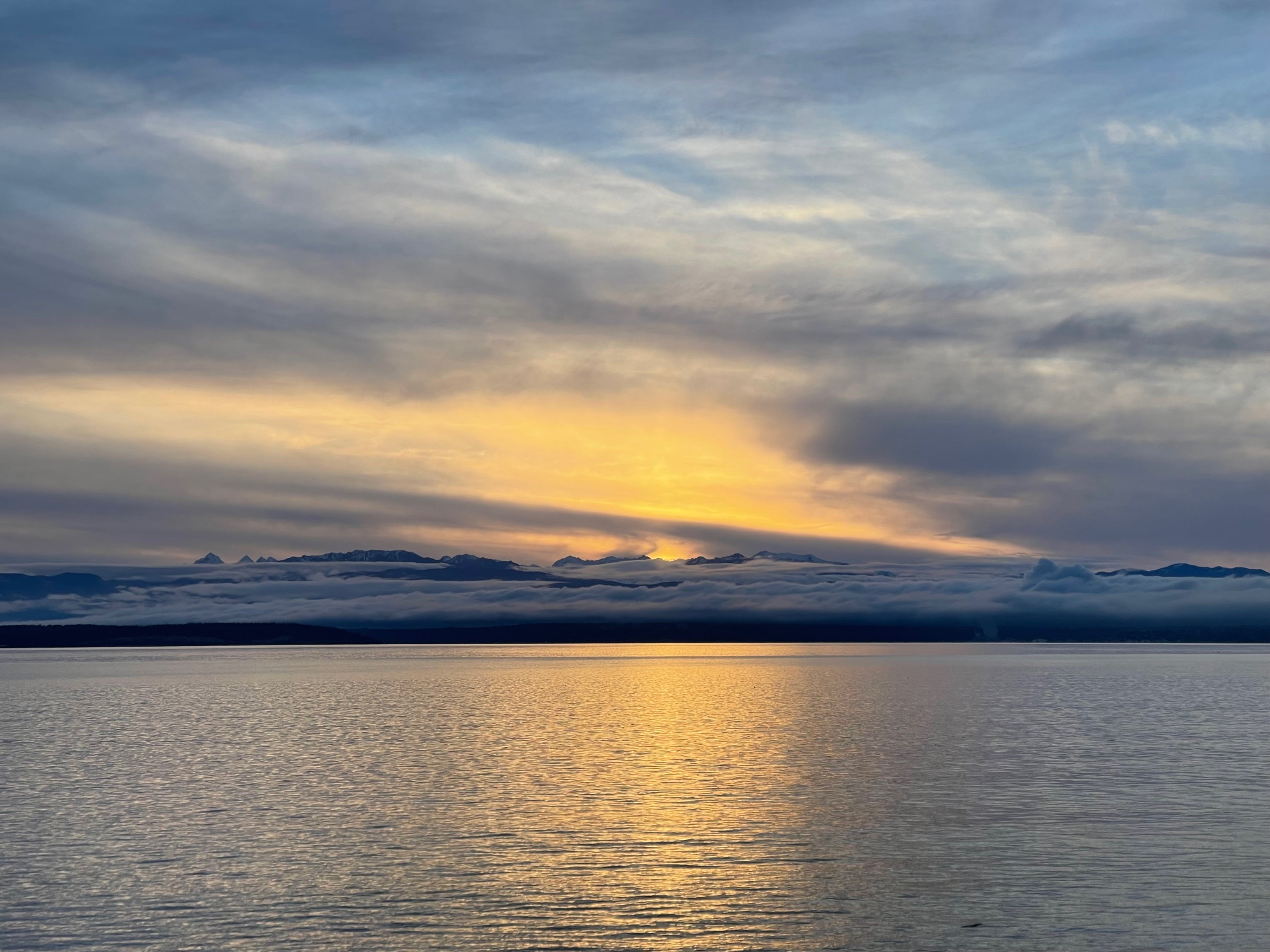
Evenings offer softer light and cooler air. Both times feel peaceful. Which one fits your style better?
Penn Cove is one of the most accessible places to begin a kayaking adventure on Whidbey Island. This is due to the calm nature of the water.
The shore feels expansive and open. You can kayak around without feeling confined or boxed in. The view of Coupeville and the hills creates a nice ambience.
Another advantage is that it is convenient. Parking is convenient, and when you finish paddling, food is readily available, together with restrooms.
The area of Deception Pass is very visually appealing. It is full of cliffs and bridges. However, it is also an area that should be respected.
The water currents run quickly here. Timing is important. It is important to check the tide charts before launching.
This area is best suited to experienced paddlers. If you are experienced and ready, the payoff will be worth it. Not many places feel as effective as this.
Cornet Bay feels protected and beginner-friendly. The surrounding land helps block strong winds. That keeps the water calmer.
This is a good place to practice basic skills. You can work on turns and balance without pressure. Many people start here for that reason.
It is also a social spot. You will often see other kayakers nearby. That adds a sense of safety and community.
Libbey Beach offers wide access points. Launching a kayak here feels straightforward. The shoreline gives you room to adjust.
Water conditions change depending on the day. Calm mornings are ideal. Wind can pick up later.
This area connects well to exploration. Short paddles can lead to quiet stretches of coast. It pairs nicely with searching for the hidden beaches of Whidbey.
Kayaking keeps you low and quiet on the water. That makes wildlife encounters more likely. Seals often surface nearby.
Birdlife is also common. You may see eagles and herons. Watching them glide feels special.
The key is patience. Slow paddling helps. Let the animals set the pace.
Occasionally, whales pass through nearby waters. This connects kayaking and whale watching on Whidbey. Encounters are rare but memorable.
Always keep space and follow guidelines. Observation beats interaction every time.
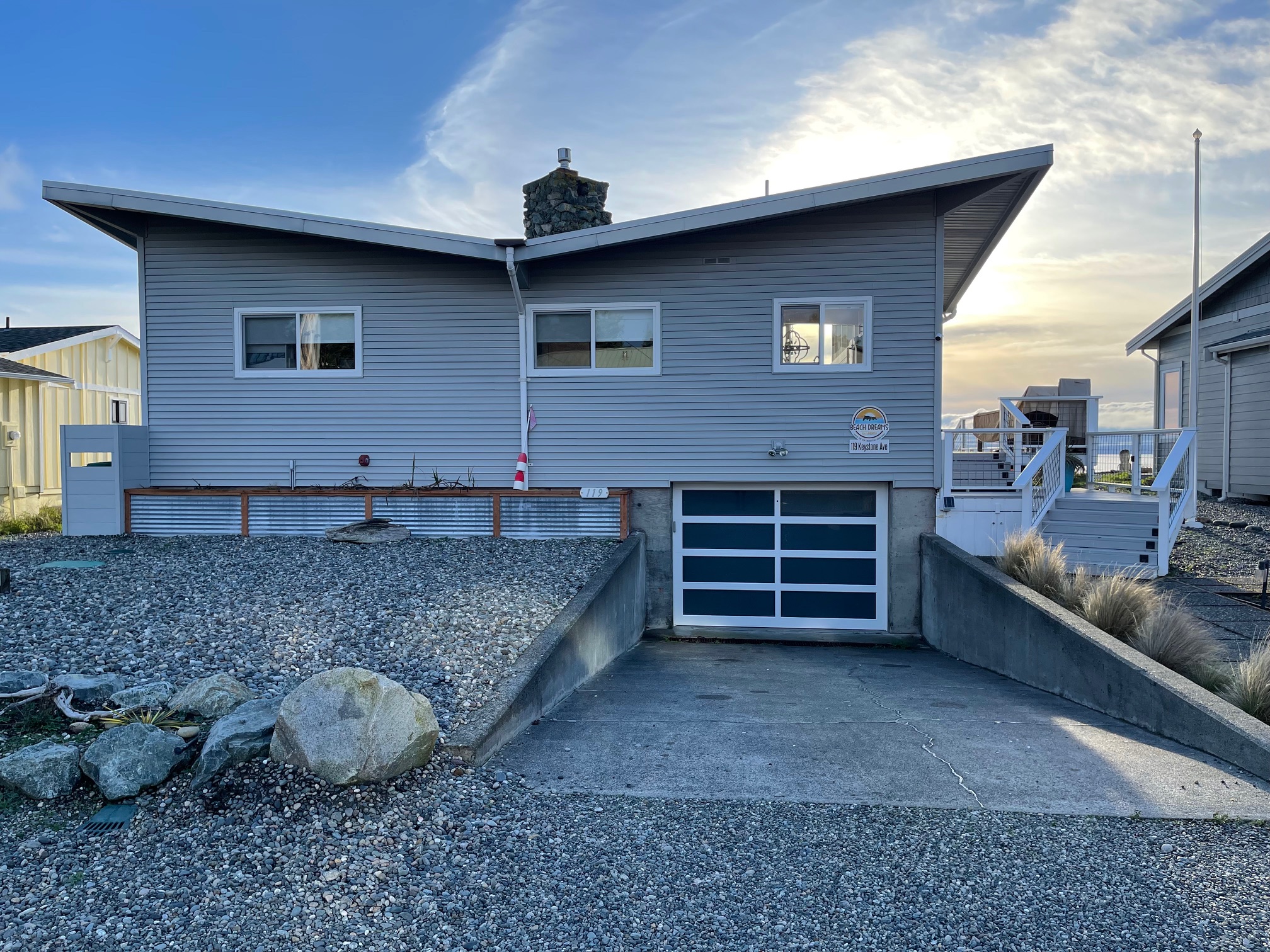
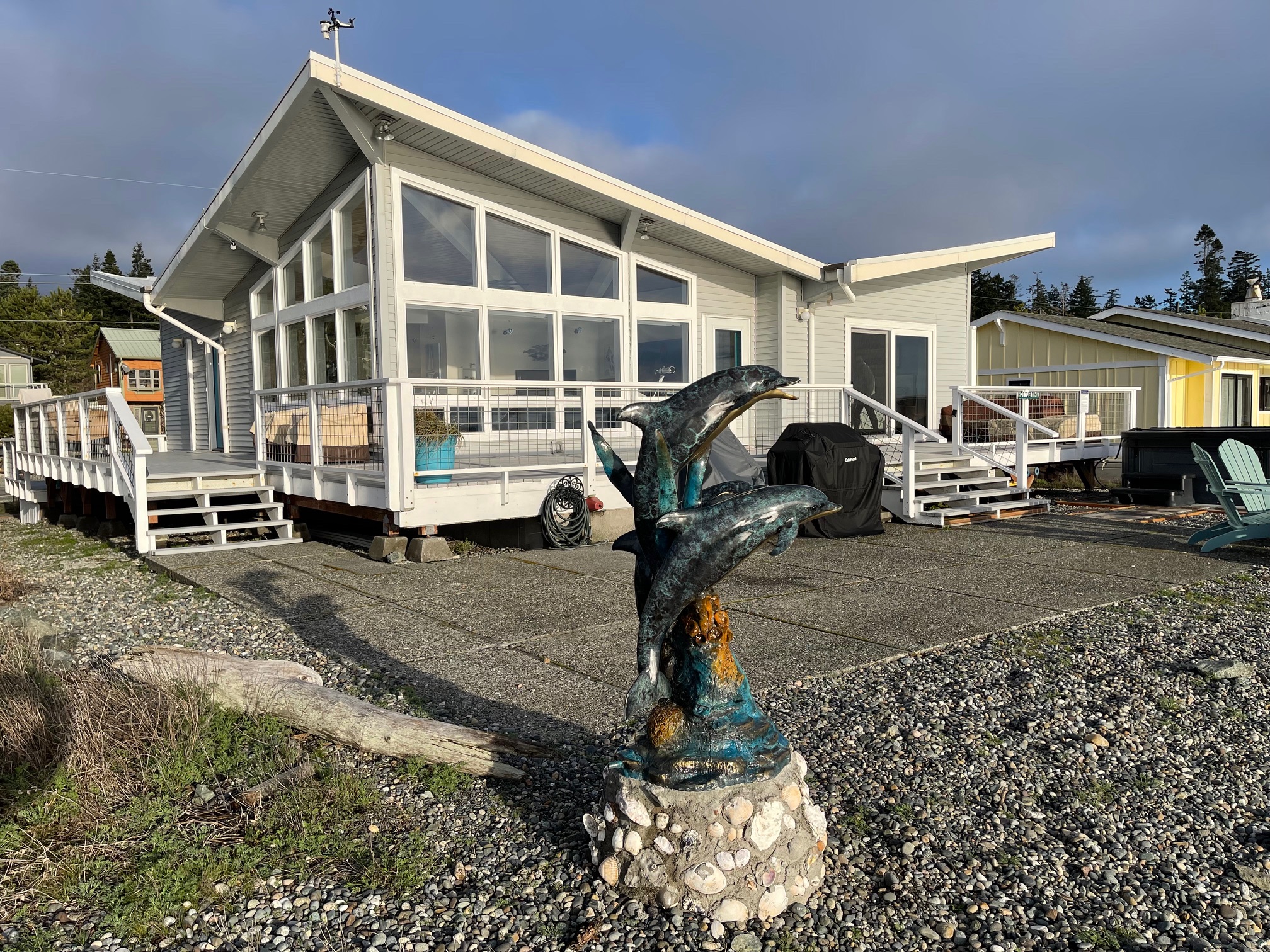
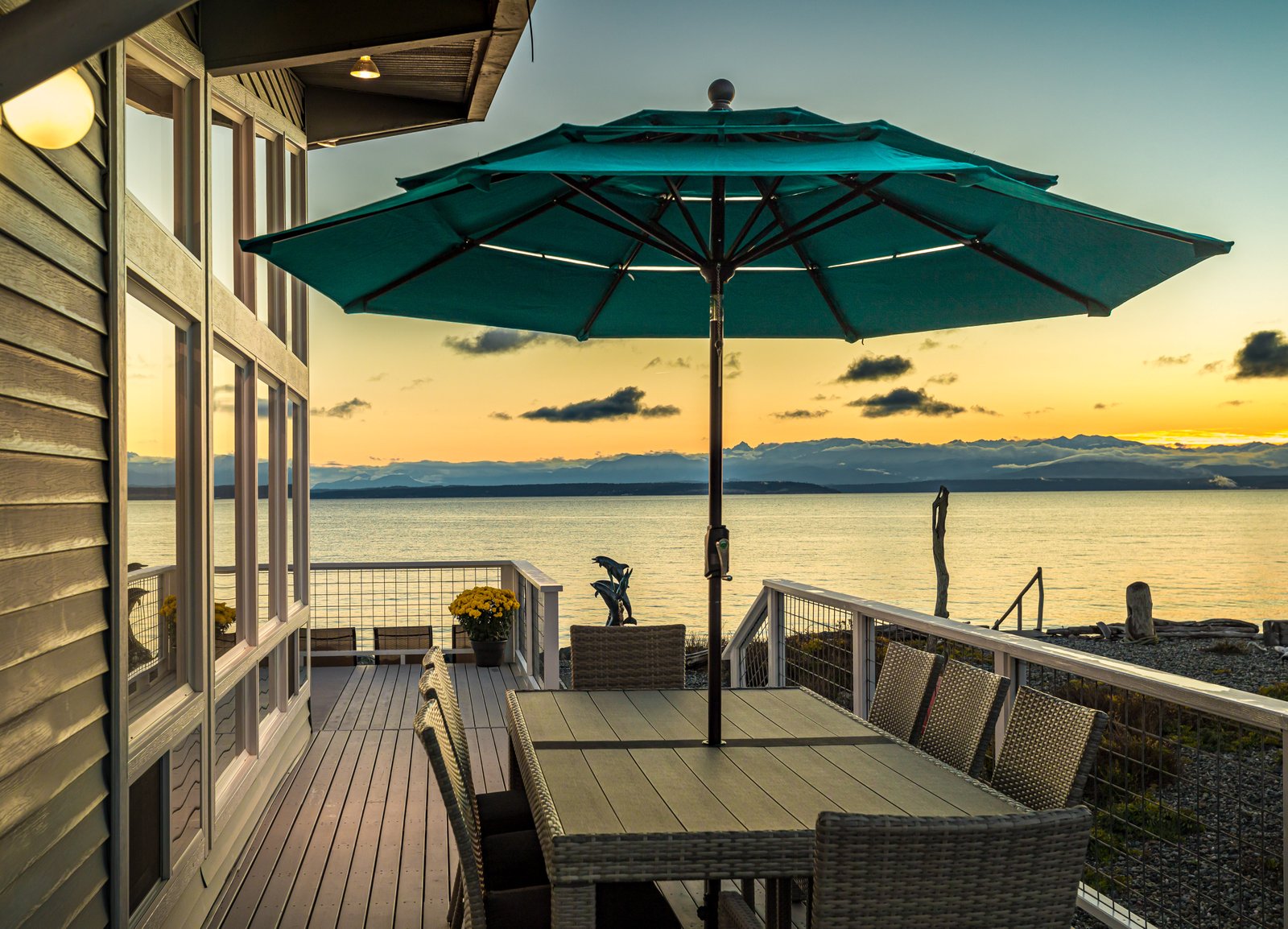
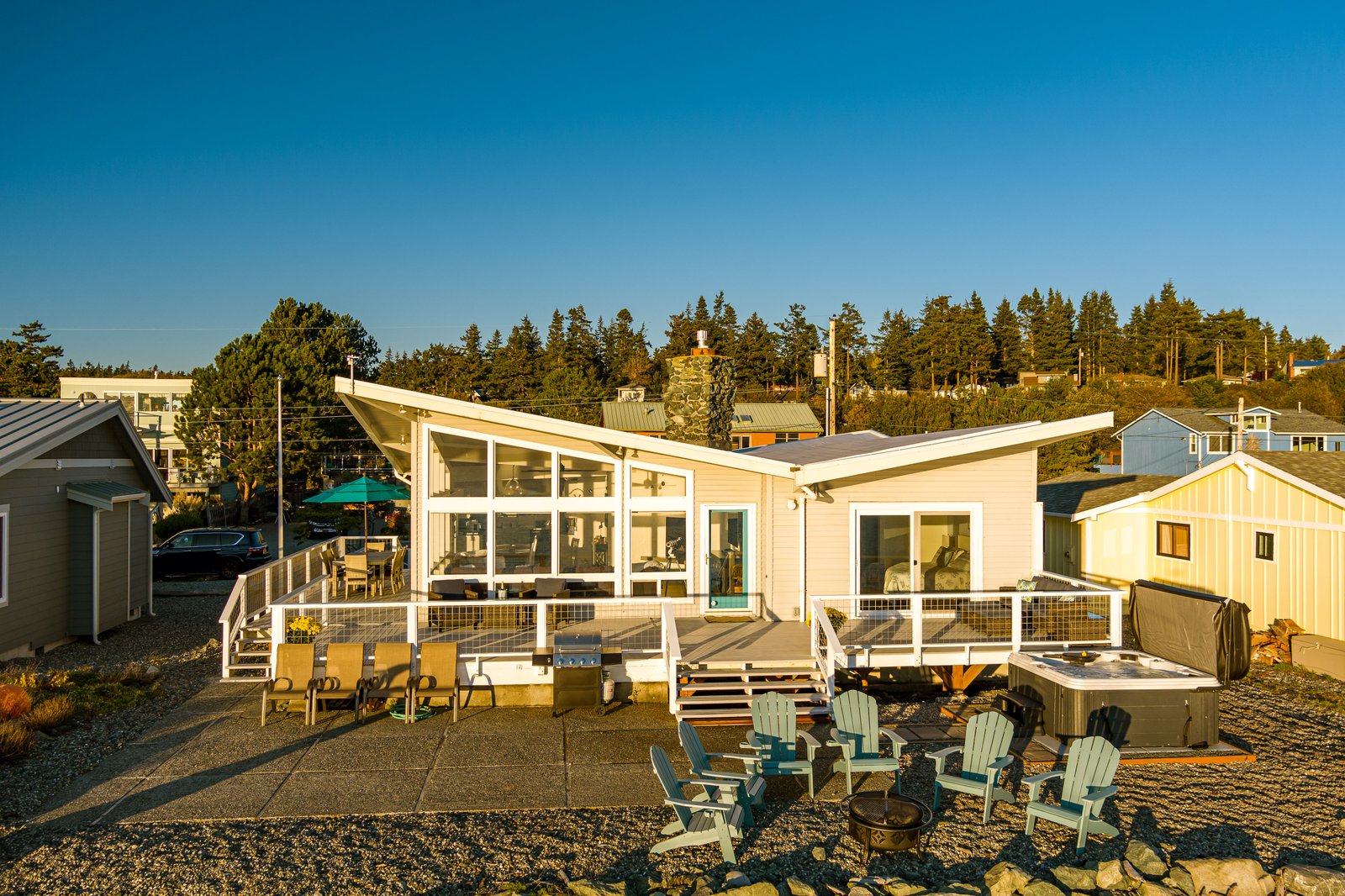
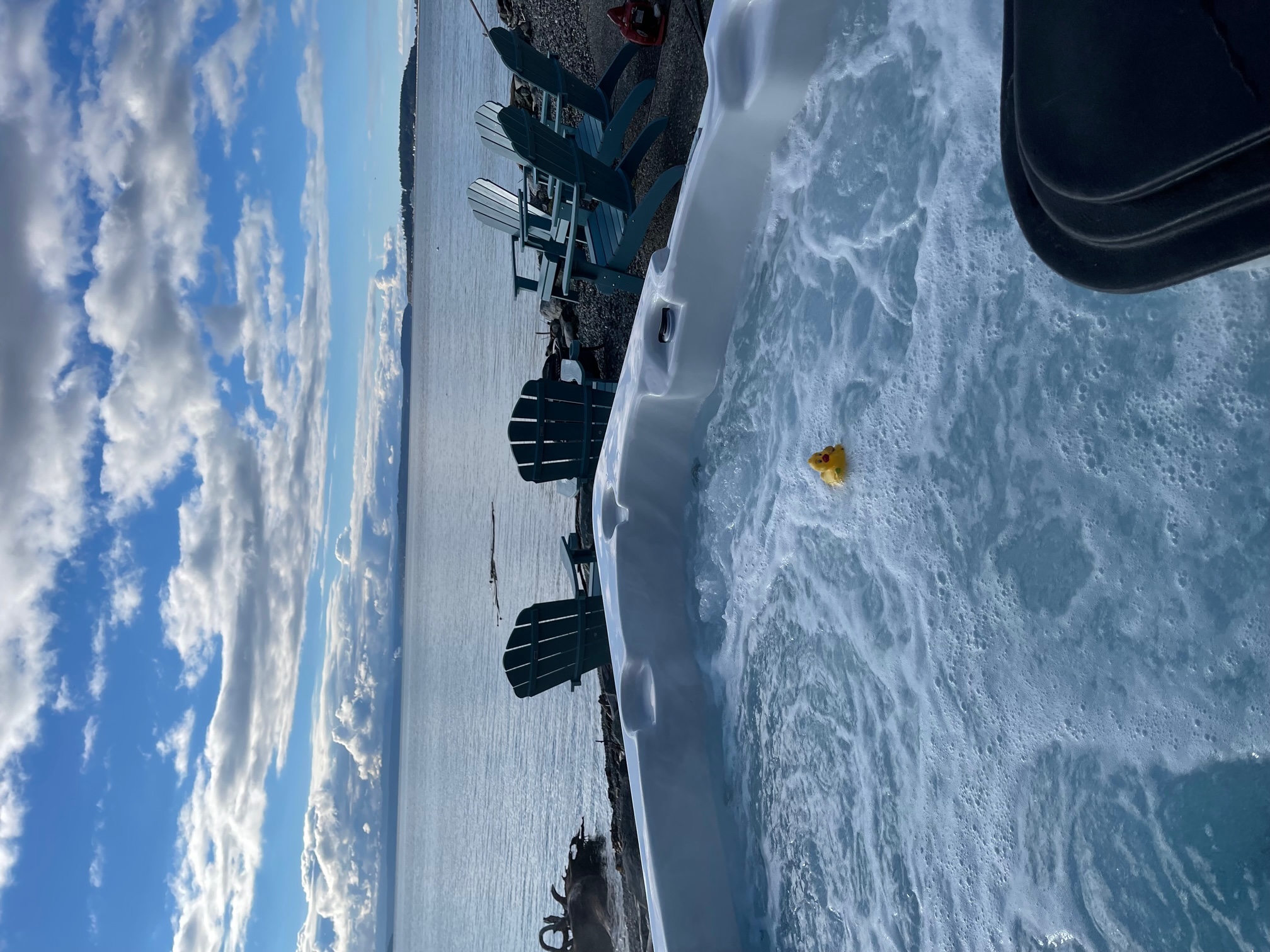
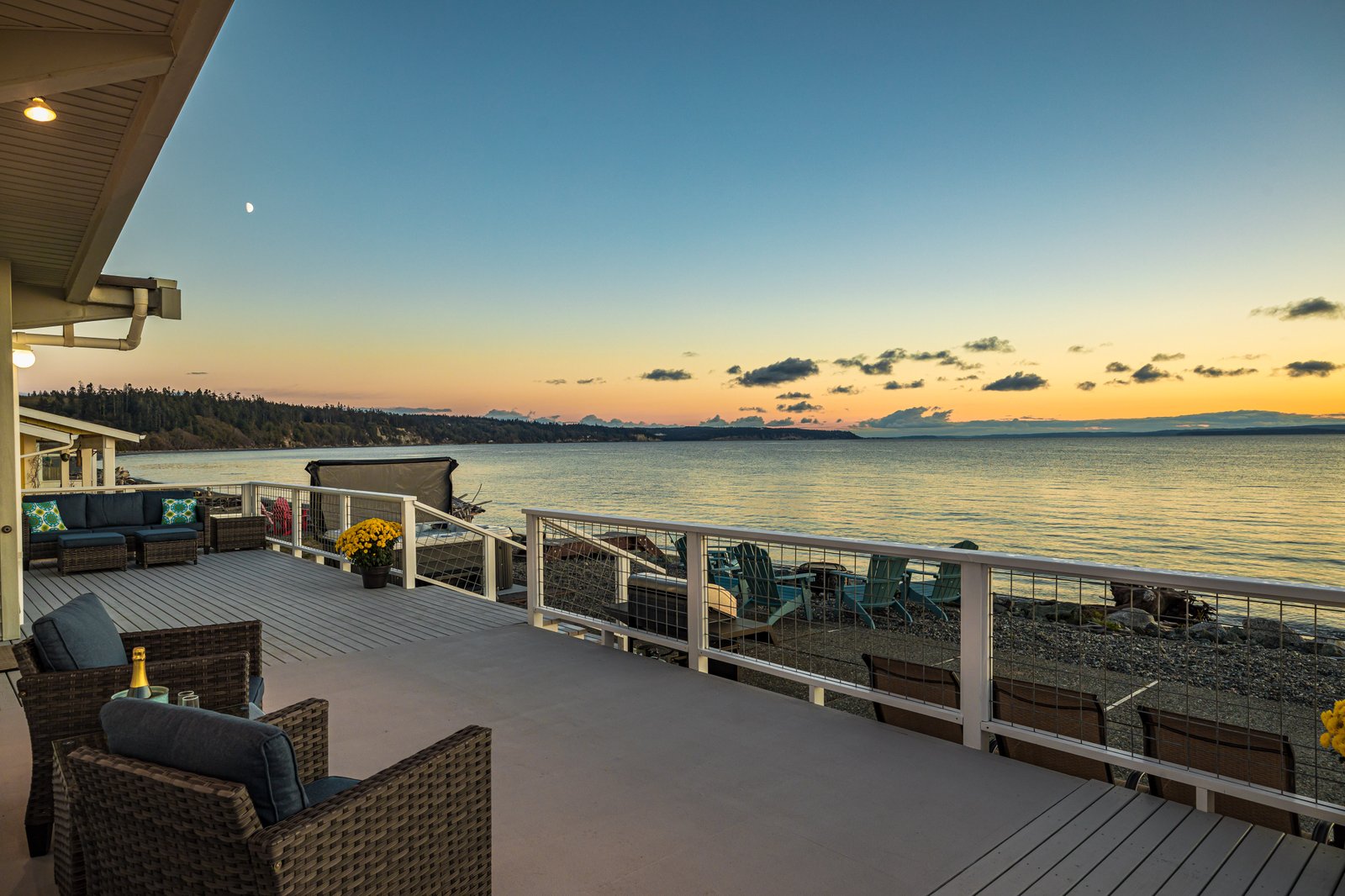
Wake up to panoramic ocean views, unwind in a private hot tub, and create memories that last a lifetime at our luxury beachfront retreat.
The weather on the water changes fast. Calm skies can shift quickly. Wind and clouds matter.
Tides affect currents and launch timing. Knowing when tides change helps prevent surprises. Preparation keeps stress low.
Checking conditions before paddling should be routine. It only takes a few minutes.
A life jacket is essential. Dress for the water temperature and wind. Comfort and safety go together.
Dry bags help protect essentials. Staying prepared feels reassuring.
Staying near shore increases safety. It also allows breaks and exploration. Beginners benefit most from this approach.
Confidence builds gradually. There is no rush.
Conditions can shift mid paddle. Turning back early is smart. Listening to instincts matters.
Safe trips end with smiles. That should always be the goal.
Many Whidbey launch spots connect to beaches. You can paddle and then explore on foot. Variety keeps things fun.
Stopping for a break helps prevent fatigue. It also lets you enjoy the surroundings. Simple moments often stand out most.
These stops pair well with the hidden beaches of Whidbey. Discovery feels personal and unplanned.
Kayaking uses more energy than expected. Hunger hits fast afterward. Planning food ahead helps.
Whidbey towns offer cafes and views. Sitting down feels rewarding. Rest completes the experience.
Good food and calm water make a great day. Would you agree?
Short routes help avoid burnout. They keep trips manageable. Enjoyment stays high.
You can always paddle farther next time. Building gradually feels better. Progress comes naturally.
Confidence grows through repetition. Short trips add up quickly.
Paddling with someone adds safety. It also makes the experience more fun as conversation passes the time.
A partner can help in unexpected situations. Shared decisions feel easier. Support matters on the water.
Even quiet paddling feels better together. Moments become memories.
Whidbey Island stays beautiful because people care. Carry out trash and belongings. Respect shared spaces.
Avoid disturbing plants and nesting areas. Small actions protect ecosystems. Everyone benefits from care.
Kayakers play a role in preservation. Responsibility comes with access.
Wildlife needs space to feel safe. Getting too close causes stress. Distance shows respect.
Avoid feeding or following animals. Observation should stay passive. Nature behaves best when left alone.
Protecting wildlife protects the experience. Balance matters.
Penn Cove and Cornet Bay are beginner-friendly. One can find quiet water, much like easy access.
Preparation is key, as is experience. Going with a partner is recommended.
Along with a life jacket, this would be all-weather suitable clothing. Water and snacks are helpful as well.
Kayaking on Whidbey Island provides a peaceful atmosphere. At the same time, it also serves as a gateway to exploring sea kayaking on Puget Sound in a way that's more relaxed. With the proper launch locations and simple safety tips, it creates a more inviting sense of kayaking. There are various moments, such as interactions with wildlife and secret beaches on Whidbey, as well as connections to more intense adventures like whale watching on Whidbey. Is it time to push off and explore?

Whidbey Island for Remote Workers: How to Plan a Productive Coastal Stay
Seattle to Whidbey Island: How to Plan an Easy Coastal Escape

Common Vacation Rental Booking Mistakes and How to Avoid Them

How to Choose the Best Beachfront Rental for Your Travel Style

What Makes a Beachfront Vacation Feel More Relaxing Than a City Break?

Planning a Birthday Getaway on Whidbey Island










.png)


.png)


.png)


.png)


.png)


.png)


