
Email: [email protected]
Email: [email protected]
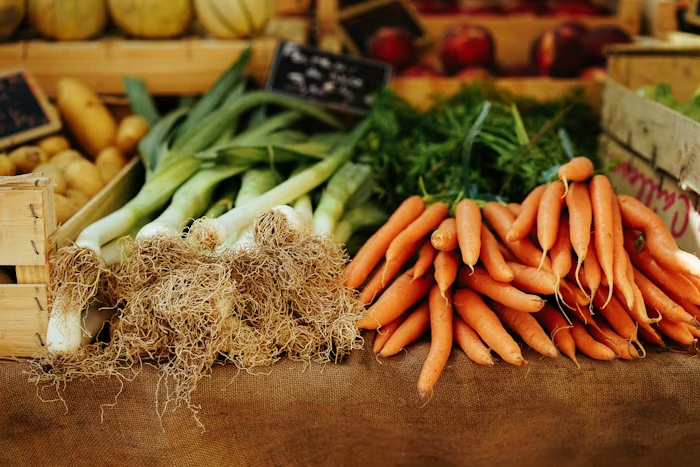
Food hits differently when it is grown nearby. You taste it, and you just know. That is what farm-to-table living feels like on Whidbey Island. It is not a buzzword here. It is everyday life.
Greenbank Farm on Whidbey plays a huge role in this culture. So does the Whidbey Island farmers' market scene. Together, they show how local food and local people stay connected. Ever wondered why locals care so much about where their food comes from? Or why visitors keep talking about the flavors. Let us dig in.
Greenbank Farm Whidbey is not just a scenic stop. It is one of the strongest symbols of local agriculture on the island. People come here to relax and learn. They also come to support farmers who work hard year-round.
This farm connects land and community in a very real way. Local growers use the space to produce food that stays on the island. That keeps money local and food fresh.
The farm also protects open land. That matters on an island where development pressure is real. By supporting Greenbank Farm Whidbey, visitors help preserve farming traditions and natural beauty at the same time. It feels good to enjoy food that supports something bigger.
The area provides numerous opportunities for discovery. People can walk through the open fields to experience complete visual access. The small shops in the area provide customers with authentic local merchandise. The local products that they create include items that use ingredients from nearby farms.
The restaurant provides basic food items that create a complete dining experience. The menu features two main options, which include fresh pastries and dishes made from local ingredients. People tend to remain in this establishment for extended periods beyond their initial intentions. The space provides children with enjoyment while adults experience peacefulness. The establishment maintains an uncommon aspect of equilibrium.
The Whidbey Island farmers’ market brings the farm to the people. Farmers and shoppers establish direct contact at this location. The link between people transforms their shopping patterns and their dining habits.
Markets here display a complete range of colorful products that show multiple options. The market displays fresh produce as its main attraction. The market presents you with fresh seasonal fruits and vegetables that farmers harvested only hours ago.
The market offers both baked goods and handmade food products. Every product in the market carries its own unique background. The vendors will show customers how their products are created through a demonstration. The shopping experience becomes customized through interaction with vendors who explain their products.
Local residents trust the market because they trust the people who operate the market. The locals understand the complete process that brings their food to the market. The locals develop trust, which transforms into permanent loyalty.
The market serves as a social space. Friends create time to meet each other and share conversations. While their parents shop, kids enjoy snacks. The space operates like a social gathering point instead of an essential shopping location. People return to the market because it provides them with a satisfying experience.
The farm-to-table concept extends beyond market boundaries. Restaurants across Whidbey Island build menus around local availability. The approach maintains freshness by providing customers with new experiences.
Chefs plan dishes based on what farms can provide. This results in frequent menu updates. The restaurant kitchen prepares different vegetables and seafood items according to the time of year.
Farmers benefit from this method, which creates better products for customers. The ingredients require shorter transportation distances, which results in longer freshness durations. The dishes display genuine authenticity because the chef has prepared them with careful thought. The chef has dedicated time to creating a dish that shows through every bite customers take.
Visitors often say meals feel lighter and more flavorful. The reason for this is that food undergoes processing and transportation between distant locations.
Dining becomes part of the island experience. Your actions go beyond eating. Your actions establish for you a connection to the local community. This creates dining experiences that people remember.
Whidbey Island provides simple options for creating a day dedicated to food. The area provides convenient access to all locations while maintaining a peaceful atmosphere.
You never feel rushed.
The day begins at Greenbank Farm, Whidbey, when visitors begin their day. The visitors should walk through the entire property, which provides them with beautiful scenery. People should order coffee together with the fresh food items that they want to consume.
The atmosphere at this location creates a state of tranquility. The location allows you to observe birds and fields while you listen to their sounds without any car sounds. The process establishes the daily rhythm that enables you to begin your day.
The people will visit the farmers' market, which operates on Whidbey Island, in the afternoon. The visitors should take their time to see all the different booths that exist at the market. The visitors should approach the staff with their inquiries while testing the available products.
Markets reward curiosity. You discover new flavors and meet interesting people. The experience serves as one of the most effective methods to learn about the island.
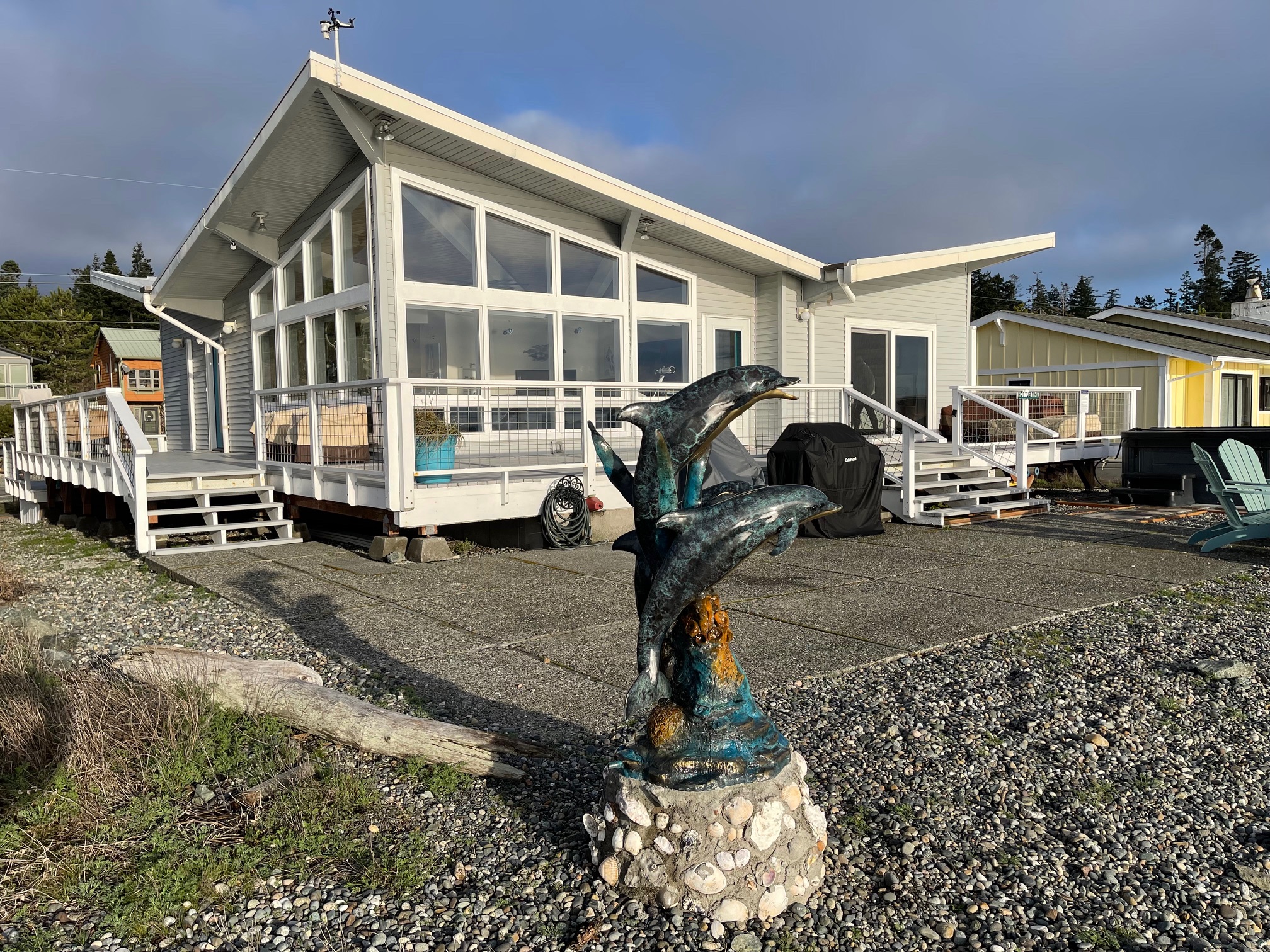
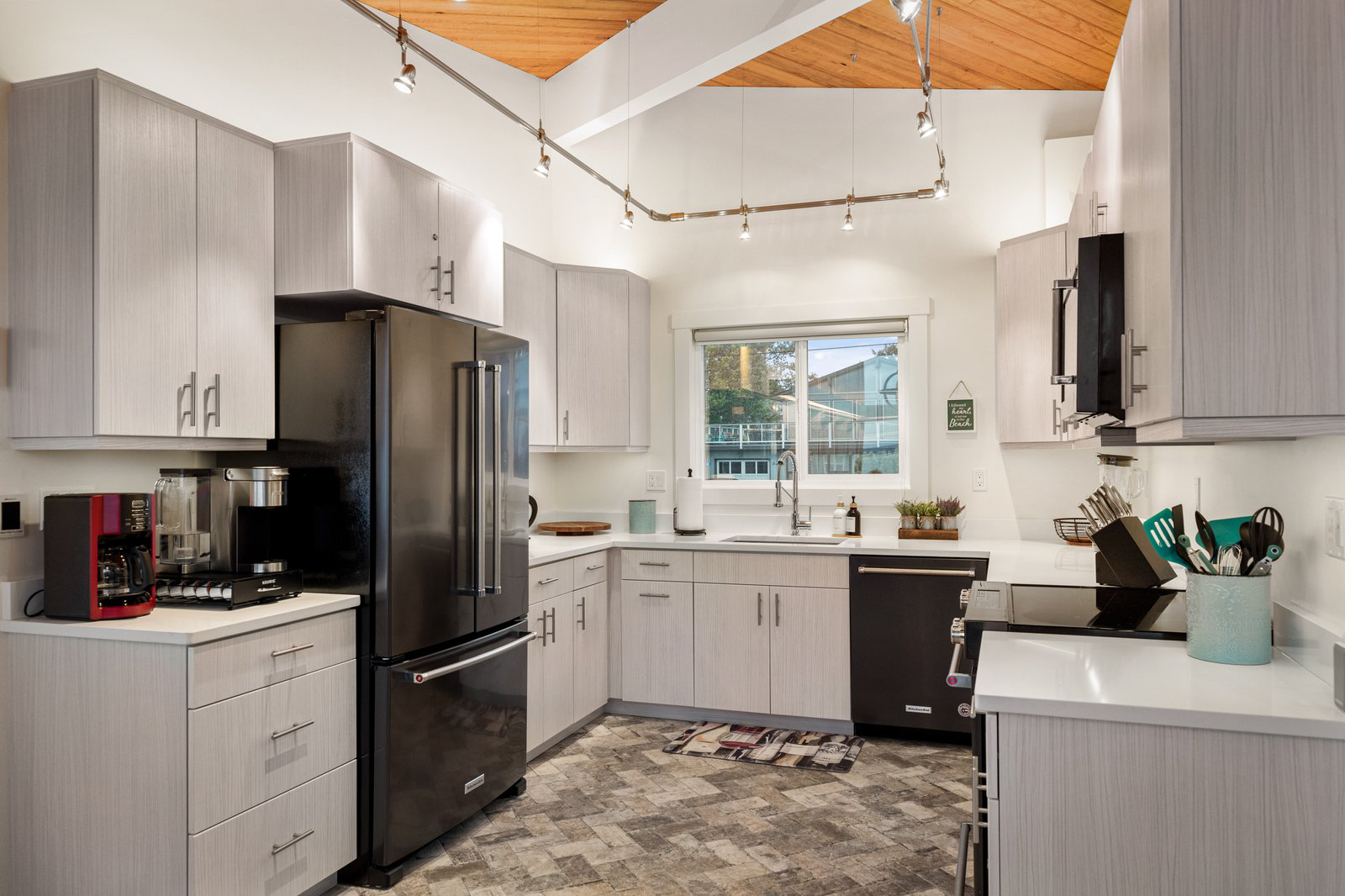
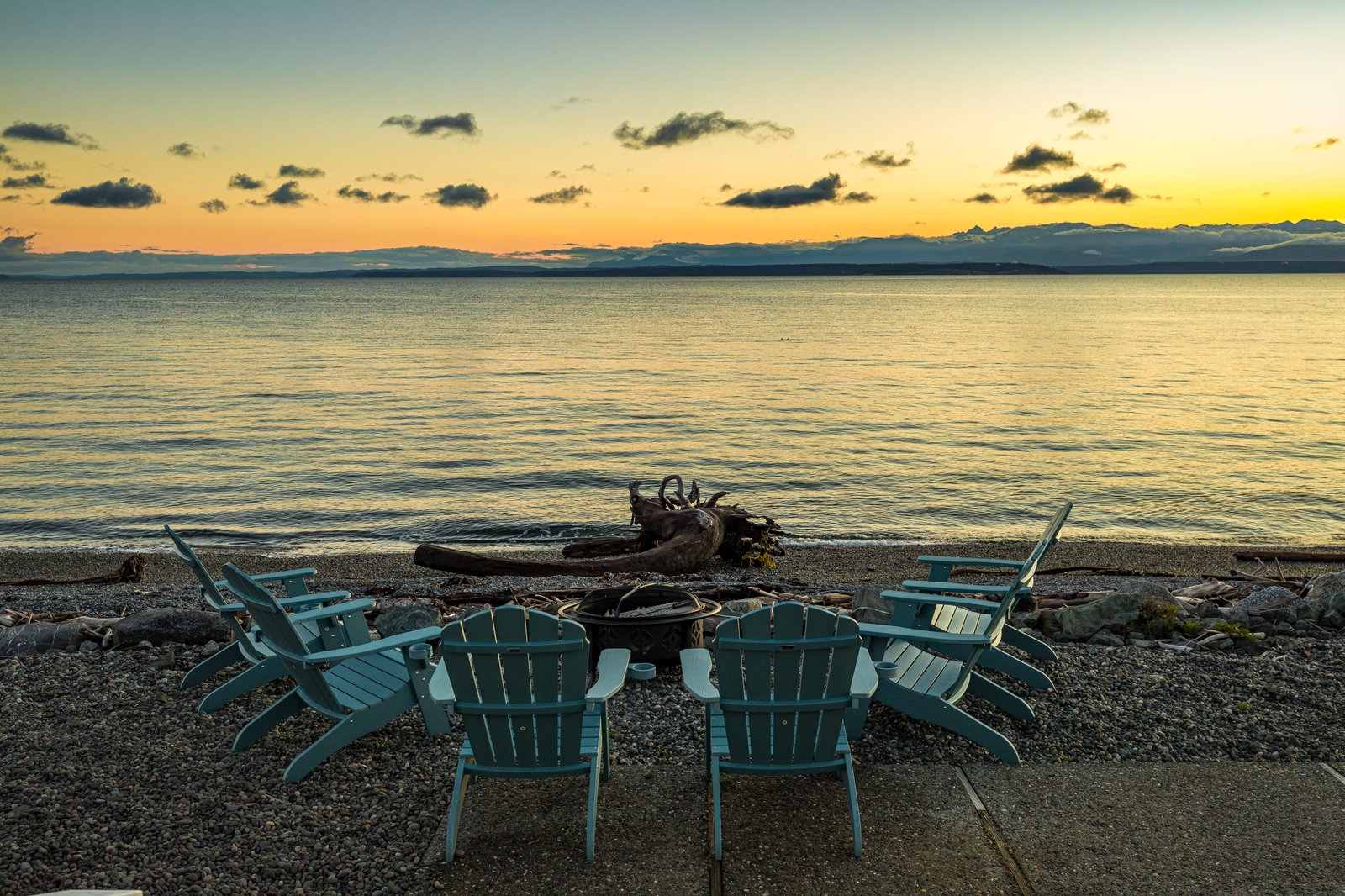
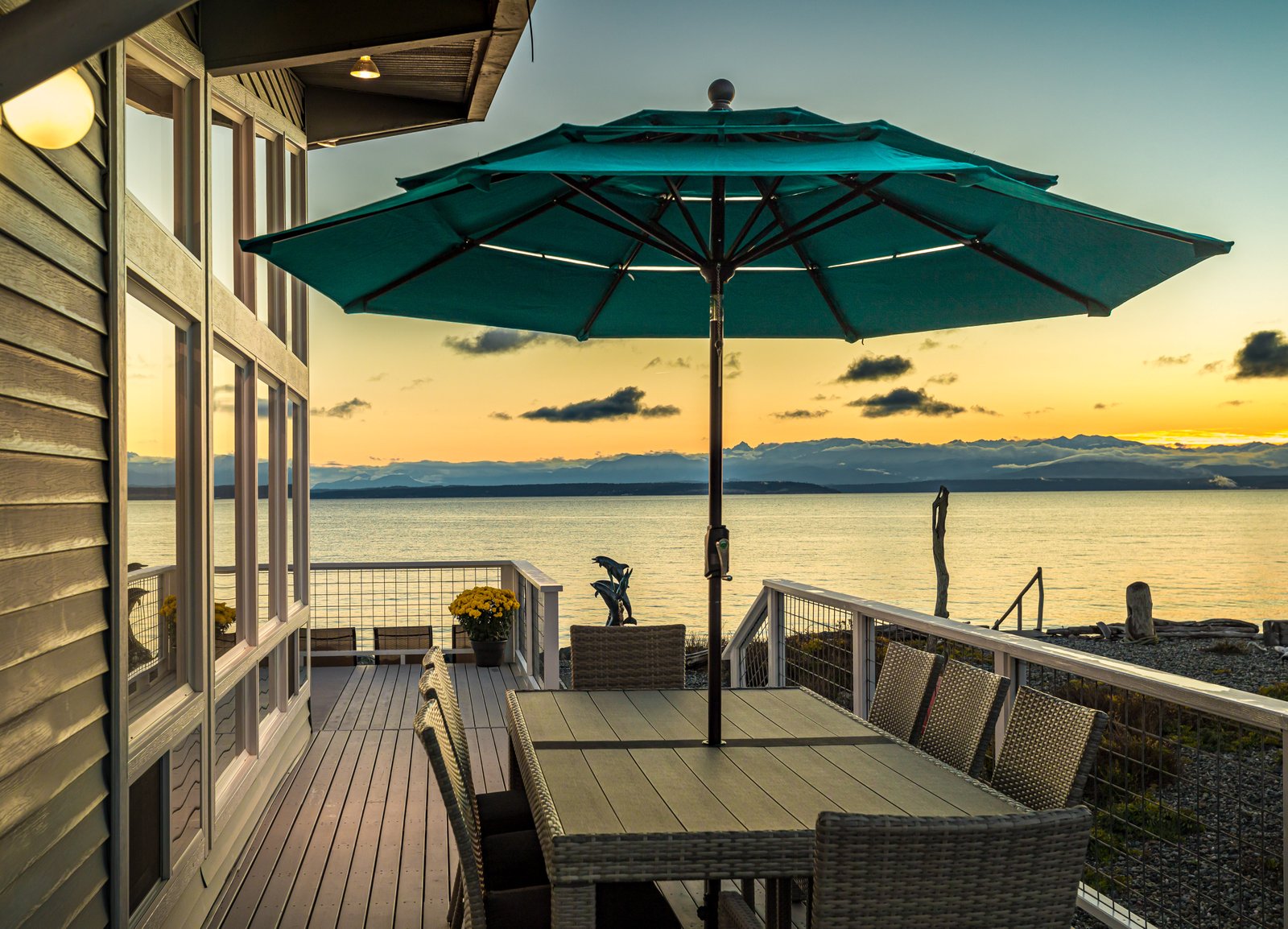
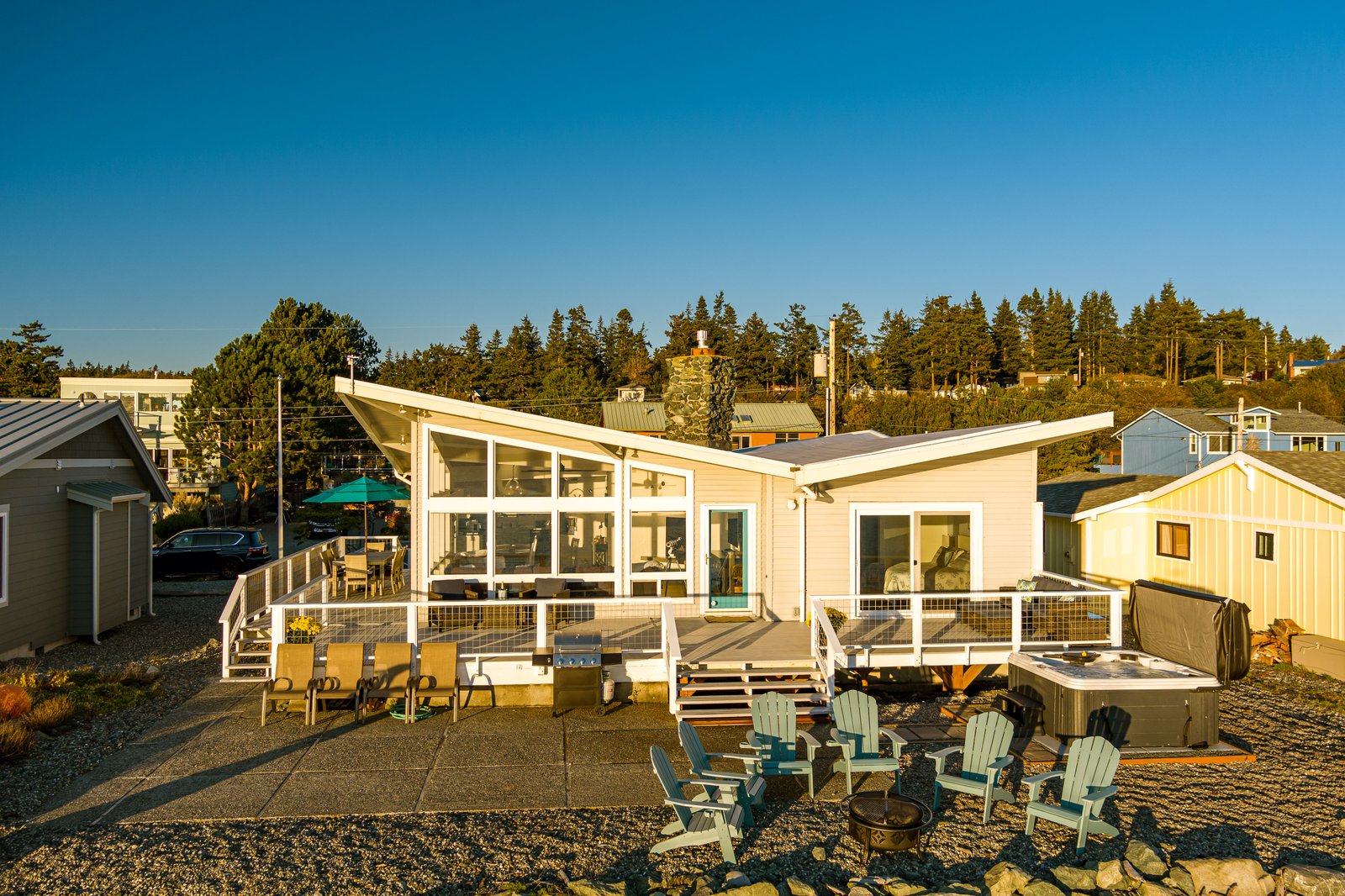
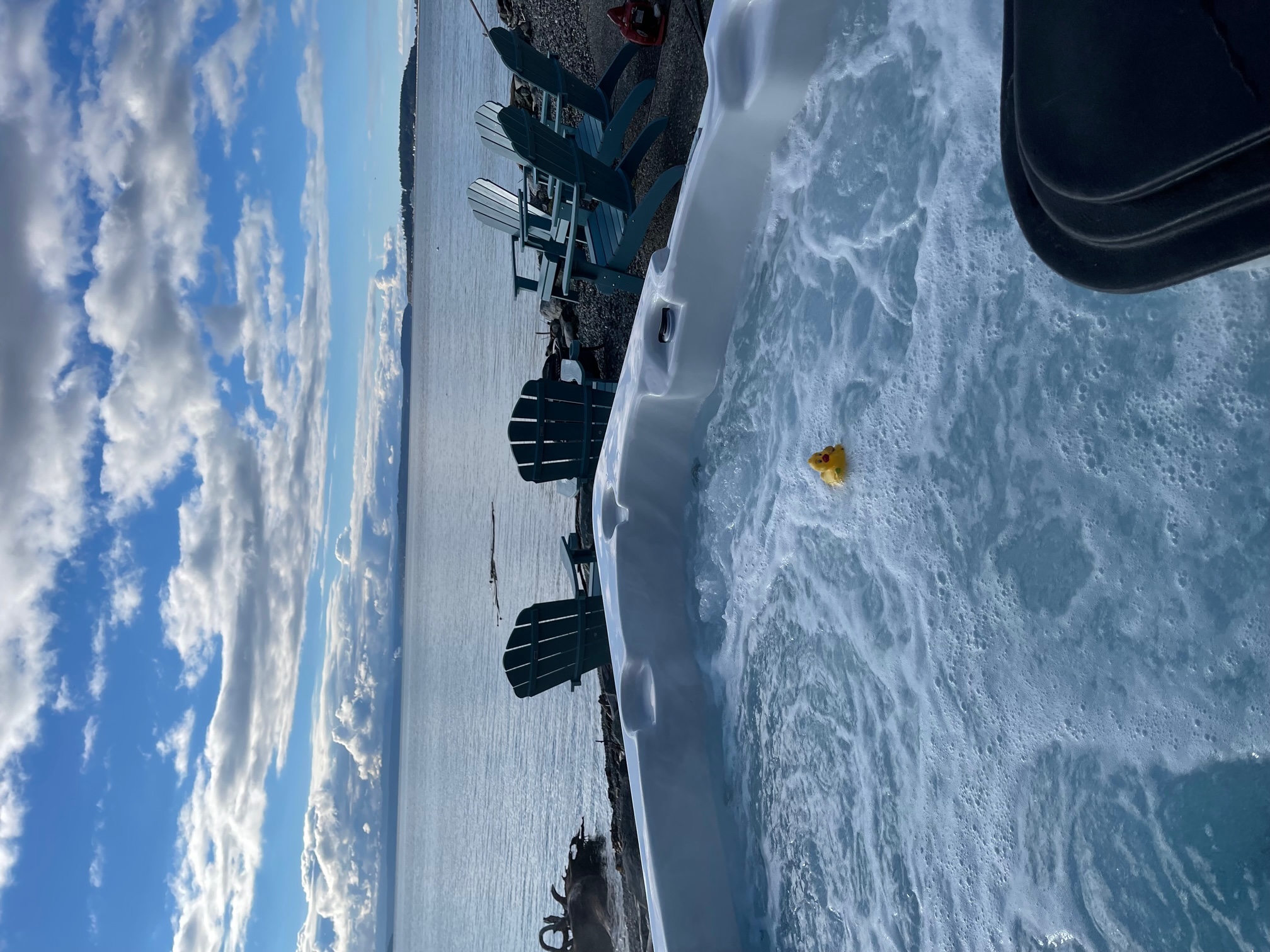
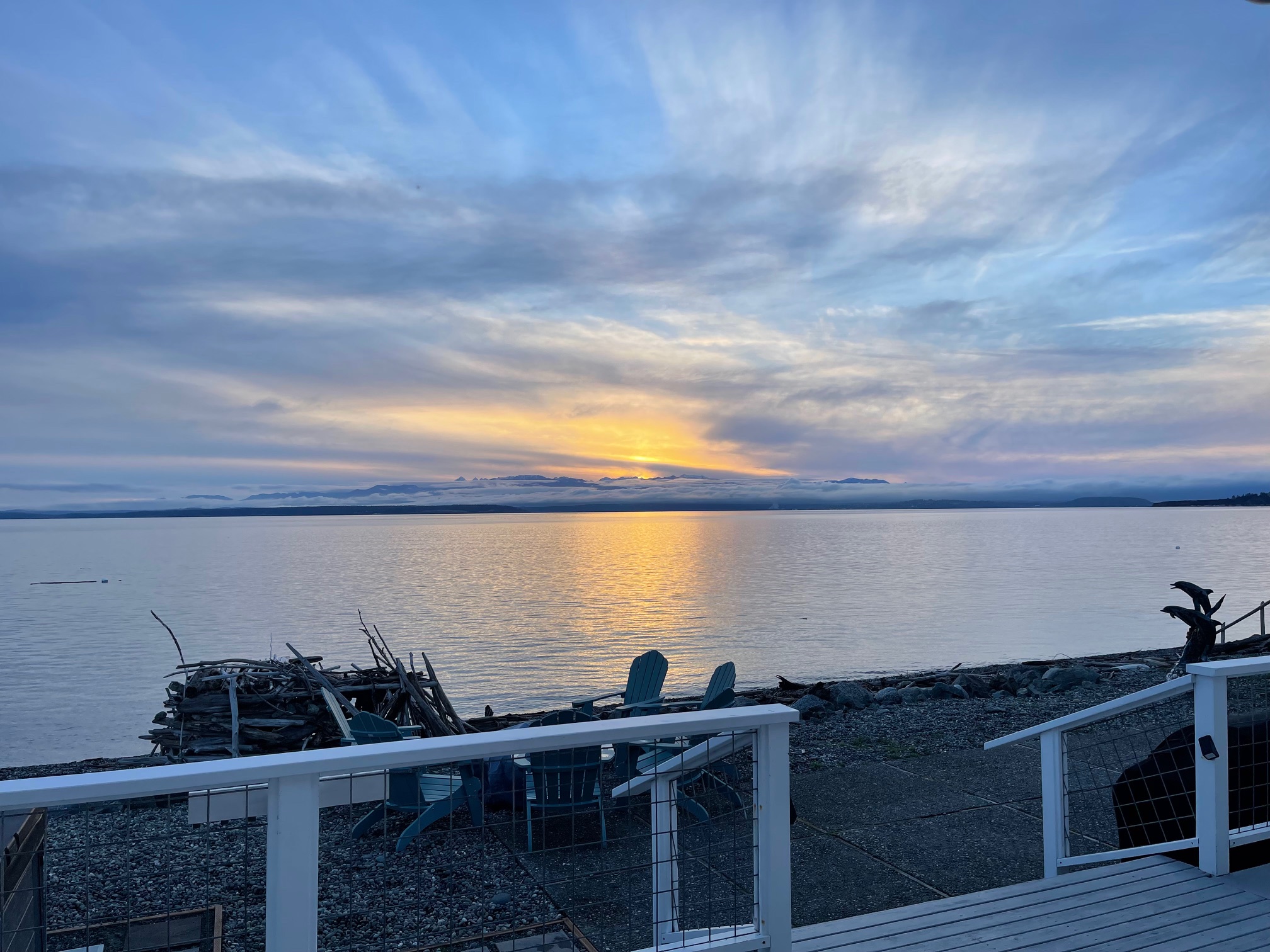
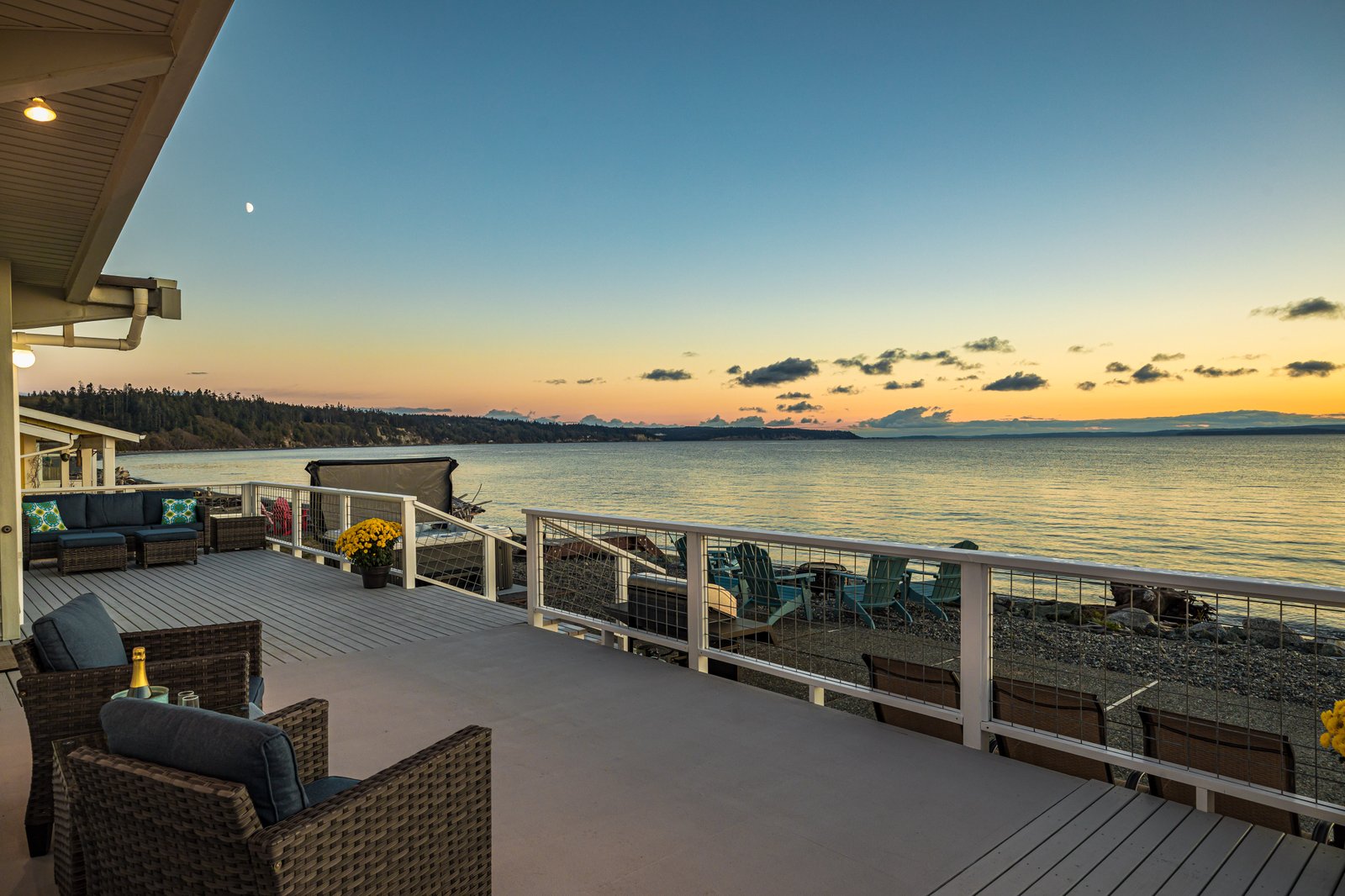
Wake up to panoramic ocean views, unwind in a private hot tub, and create memories that last a lifetime at our luxury beachfront retreat.
The practice of purchasing from local sources has become an established custom in this area. The local community treats its purchasing duty as an essential duty that it dedicates itself to fulfilling.
The local agricultural system receives direct support from each item you purchase. The system aids in maintaining agricultural land while sustaining job opportunities for residents.
The system promotes environmentally friendly methods of operation. Farmers who operate on small farms apply reduced chemical usage while implementing superior land management methods.
That benefits everyone.
Visitors play a role too. Shopping local sends a strong message. It tells farmers their work matters.
Sharing your experience helps as well. Word of mouth keeps these traditions alive.
The farm-to-table movement on Whidbey Island succeeds because its residents demonstrate commitment to their work. Farmers and shoppers maintain their relationship through basic methods of assistance. The community maintains its strength through its combined efforts.
Farmers establish direct sales relationships with specific families who buy from them every week. Customers establish trust through the process of becoming acquainted with each other. Customers recognize the farmers responsible for their food production, while farmers identify their food consumers.
Farmers build high-quality products through their accountable systems. Farmers create their products with quality and dedication. Buyers use existing stock only to fulfill their demand during specific seasonal times. The relationship between the two parties establishes mutual trust, which replaces standard business practice.
Greenbank Farm Whidbey presents events that educate visitors about agricultural practices and food production processes. The events include both workshops and seasonal community celebrations. The events provide public access to actual farming operations.
Children discover the origins of their food. Adults develop cooking skills and learn effective agricultural practices. The community gains understanding of local agricultural practices and the efforts required to achieve them through these events.
The Whidbey Island community achieves sustainable development through its farm-to-table practices. The practices create land protection while decreasing waste production. The protection of these resources will benefit upcoming generations.
Local food travels less. That means fewer emissions and fresher ingredients. People who purchase products directly from farmers create less packaging waste.
Small farms establish their main focus on developing beneficial soil conditions and maintaining diverse plant species. The system maintains its productive capacity through this process. Eating local food becomes both an environmental decision and a personal choice.
The Whidbey Island farmers’ market functions as the primary institution that maintains agricultural traditions. It provides an entry point for new farmers to begin their agricultural work. It also keeps older traditions relevant.
Visitors help sustain this system when they choose local food. Every purchase supports a future where farming stays part of island life.
Farm-to-table on Whidbey Island feels genuine because it is not forced. It grows naturally from the community and landscape.
People are not chasing trends. They are protecting what works. That authenticity is what visitors notice most and remember long after their trip ends.
Greenbank Farm Whidbey brings together fresh food and local culture. The location provides access to both seasonal produce and artisan products. The system enables visitors to establish connections with farmers while learning about regional agricultural practices.
The peak activity period at most Whidbey Island farmers’ market locations extends from late spring through early autumn. This time period provides the maximum product assortment, which maintains its highest level of freshness. The hours of early morning present visitors with the most extensive product choices, together with a peaceful shopping environment.
Smart choices lead to affordable dining options because all dining options remain within budget. The practice of purchasing seasonal products through direct market shopping leads to reduced expenses. The customer receives superior value through purchasing seasonal products from markets because they obtain higher quality and fresher items.
The farm-to-table dining experience at Whidbey Island delivers an authentic and inviting atmosphere. Greenbank Farm on Whidbey demonstrates how land and community work together. The Whidbey Island farmers’ market transforms local food into a communal experience.
This establishment provides food that delivers both substantial meaning and delightful taste. You should take your time here to enjoy the local food. The experience will create a lasting impact on you that continues after your departure.
After a day of exploring Whidbey Island, come home to comfort by the sea. View our available vacation rentals here.
Whidbey Island for Remote Workers: How to Plan a Productive Coastal Stay

Seattle to Whidbey Island: How to Plan an Easy Coastal Escape

Common Vacation Rental Booking Mistakes and How to Avoid Them
How to Choose the Best Beachfront Rental for Your Travel Style

What Makes a Beachfront Vacation Feel More Relaxing Than a City Break?

Planning a Birthday Getaway on Whidbey Island










.png)


.png)


.png)


.png)


.png)


.png)


