
Email: [email protected]
Email: [email protected]
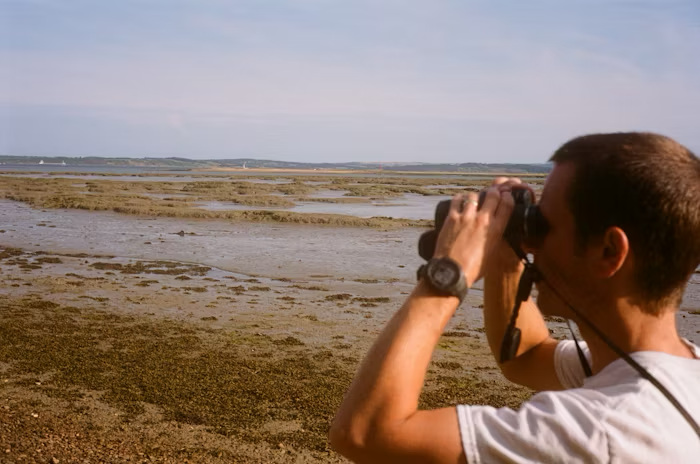
Birdwatching on Whidbey Island is one of those activities that people think will be peaceful and straightforward, but it ends up developing into an addiction.
The heron appears silently, yet you begin to point your finger at the sky. Whidbey Island bird watching attracts beginners and serious birders for one big reason. The island provides different types of birds and multiple watching locations.
With forests and beaches side by side, birds on Whidbey Island show up in every season. Some stay year-round, and others stop by during migration. You do not need fancy gear or expert knowledge. You just need curiosity and a little patience.
This guide walks you through the best places and seasons. It also helps you enjoy birdwatching without stress or pressure. Ready to look up more often?
Whidbey Island bird watching feels different from many other places. The island sits right along major migration routes. This means birds appear here that you might not see elsewhere.
Whidbey Island offers forests and wetlands in close range. It also offers open water and farmland. Birds love options, and this island gives them many.
You can see seabirds near the shore and songbirds in wooded areas. This mix keeps birdwatching exciting and unpredictable.
Birdwatching here does not require long hikes or special permits. Many popular spots are close to parking areas. This makes it perfect for families and casual visitors.
You can bring kids and grandparents. Everyone still gets a good view.
Ebeys Landing is a favorite for a reason. Open fields meet coastal cliffs here. Birds love both spaces.
You can spot hawks soaring above and shorebirds below. Early morning works best for activity and light.
Deception Pass feels dramatic and busy. Birds seem to love it anyway.
Look for seabirds near the water and forest birds along the trails. Bring binoculars and patience.
These wetlands are prime birdwatching zones. Waterfowl and shorebirds gather here in large numbers.
Spring and fall migrations bring the widest variety. You may want to bring a notebook.
Spring is loud and busy in the bird world. Migratory birds return and start nesting.
Birds on Whidbey Island appear in bright colors. Songs fill the air, and spotting becomes easier.
Summer birdwatching feels slower. Many birds settle into routine.
This is the best time to watch behavior. Feeding and nesting offer great learning moments.
Fall often gets overlooked. It should not.
Migrating birds stop to rest and feed. This brings rare sightings and large flocks.
Winter birdwatching is quiet and peaceful. Fewer people and steady bird populations make spotting easier.
You can see waterfowl and raptors in larger numbers. Dress warm and enjoy the calm.
You do not need expensive equipment. Binoculars and curiosity are enough.
Start slow and focus on one area at a time. You will see more that way.
You do not need to know names right away. Watch movement and behavior first.
Over time, patterns become clear. Learning feels natural.
Stay on trails and keep a distance. Birds need calm and space.
Quiet observation always brings better results.
Common Birds on Whidbey Island
You will often see bald eagles and great blue herons. Crows and gulls are everywhere, too.
These birds are part of daily island life. They never get boring.
Snow geese and shorebirds pass through during migration. Warblers show up in spring.
Each season brings surprises and small rewards.
Birdwatching slows you down. It helps you notice details and patterns.
Whidbey Island bird watching adds fresh air and movement. It feels like a reset button for the mind.
You may arrive stressed. You often leave smiling.
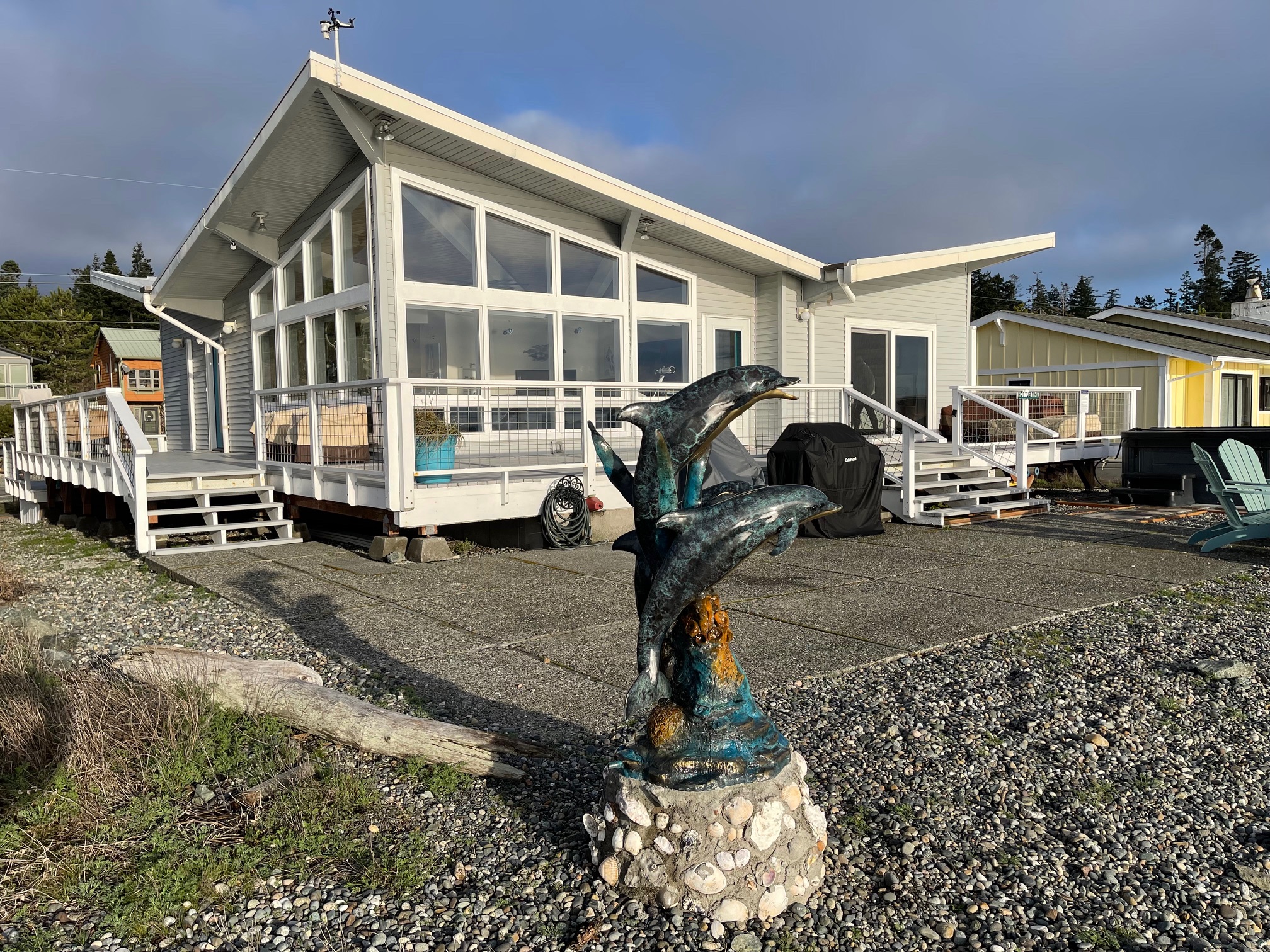
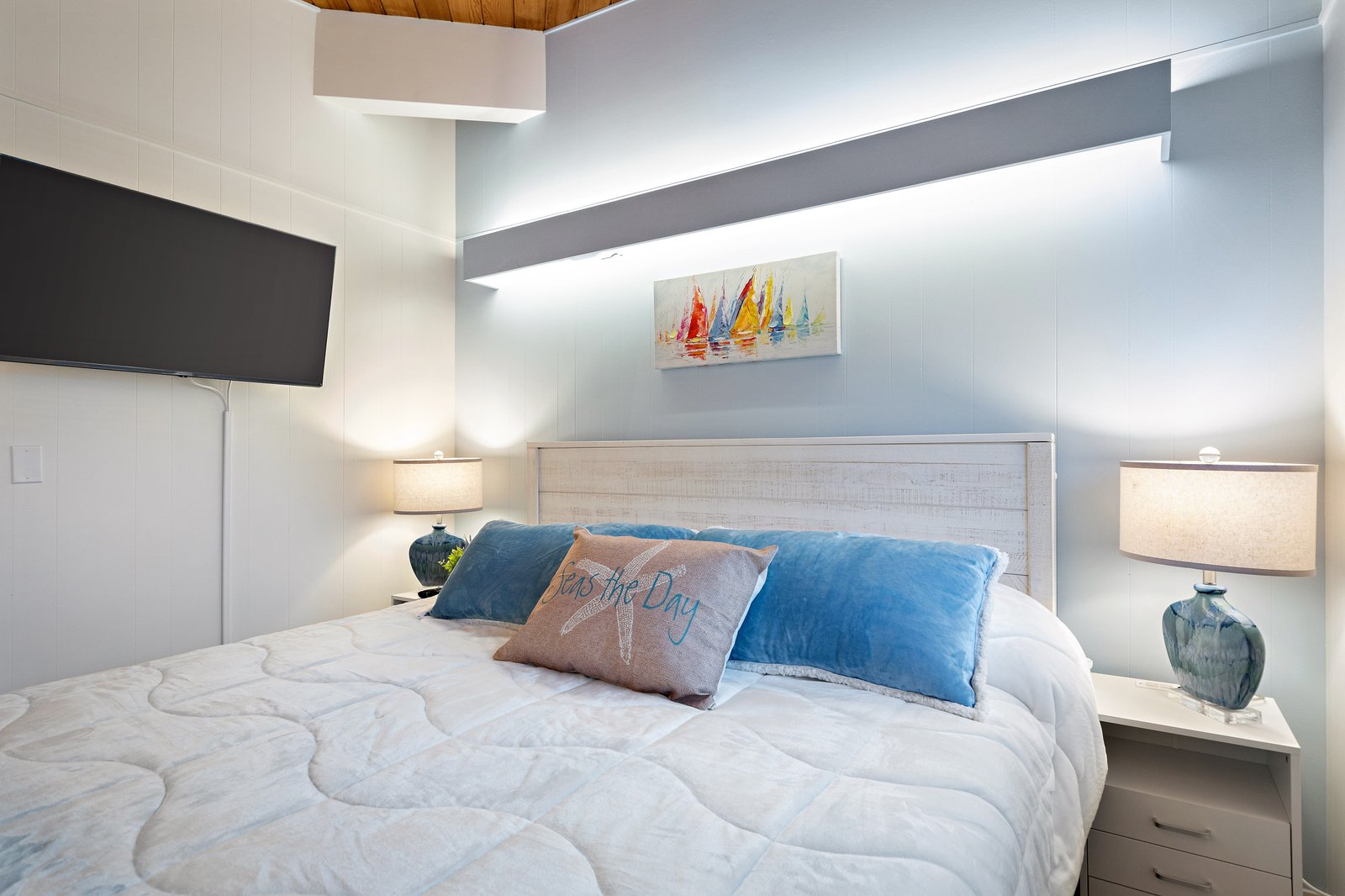
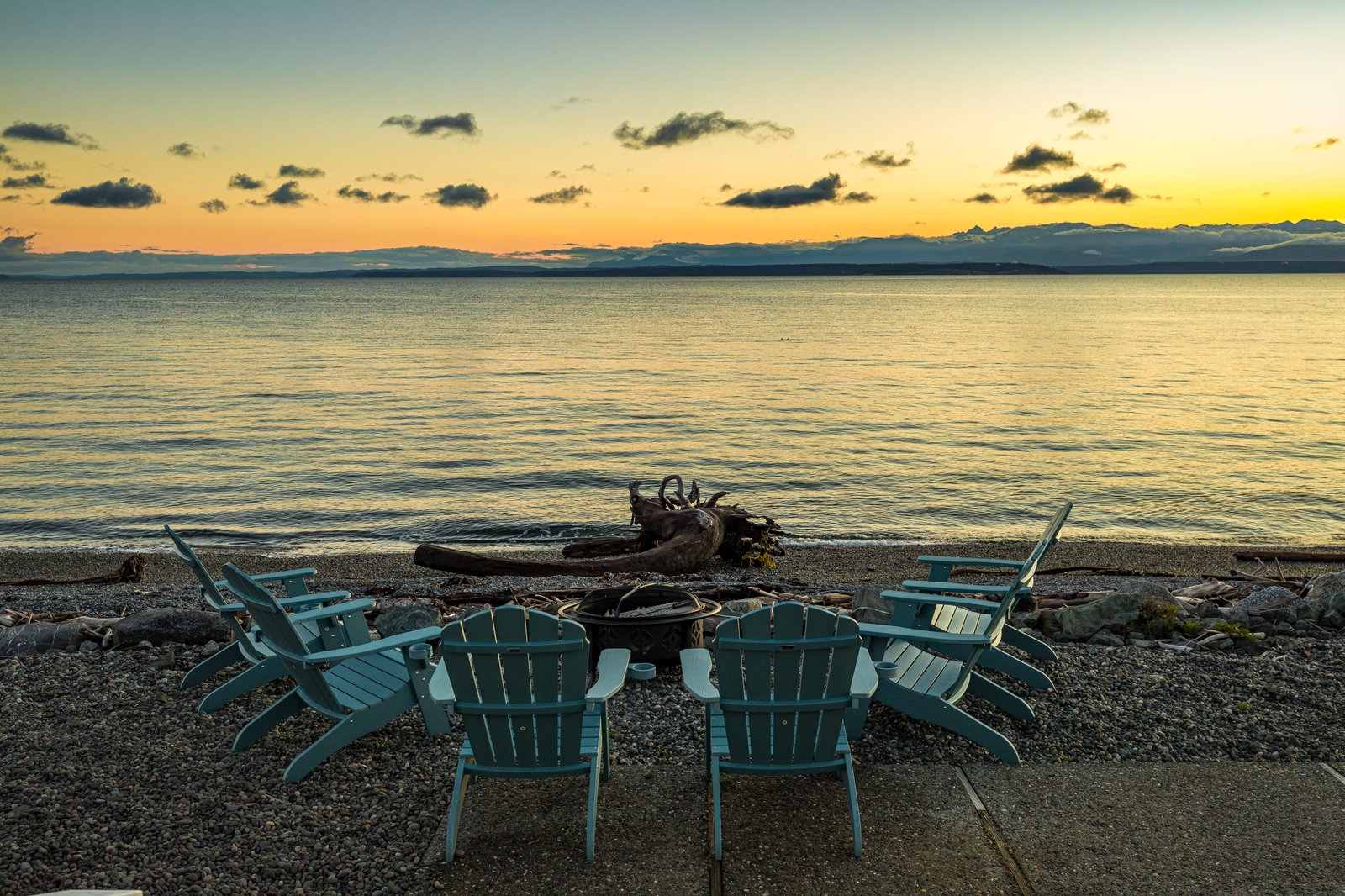
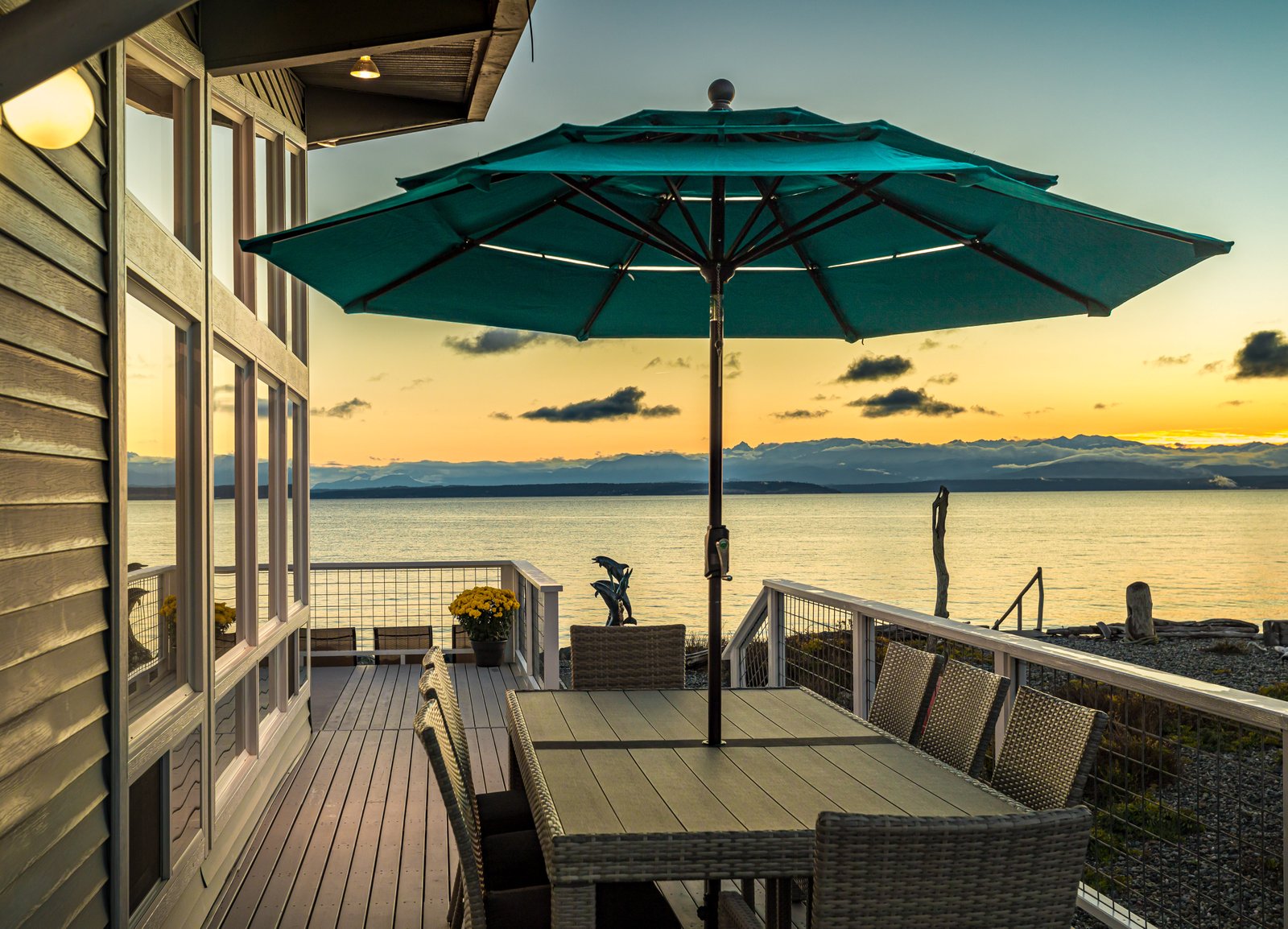
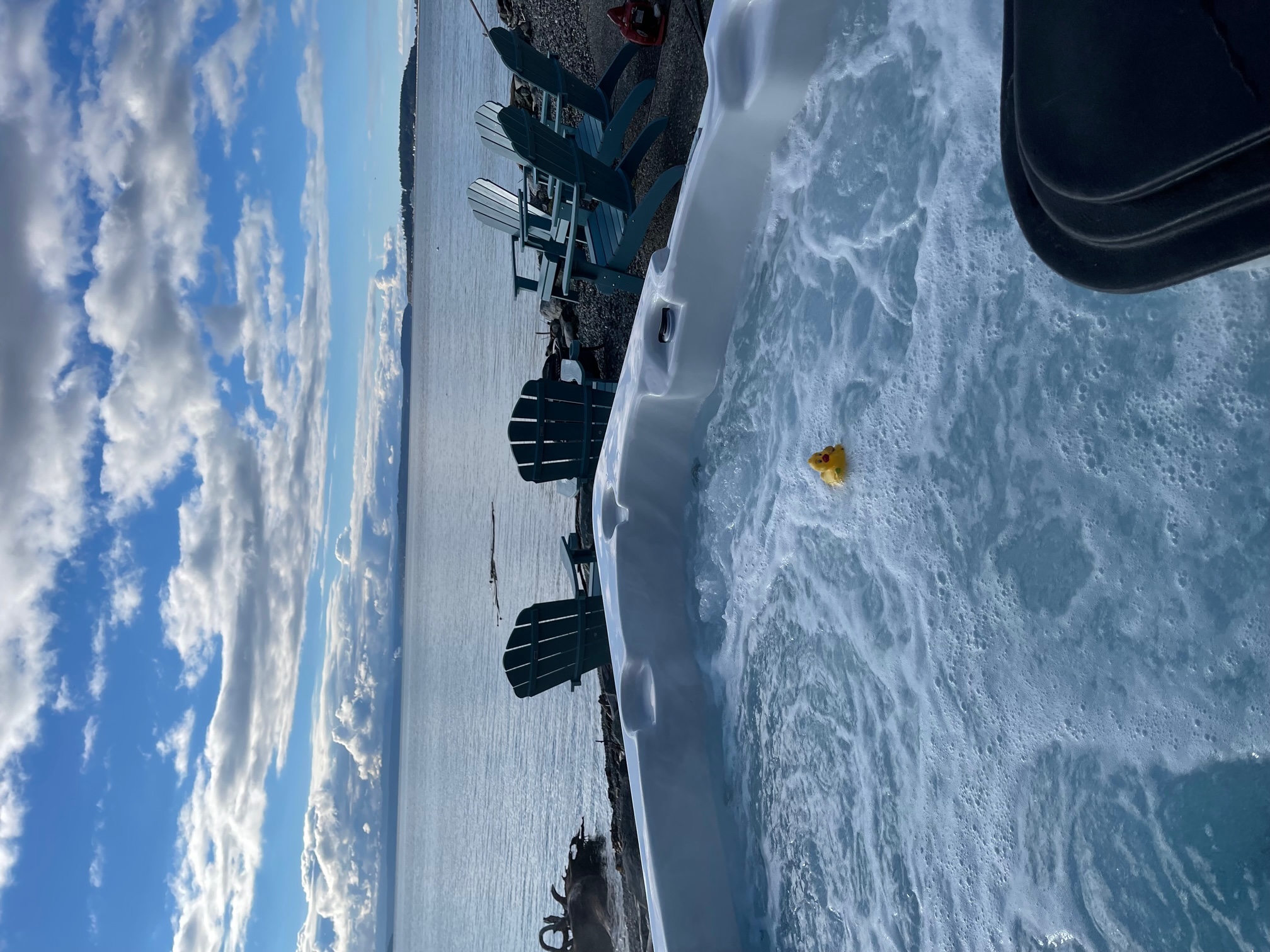
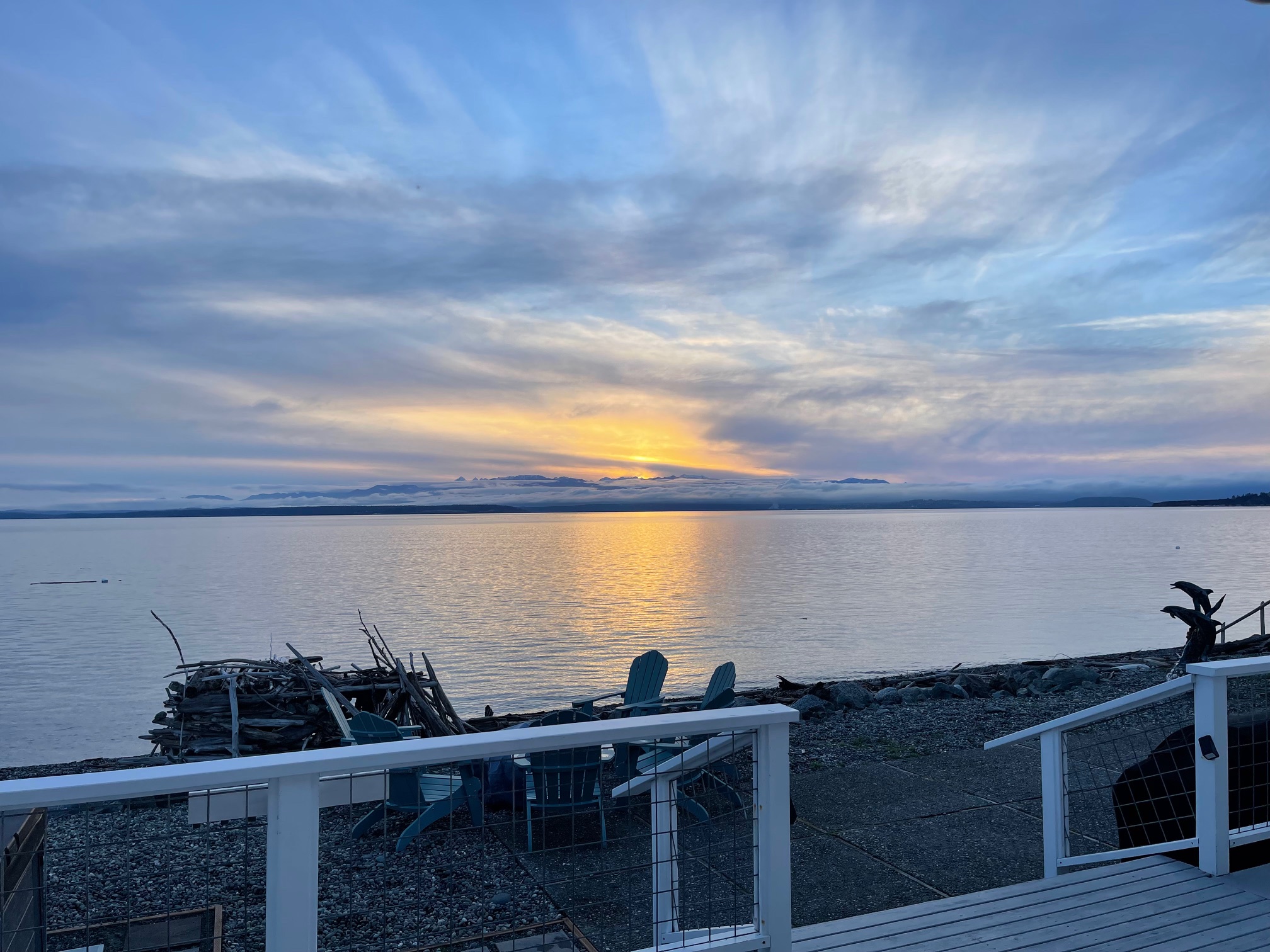
Wake up to panoramic ocean views, unwind in a private hot tub, and create memories that last a lifetime at our luxury beachfront retreat.
Birdwatching is peaceful because people respect the space. Following a few simple habits makes the experience better for you and the birds.
Birds are sensitive to sudden movement and noise. If you rush toward them, they will leave.
Stand still and let birds come into view. This works better than chasing sightings.
Using recorded bird calls might seem helpful. It actually stresses birds.
Birds may think there is danger or competition. Quiet observation is always better.
Whidbey Island has fragile habitats. Staying on trails protects nesting areas and plants.
You still get great views without disturbing wildlife.
People tend to underestimate the importance of timing. Birds follow daily routines just like we do.
Most birds become active during the time period after sunrise. Birds use this period to search for food and produce vocal sounds.
The conditions enable better visibility because light appears less intense and wind speeds remain low.
People should consider late afternoon as their second option when morning hours are unavailable. Birds start to move about again during the period that occurs before sunset.
The period provides both warm light for photography and comfortable conditions for observing others.
Birdwatchers require minimal equipment. Your experience will improve with just a few basic tools.
People should select binoculars that have a lightweight construction. People should prioritize comfort because it surpasses the importance of magnification
Users will discontinue using the device when it causes them neck pain.
Printed guides help you learn at your own pace. Apps help with quick identification.
Both options work well. Use what feels easiest.
The act of writing things down contributes to better memory retention. Birdwatching becomes more intimate through the writing process. People begin to identify patterns after they have spent sufficient time observing their environment.
Birdwatching functions as an effective activity for families to enjoy together. When activities present themselves as games, children find them more enjoyable to complete.
Do not focus on names right away. Focus on colors and movement. The process of asking questions enables students to make their own discoveries about the world. Natural curiosity develops through time.
Long outings can feel tiring. Short visits keep kids engaged.
End on a high note and come back again later.
Birdwatching on Whidbey Island never feels finished. There is always something new to see.
Birds on Whidbey Island change with the weather and the season. Even familiar spots feel different each visit.
That sense of surprise keeps people returning. And honestly, who does not love a good excuse to be outside?
Spring and fall are the most exciting seasons. You see migratory birds and local species during these months.
Summer and winter are still great. You just see different birds.
No experience is needed at all. Curiosity and patience are enough.
You learn by watching and listening. That is part of the fun.
Wetlands and shoreline areas are best for beginners. Birds are easier to see and hear there.
Parks and nature reserves also help. They offer clear paths and good visibility.
Birdwatching on Whidbey Island offers more than just birds. The experience provides two essential elements, which are peace and social interaction. Whidbey Island's proximity to beaches and forests enables its birds to thrive throughout the entire year.
The area remains active throughout all seasons, from spring to winter. The activity requires no special skills because anyone can participate. The activity requires only two things, which are your time and your desire to learn.
Your next step requires you to take binoculars and search the skies. Whidbey Island bird watching is waiting for you.Ready to experience Whidbey Island for yourself? Book your stay with Beach Dreams on Whidbey and wake up to unforgettable coastal views.

Whidbey Island for Remote Workers: How to Plan a Productive Coastal Stay
Seattle to Whidbey Island: How to Plan an Easy Coastal Escape

Common Vacation Rental Booking Mistakes and How to Avoid Them

How to Choose the Best Beachfront Rental for Your Travel Style

What Makes a Beachfront Vacation Feel More Relaxing Than a City Break?
Planning a Birthday Getaway on Whidbey Island











.png)


.png)


.png)


.png)


.png)


.png)


