
Email: [email protected]
Email: [email protected]
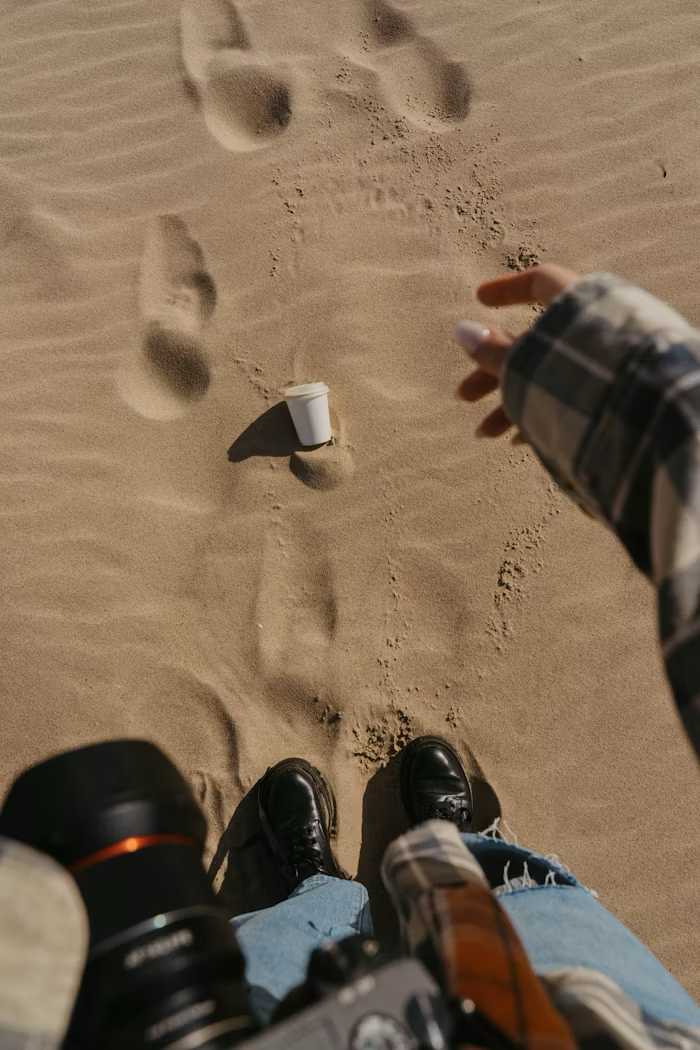
If you enjoy cameras and quiet places, Whidbey Island feels like a cheat code. You get coastlines and forests, cliffs and farms, all within a short drive. Light changes quickly here, and that means fresh photos every hour. This guide focuses on Whidbey Island photography spots and how to capture them without stress.
You do not need fancy gear. A phone and a DSLR both work fine. What matters is timing and position. Ready to chase some light and maybe a coffee after?
The bridge area is the island’s most photographed location. And honestly, it deserves the hype. Strong currents and high cliffs create texture and movement. Try sunrise if you want soft colors and fewer people. Sunset works too, but expect company.
Stand above the water for scale shots. The path needs to be traveled to capture moving images of waves crashing onto rocks. The use of a tripod is necessary to achieve smooth water effects. The wind strength requires you to use camera stabilization methods.
Photographers should begin their work by capturing wide shots before they proceed to take close-up shots. The area provides photographers with two options, which include capturing vast landscapes and photographing small details such as moss and tide pools.
Here, you get rolling farmland and ocean in one frame. That is rare and very photogenic. Walk the bluff trail during golden hour. The light hits the grass and turns it warm.
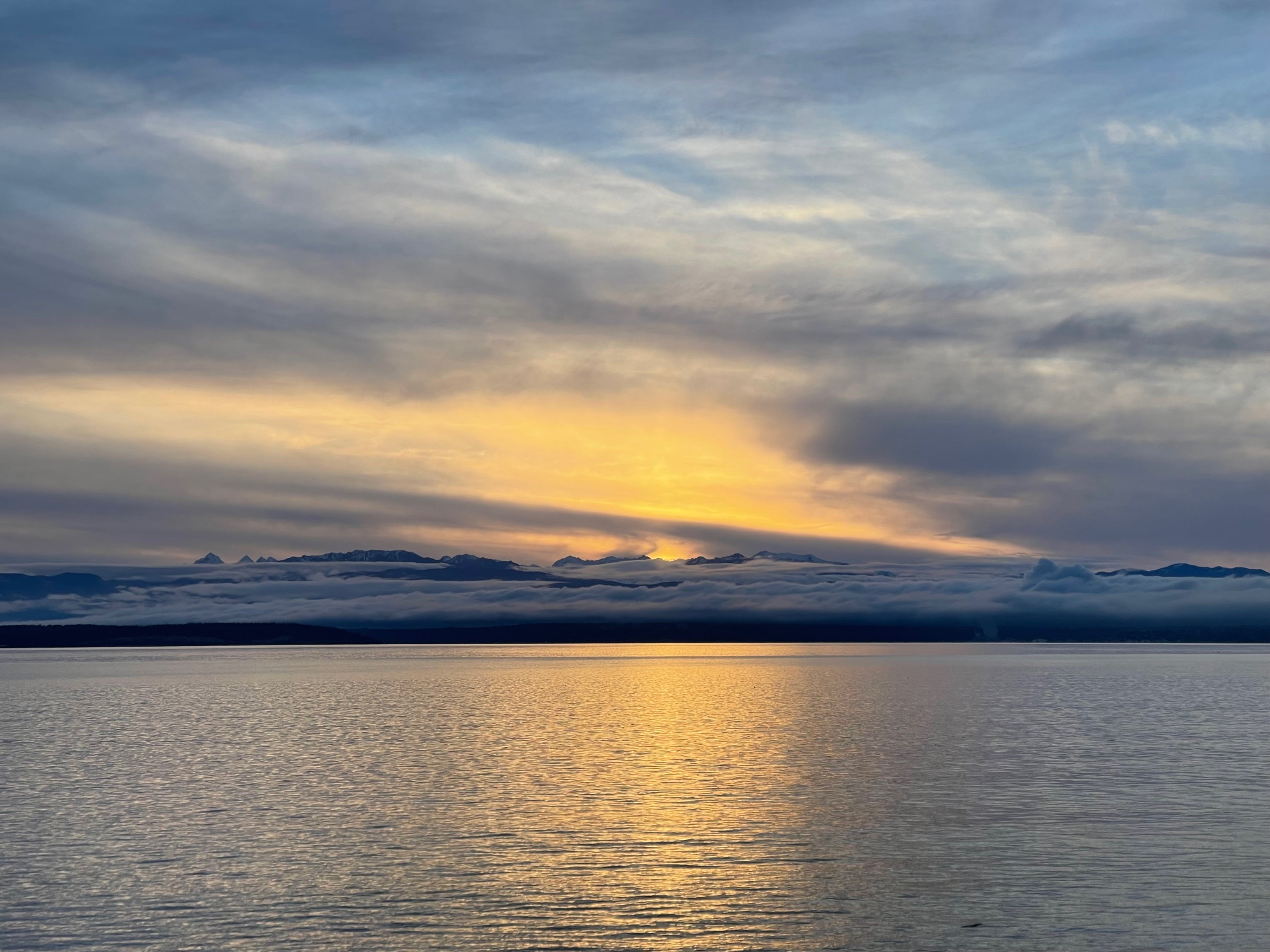
Clouds make the photos better. Flat blue sky looks boring here. Wait for the texture in the sky and then shoot toward the horizon.
Use the trail as a leading line. Place a person far away to show scale.
Some of the best photos happen where fewer people go. Pebble beaches and driftwood piles create natural foregrounds. Look for curved shorelines. They guide the eye through your image.
Low tide reveals patterns in sand and shells. High tide works better for wave action. So you can shoot the same beach twice and get two totally different results.
This location mixes art and nature. Trees act like frames around the sculptures. Morning light filters through branches and gives soft shadows.
Do not only shoot the sculptures. Step back and include pathways and trees. The contrast tells a stronger story.
Use portrait orientation here. Vertical lines from trees look cleaner that way.
Tall trees and quiet trails make this place great for moody photos. Overcast weather is perfect. It removes harsh shadows and keeps colors deep.
Look down as much as you look up. Ferns and roots make strong foreground subjects. Add a person walking for storytelling shots.
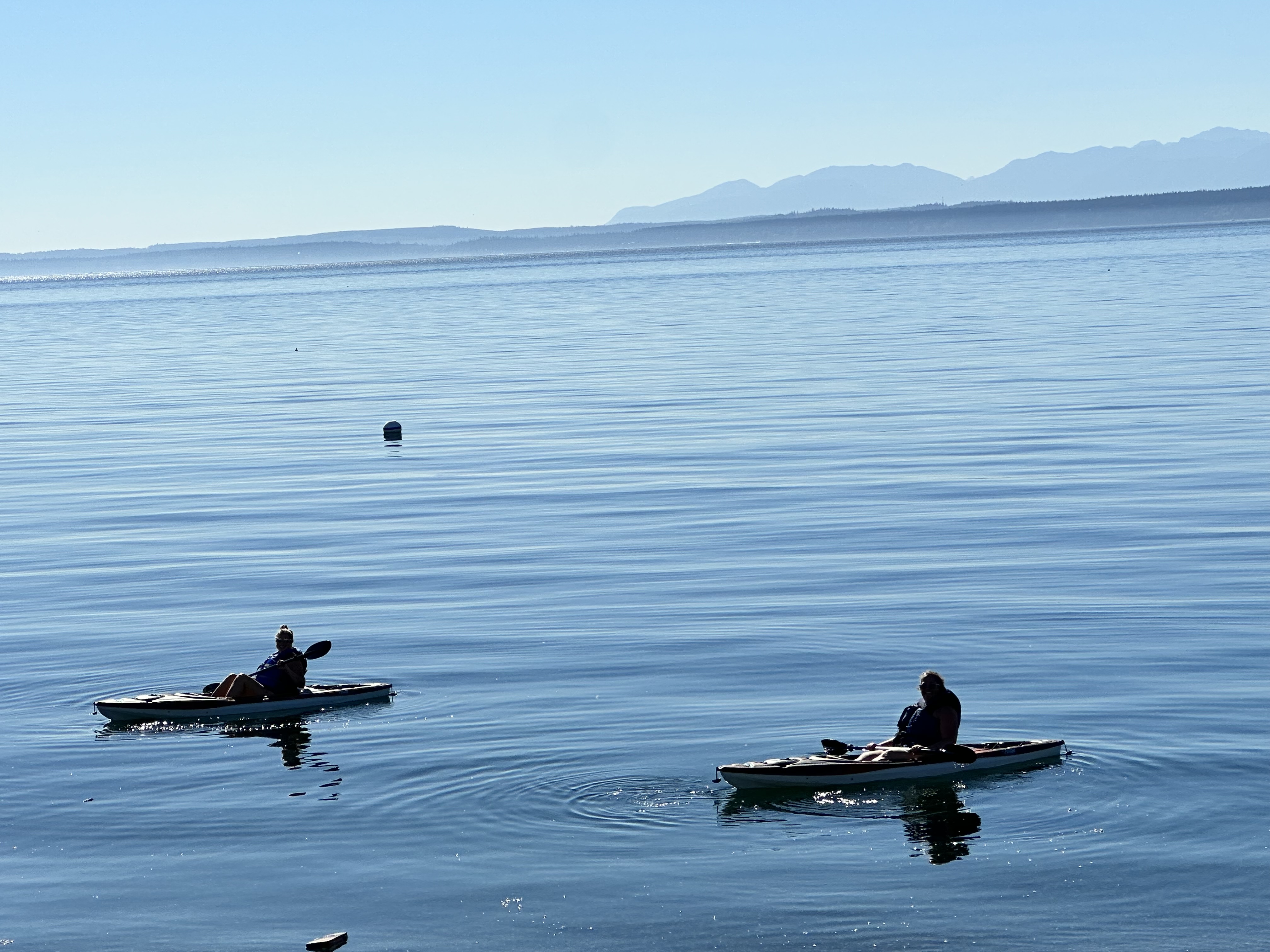
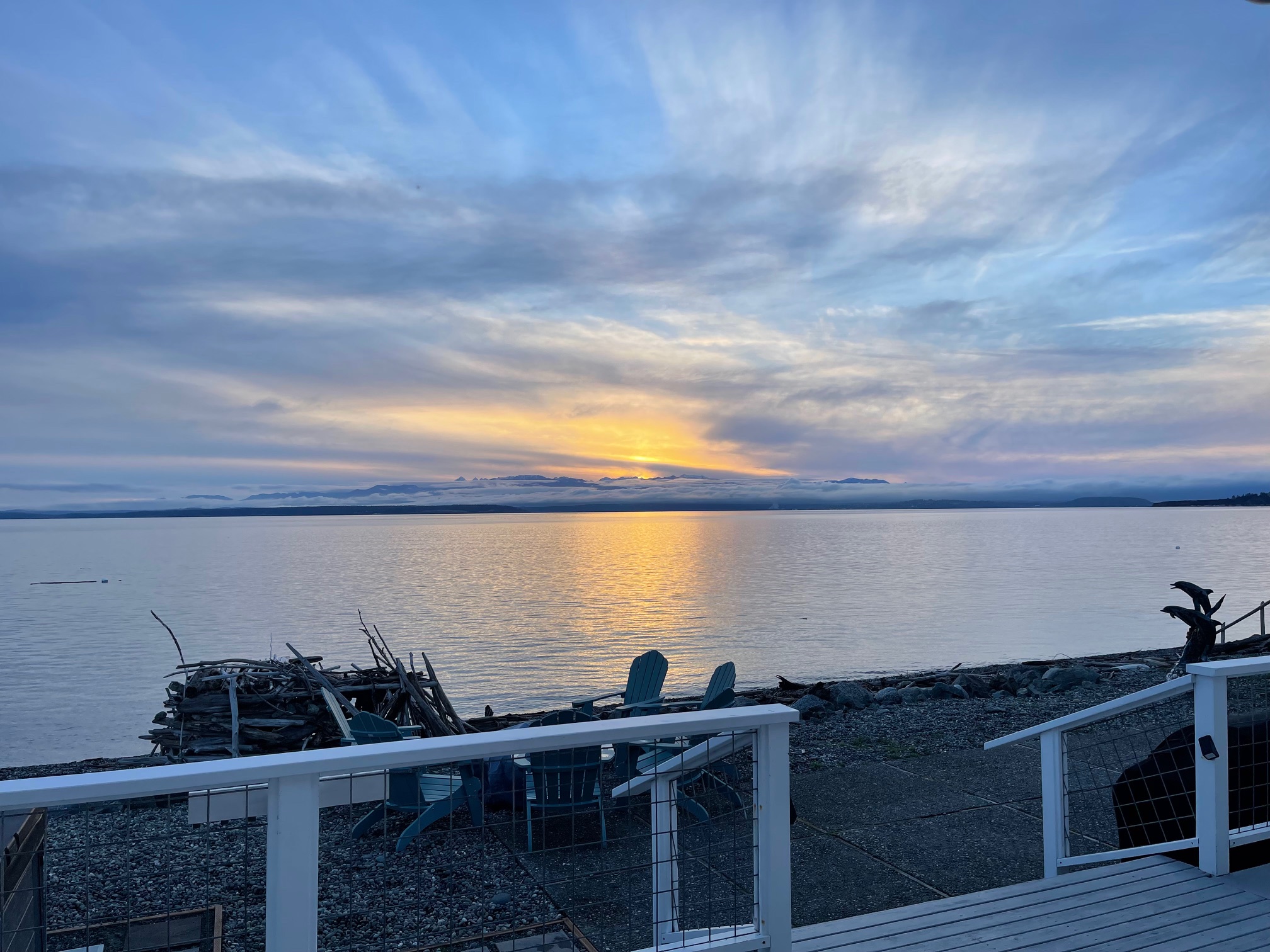
This beach is wide and open. That means big skies and reflections. After rain, sand becomes a mirror. Sunset reflections here are very reliable.
Bring a longer lens too. Birds often land far from shore. Silhouettes work well during sunset.
Colorful buildings and calm water make easy compositions. Early morning gives glassy reflections. Midday works for street photography and textures.
Try shooting from the pier. It aligns buildings into a clean row.
This area is quieter and more intimate. Boats and benches give simple subjects. Fog mornings are gold here. They simplify the background and make subjects pop.
Wait for people interacting with the environment. A person feeding birds adds life instantly.
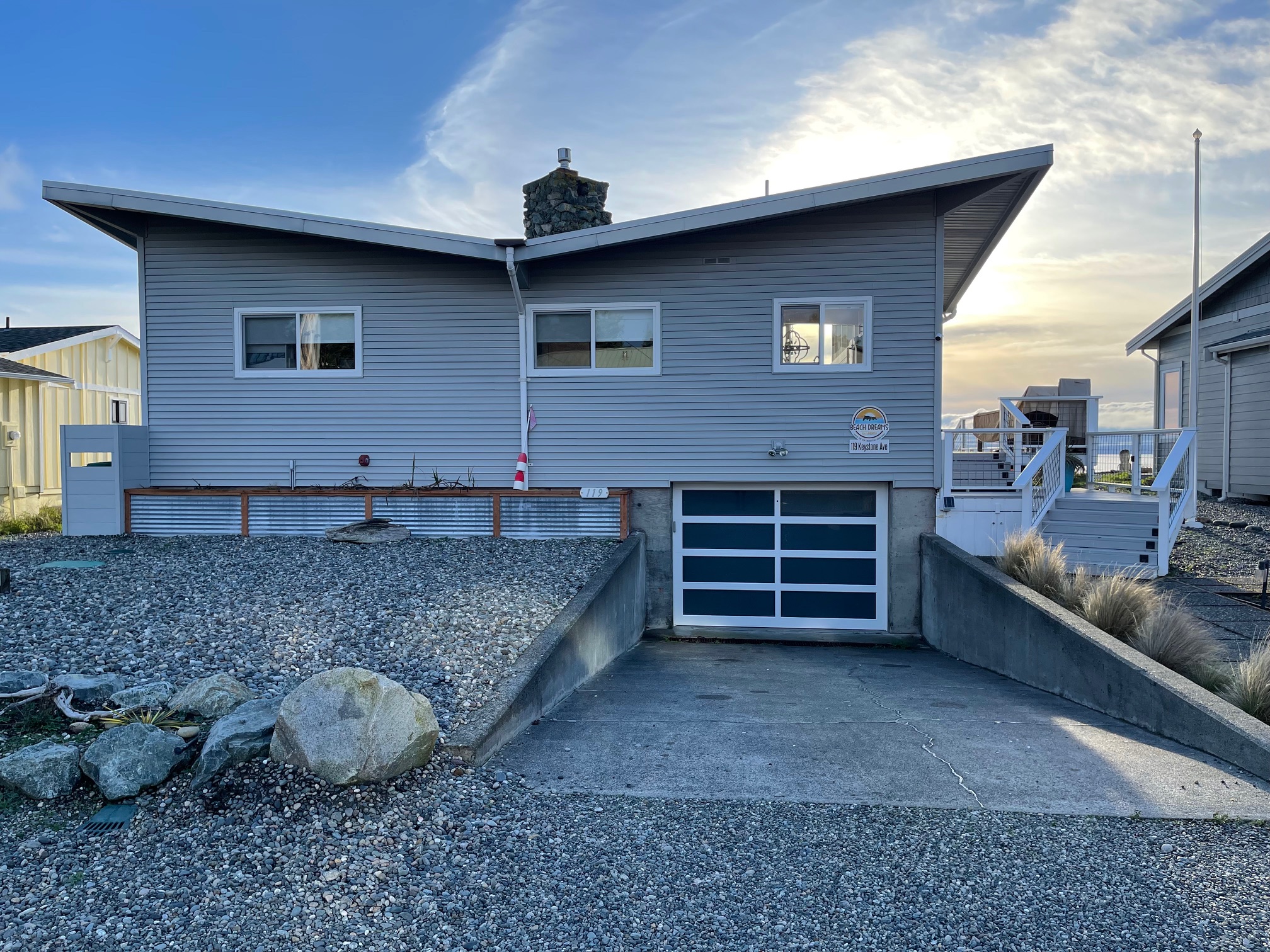
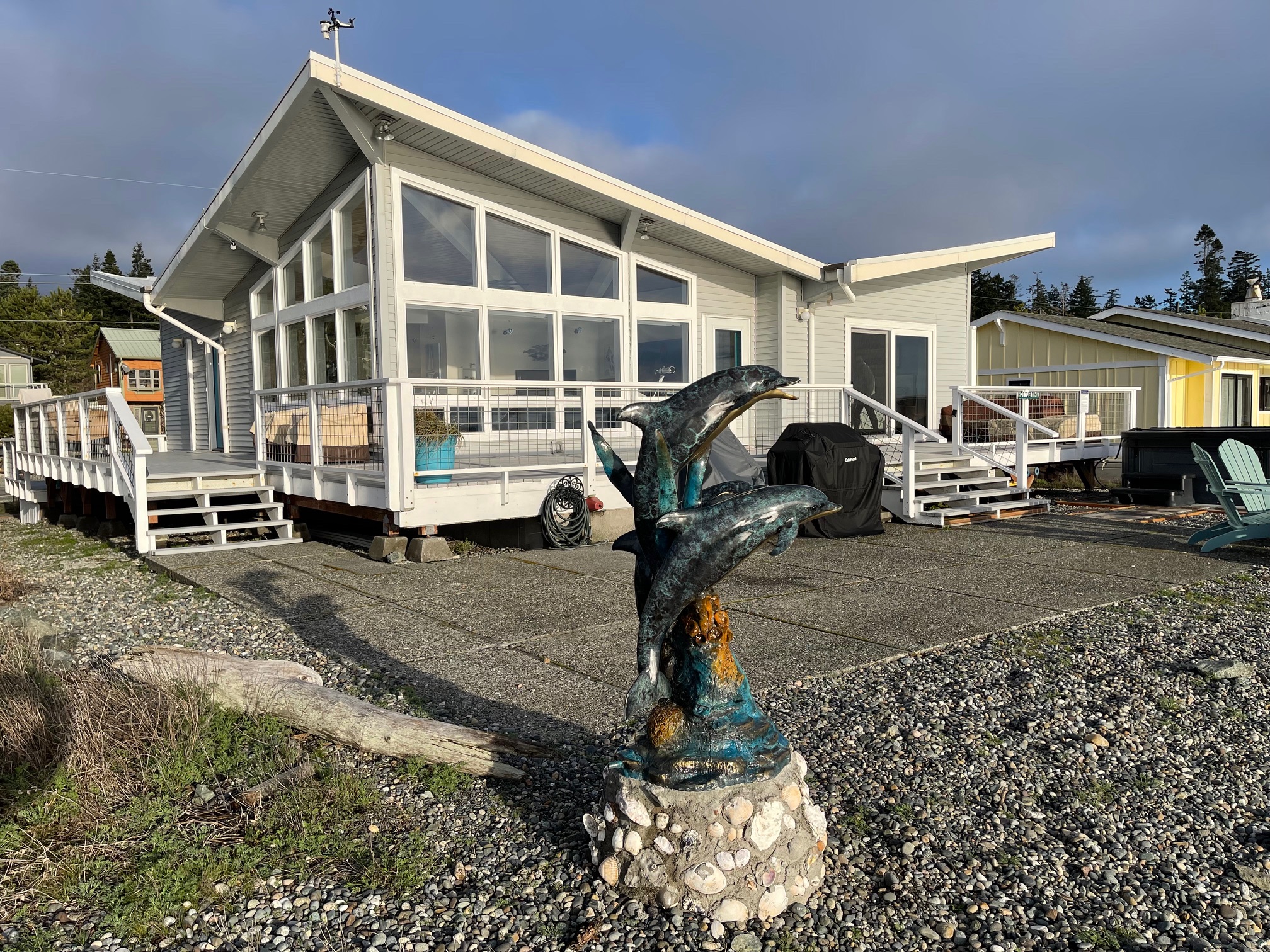
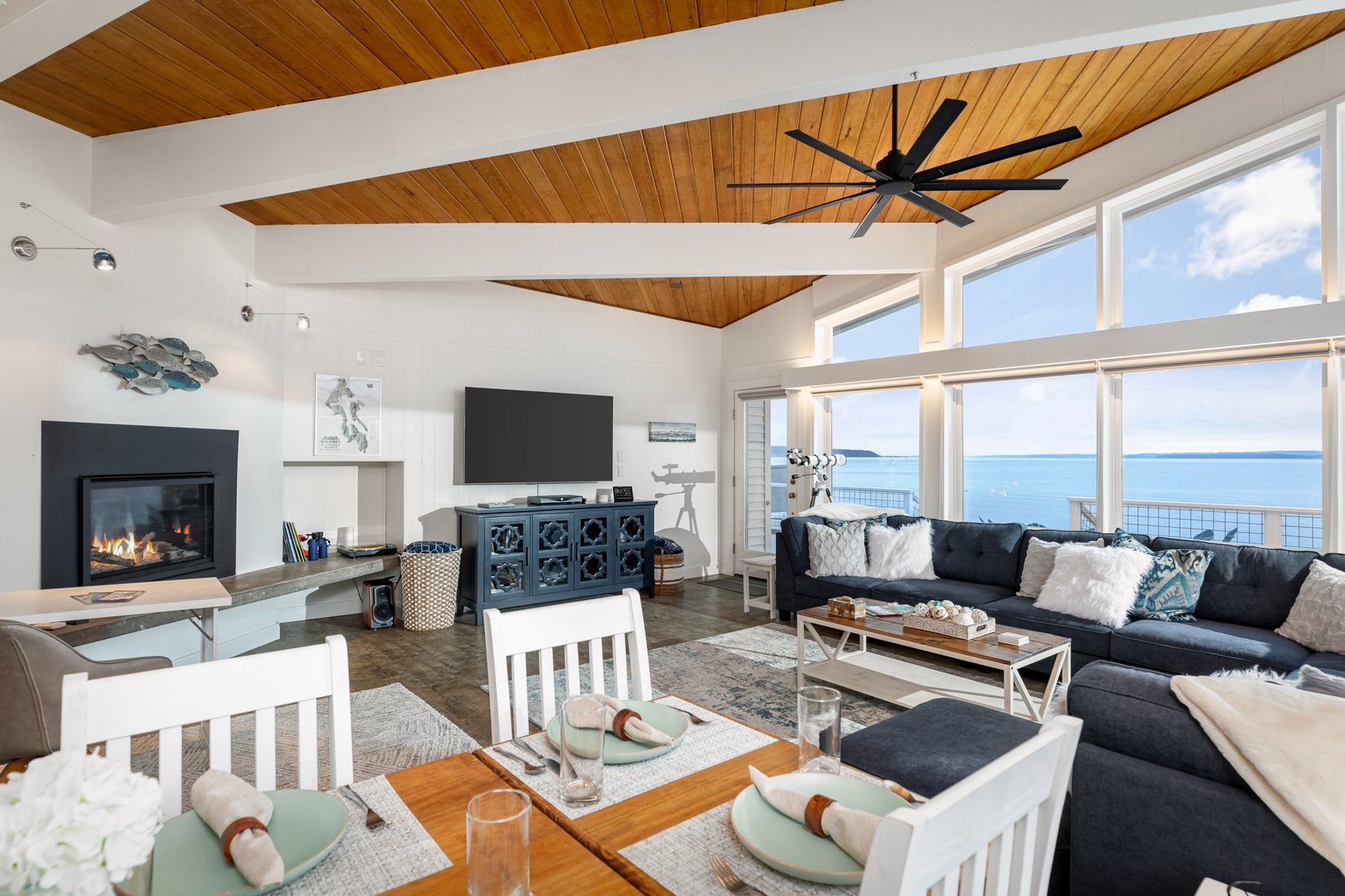
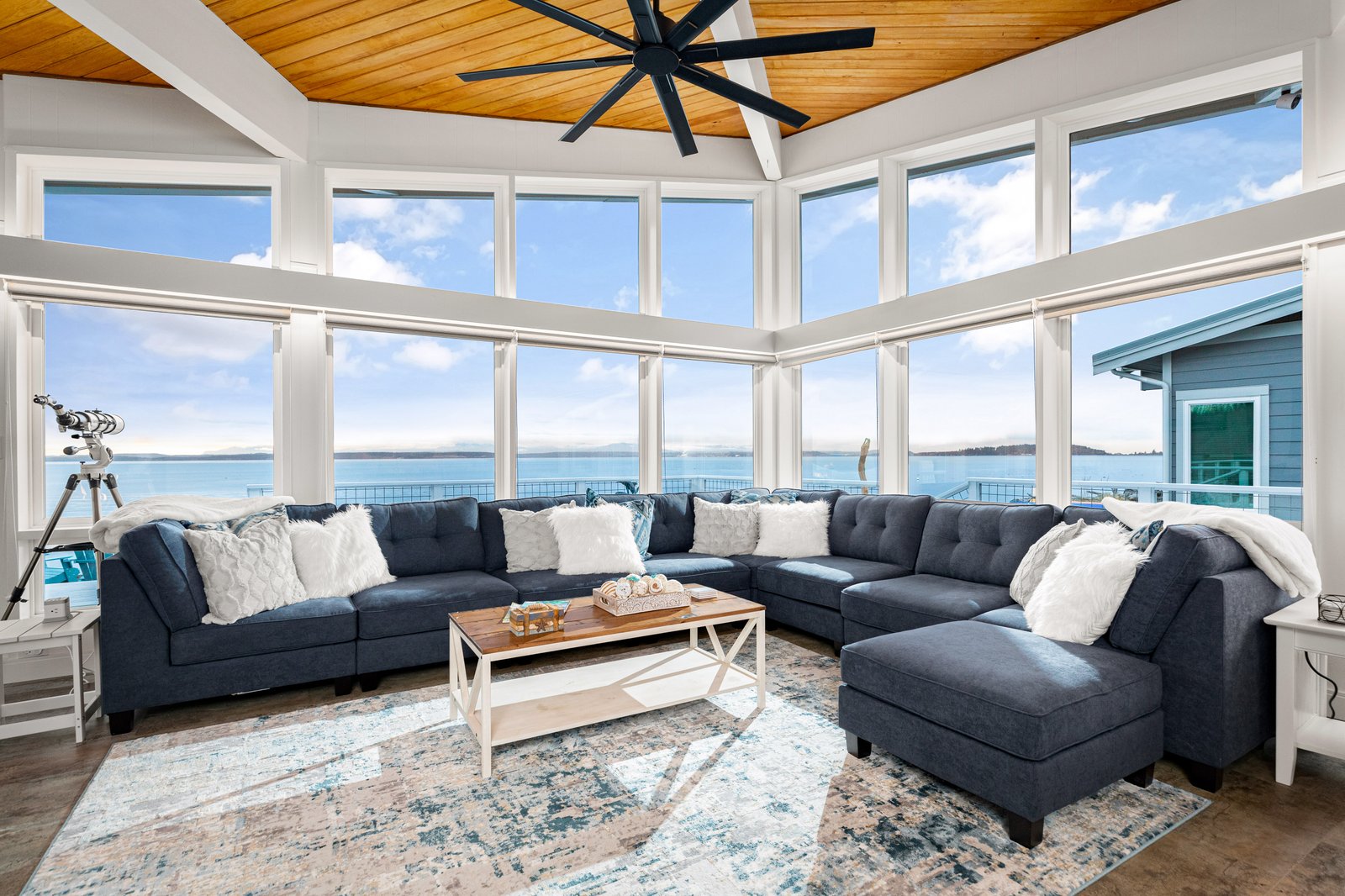
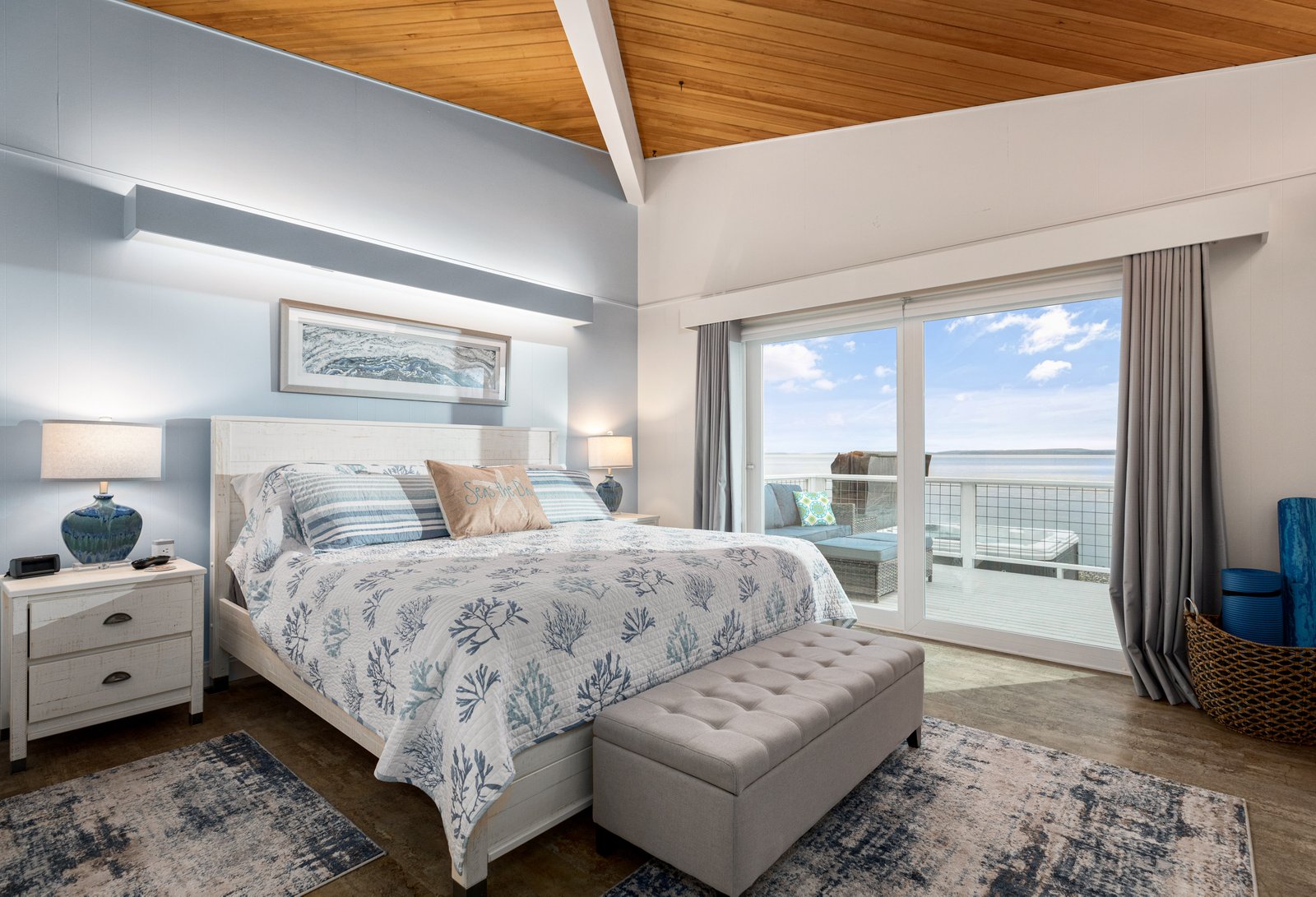
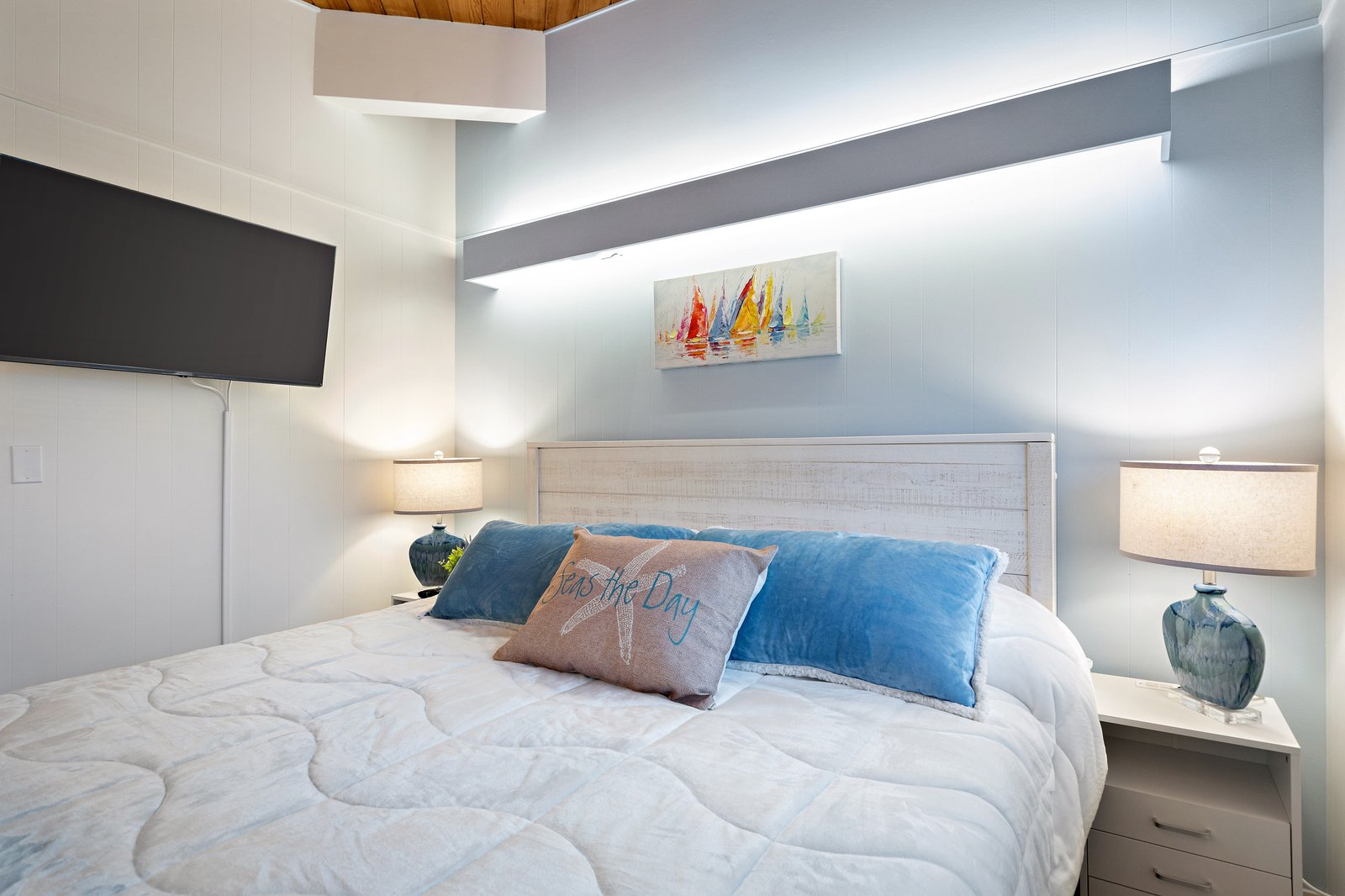
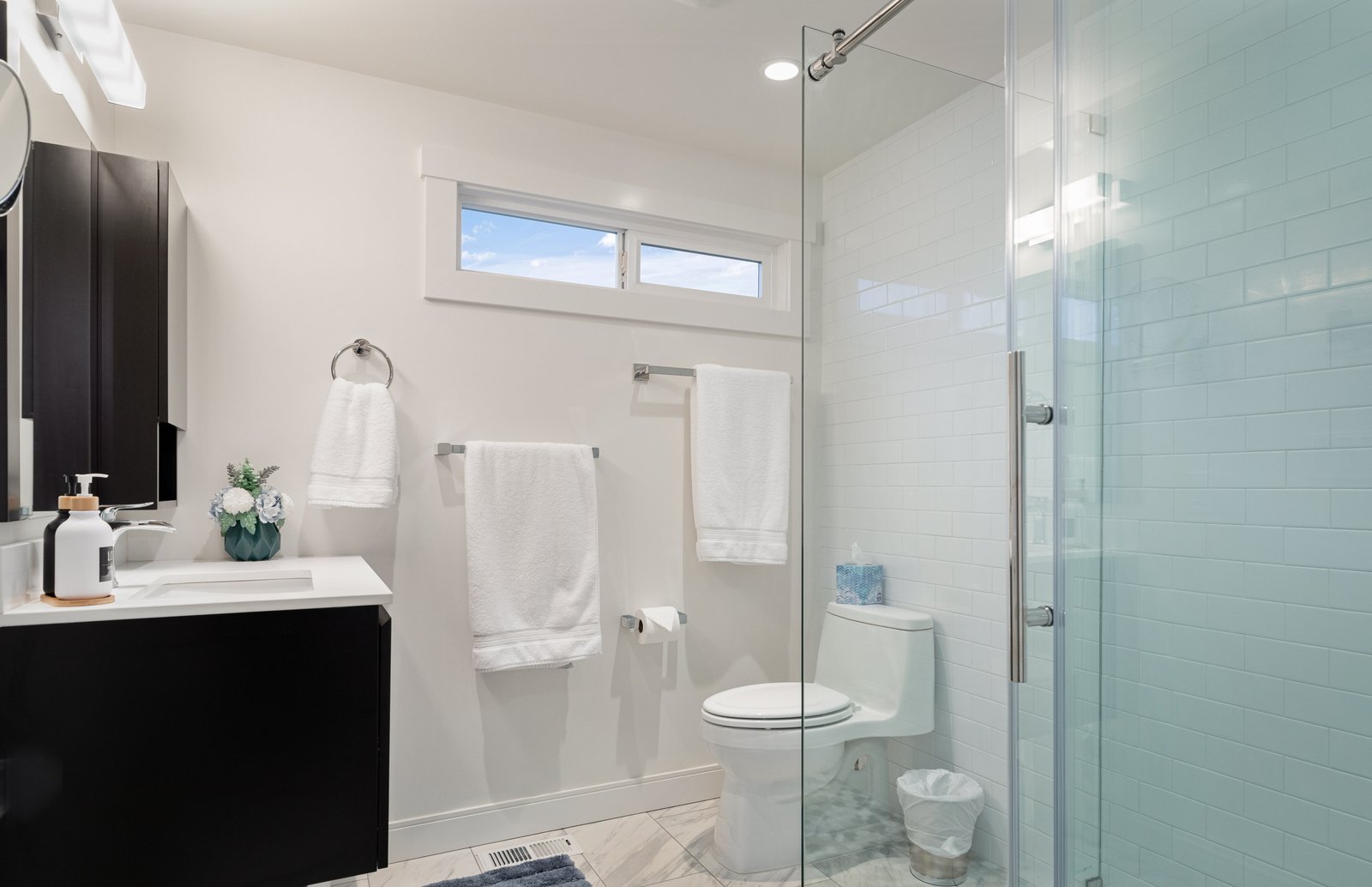
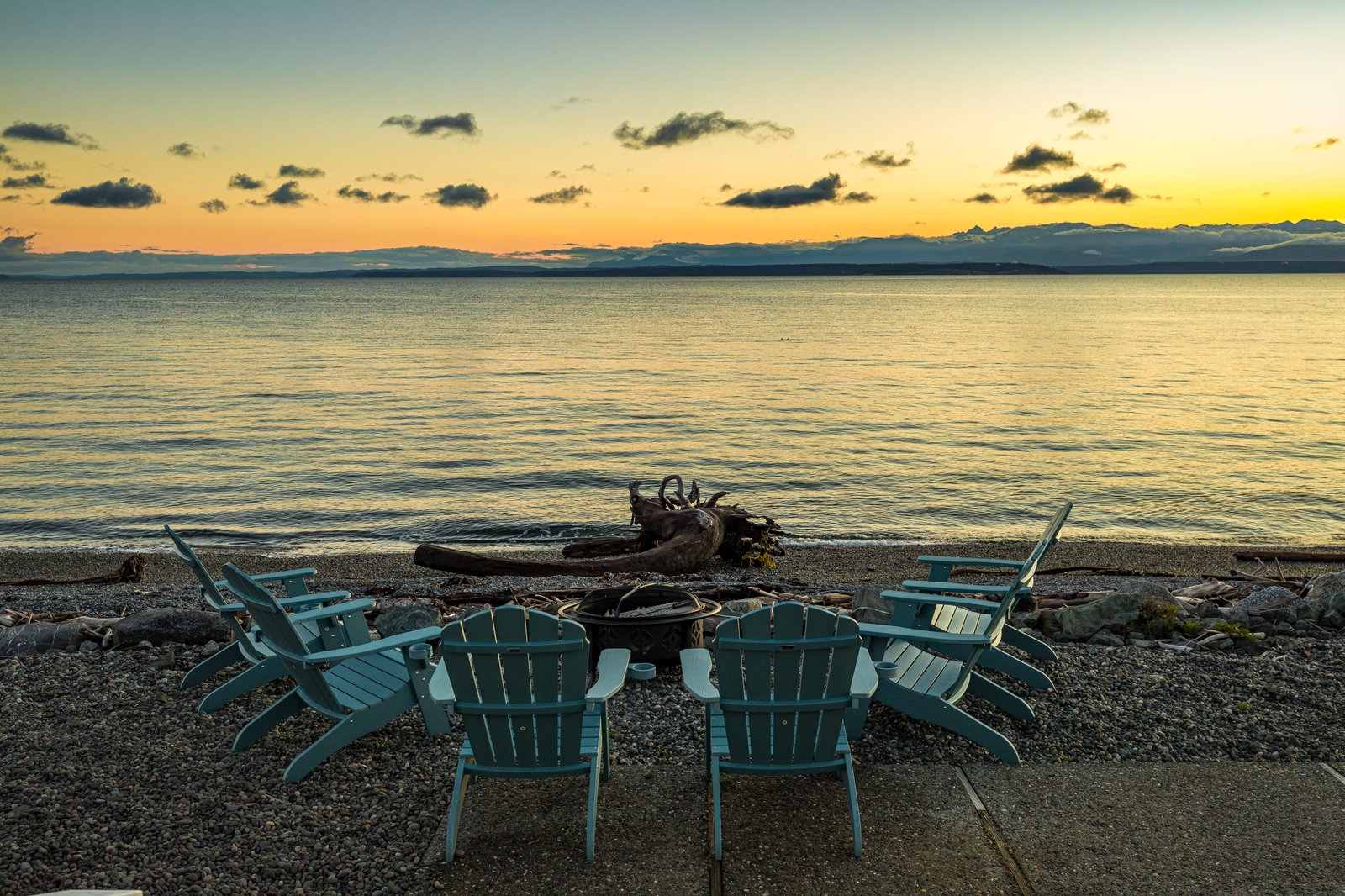
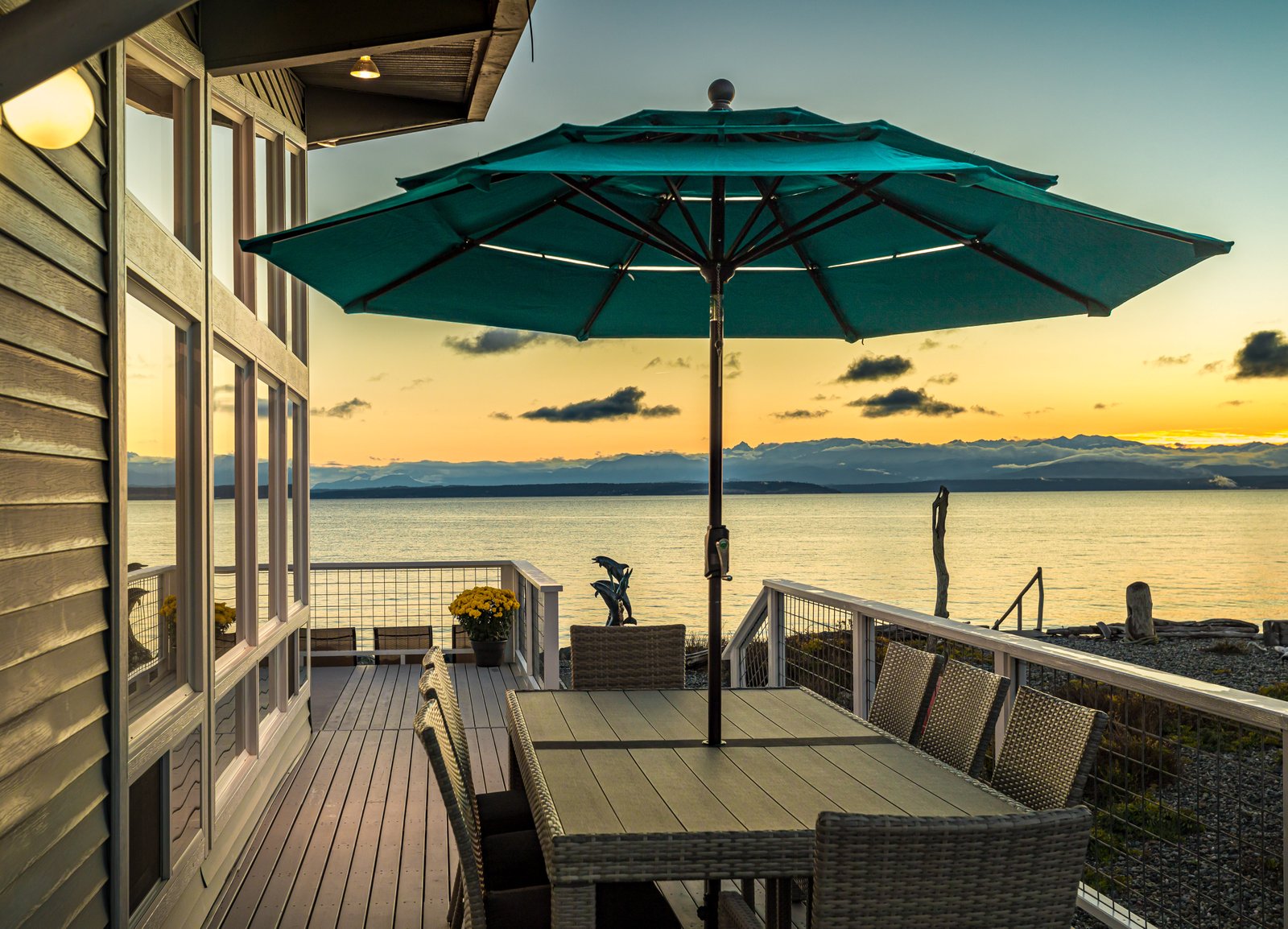
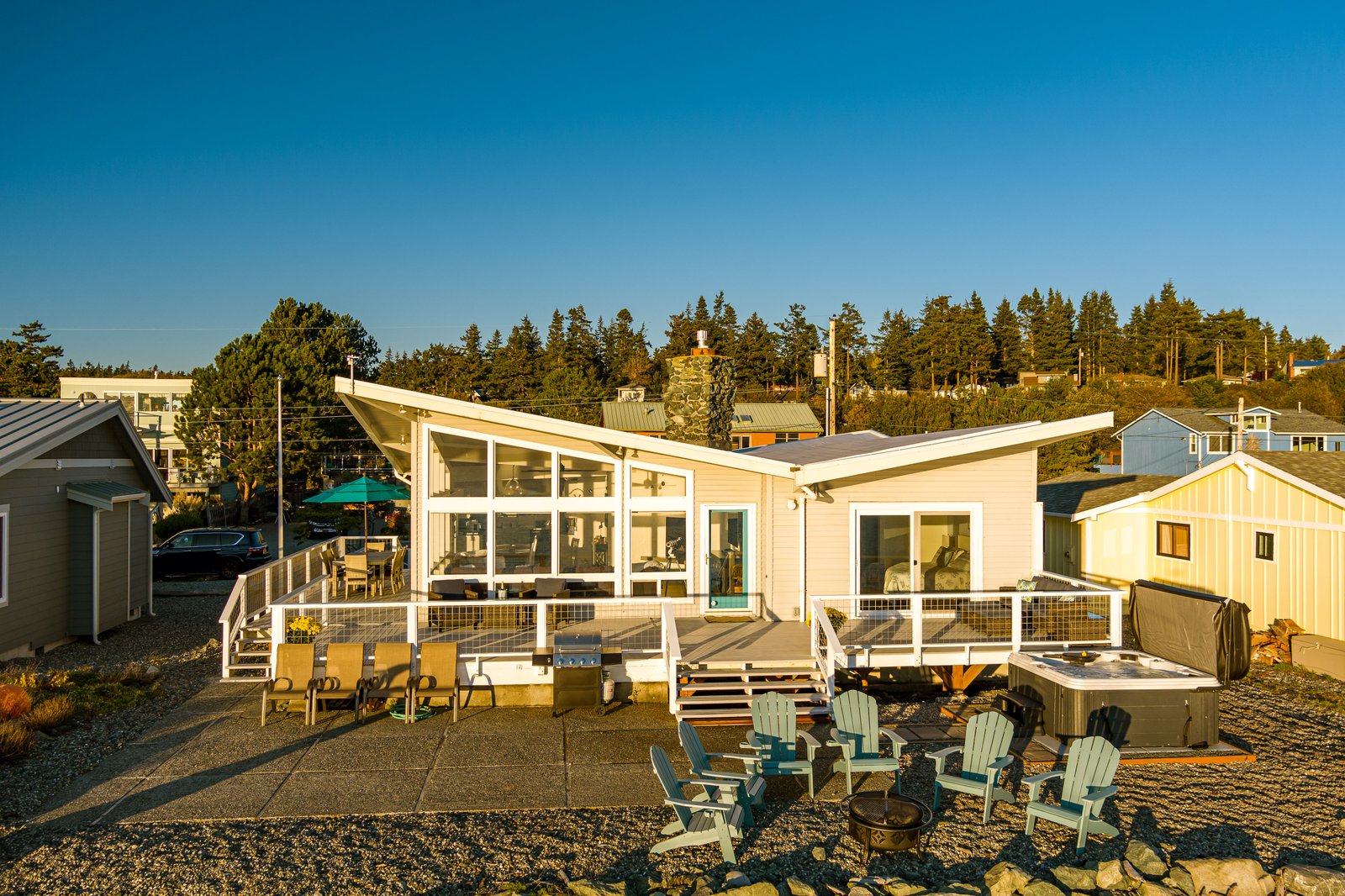
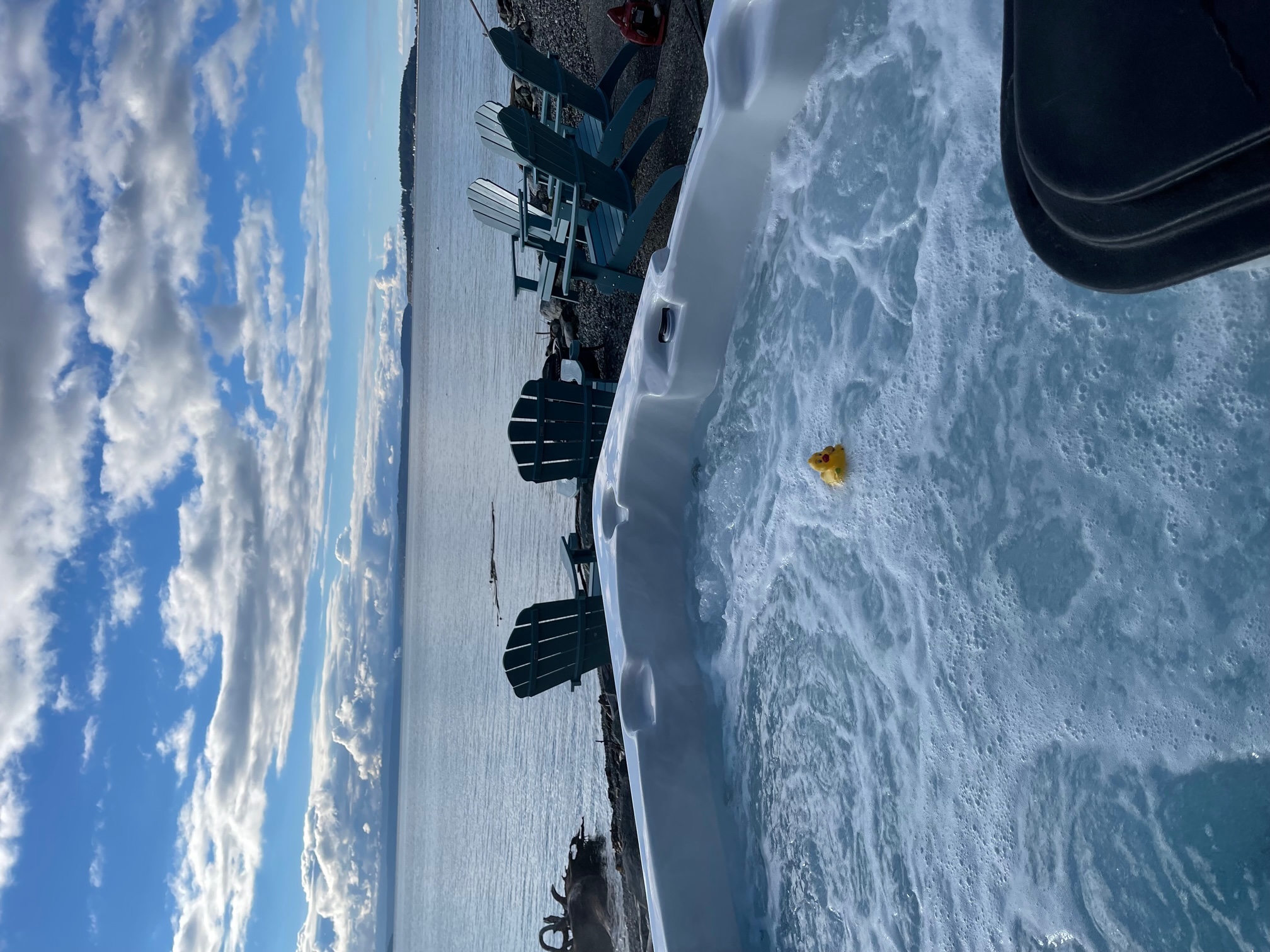
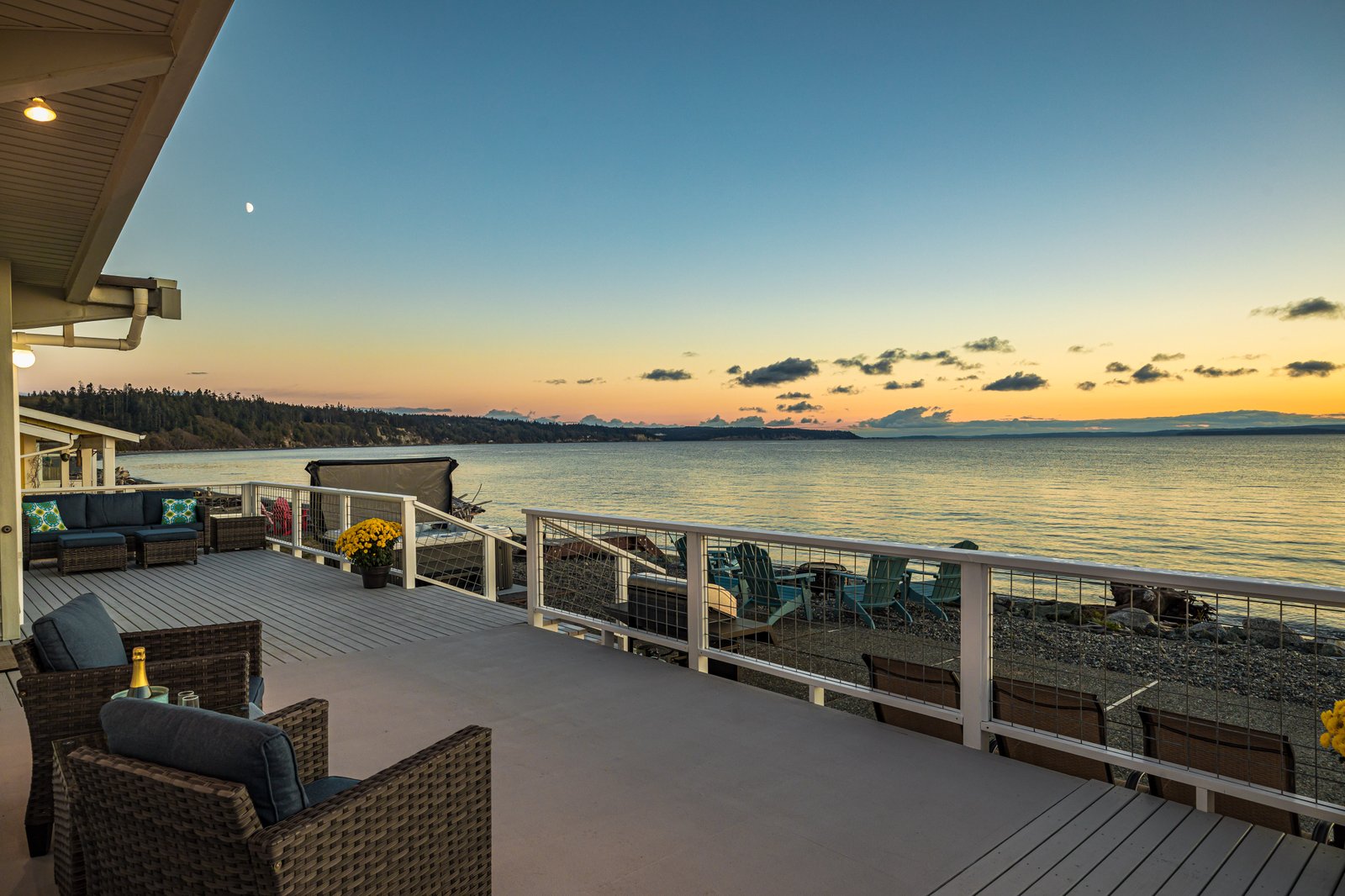
Wake up to panoramic ocean views, unwind in a private hot tub, and create memories that last a lifetime at our luxury beachfront retreat.
The spring season on Whidbey Island provides photographers with its most flexible photographic conditions. The sun hangs lower throughout the day during winter months, which results in softer shadow effects and diminished big light differences. The hills start to regain their green color, wildflowers bloom beside the trails, and atmospheric moisture creates a gentle shine throughout the surroundings.
The technique enables photographers to capture shots without losing detail. The technique enables photographers to create visual narratives through their photographic work. The active movement of farms, fences, and pathways after winter creates visually complex compositions that show multiple artistic elements.
The summer season offers photographers the longest duration for outdoor shooting activities. Photographers receive more daylight hours because the sun rises earlier and sets later. The combination of bright sunlight and high sun position makes midday lighting extremely intense, which drives photographers to choose between coastal cliffs and shaded forests as their preferred shooting locations.
The autumn season delivers its most intense atmospheric conditions. The arrival of storm systems causes clouds to develop additional depth, which results in more vibrant sunset displays. The season attracts photographers who prefer to capture atmospheric conditions through images that display human emotions.
Whidbey Island winter photography presents photographers with a dual experience of peacefulness and intense visual drama. The absence of tourists enables photographers to create pure compositions that avoid all forms of visual disturbance. Fog regularly forms over beaches and woodland areas, which creates natural visual clarity that helps photographers to focus on their main subjects.
You do not need much equipment. Still, a few basics help.
• Wide lens for landscapes
• Mid zoom for versatility
• Tripod for low light
• Lens cloth for sea spray
Keep ISO low for quality. Use a faster shutter speed near water. Slow shutter works best when the waves are gentle.
Group locations by region to save time. North for cliffs, central for farms, south for forests. That way, you spend more time shooting and less time driving.
Bring snacks and warm layers. The weather changes quickly. Also, protect gear from salt air.
Golden hour, after sunrise and before sunset, gives the best light. Overcast days also work great for forest photography.
No. A phone camera works well if you focus on light and composition.
Most are open all year, but the weather can affect trail conditions in winter.
Photographing Whidbey Island feels relaxed and rewarding. You never run out of compositions. From cliffs to forests, each turn offers something new. Focus on light first and location second. That mindset improves results fast.
Whether you chase sunrise or sunset, the island rewards patience. Visit multiple times because conditions never repeat. These Whidbey Island photography spots will look different every visit. That is the real magic of scenic views, which is why Whidbey Island photographers keep returning for.
Looking for more local favorites? Explore our Whidbey Island travel guides and plan a stay that fits your style.

Whidbey Island for Remote Workers: How to Plan a Productive Coastal Stay

Seattle to Whidbey Island: How to Plan an Easy Coastal Escape
Common Vacation Rental Booking Mistakes and How to Avoid Them
How to Choose the Best Beachfront Rental for Your Travel Style
What Makes a Beachfront Vacation Feel More Relaxing Than a City Break?
Planning a Birthday Getaway on Whidbey Island





.png)


.png)


.png)


.png)


.png)


.png)


